
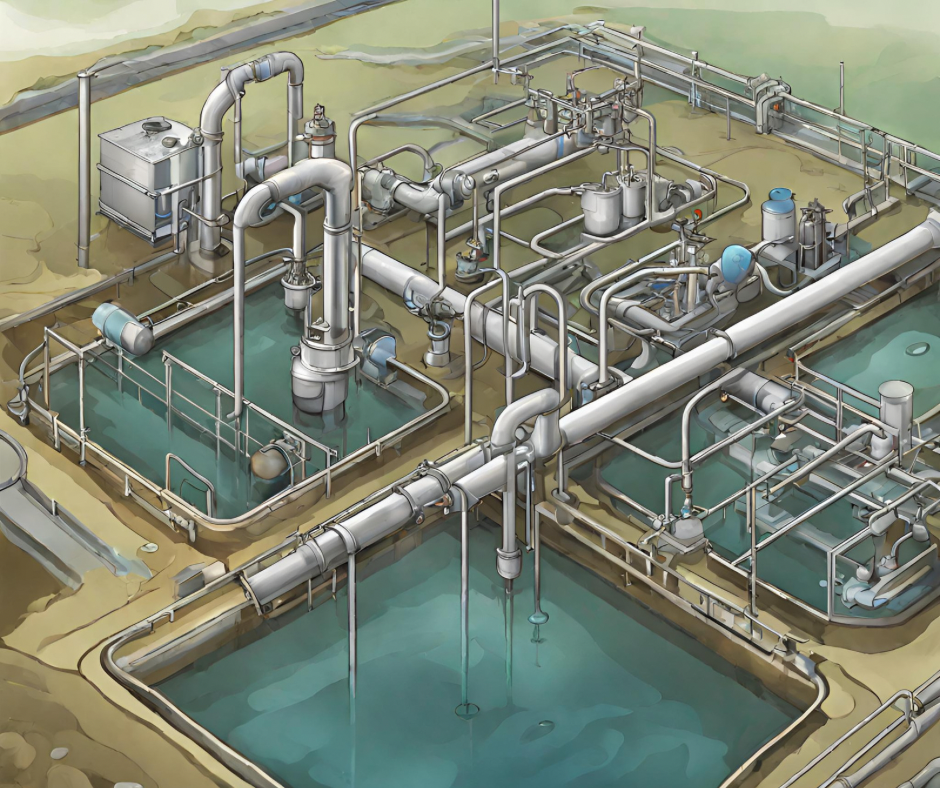

In the quest for more sustainable wastewater treatment methods, a breakthrough has emerged with the introduction of biochar prepared at 300°C (BC300). This study delves into the remarkable enhancements BC300 brings to sulfur-driven autotrophic denitrification (SAD), a process crucial for treating low carbon/nitrogen wastewater.
The addition of BC300 proves to be a game-changer, boosting nitrogen removal efficiency by an impressive 31.60%. Beyond its efficiency, BC300 demonstrates a multifaceted approach in improving electron production and transfer capacity, elevating the activities of electron transfer systems, and enhancing the abundance of key microbial players, Thiobacillus and Sulfurimonas.
Crucially, BC300 triggers a 2.00±0.11 times increase in the NADH/NAD+ ratio, resulting in the upregulation of NAD(P)H dehydrogenase genes. The study also sheds light on the profound impact of BC300 on the electron transfer system, illustrating improved electroactivity and increased activity of denitrification enzymes.
What sets BC300 apart is its activation of the Clp and quorum sensing systems, influencing gene expressions and microbial communication. The study identifies biochar parameters like O%, H%, molar O/C, and aromaticity index as vital contributors to nitrogen removal efficacy in the SAD process.
In conclusion, this research not only validates the practicality of BC300 in SAD but also deepens our understanding of the underlying mechanisms, paving the way for eco-friendly, cost-effective, and highly efficient wastewater treatment solutions.



![Eucalyptus Wood Waste-Derived Biochar Achieves a Ninety-Eight Percent Removal Efficiency for Benzo[ghi]perylene in Vehicle-Wash Wastewater](https://biochartoday.com/wp-content/uploads/2026/10/SCIENCE-BLOGS-2026-2026-10-19T160523.703.jpg)

Leave a Reply