


A novel IRS algorithm for micro-CT image segmentation has been developed, outperforming K-means in the segmentation of micro-CT images. The adsorption behavior of Cu(II) on biochar was 3D in-situ visually characterized, and results were consistent with laboratory physicochemical analysis, demonstrating rapid surface adsorption and slow intraparticle diffusion.
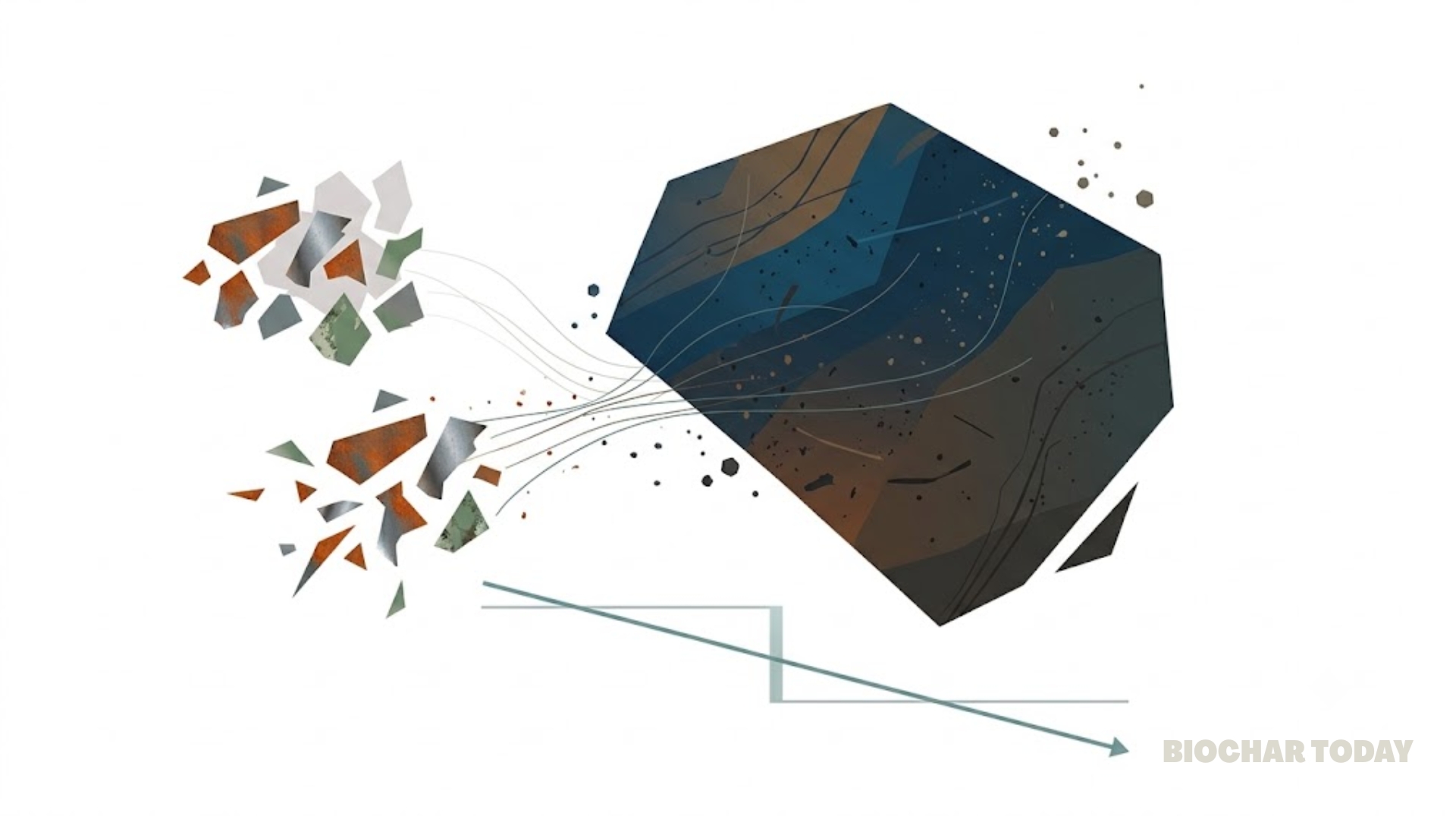
The non-homogeneous structure and high-density ashAsh is the non-combustible inorganic residue that remains after organic matter, like wood or biomass, is completely burned. It consists mainly of minerals and is different from biochar, which is produced through incomplete combustion. Ash Ash is the residue that remains after the complete More composition of biochar matrix pose challenges in characterizing the dynamic changes of heavy metal adsorption onto biochar with micro-computed tomography (Micro-CT). The developed in-situ registration subtraction image segmentation method (IRS) enhances micro-CT characterization accuracy. The kinetics of Cu(II) adsorption onto pellet biochar derived from corn stalks were tested using IRS and traditional K-means algorithms for image segmentation. The IRS algorithm reduced interference from high-density biochar composition, achieving more precise results (R2 = 0.95) than K-means (R2 = 0.72). Visualized dynamic migration of Cu(II) reflected the complex mechanism of heavy metal adsorption.
With increased focus on sustainable development, heavy metal pollution, particularly copper, poses threats to human health. Biochar, rich in carbon, shows potential as an adsorbent for removing pollutants from water. Micro-CT, a non-invasive, high-resolution, three-dimensional technique, offers insights into heavy metal adsorption on biochar. Challenges include the non-homogeneity of biochar, requiring advanced image segmentation techniques like IRS.
This research signifies a significant stride in studying biochar’s heavy metal adsorption, providing a non-invasive and high-resolution approach through Micro-CT with the innovative IRS algorithm. The implications extend to better understanding environmental challenges and advancing sustainable solutions in the treatment of heavy metal pollution.




Leave a Reply