
Key Takeaways
- Mixing wood sawdust with waste plastic creates a powerful filter material that removes toxic copper from water.
- The whole lab testing program costs under one hundred095 dollars, making it significantly cheaper than using commercial alternatives.
- Using this custom biocharBiochar is a carbon-rich material created from biomass decomposition in low-oxygen conditions. It has important applications in environmental remediation, soil improvement, agriculture, carbon sequestration, energy storage, and sustainable materials, promoting efficiency and reducing waste in various contexts while addressing climate change challenges. More cuts experimental testing costs by nearly thirty-eight percent compared to standard activated carbons.
- Electricity accounts for over fifty-eight percent of greenhouse gas emissions during lab testing, while raw material impact remains minimal.
- The material can be cleaned and reused multiple times, saving money and reducing waste over its operational life.
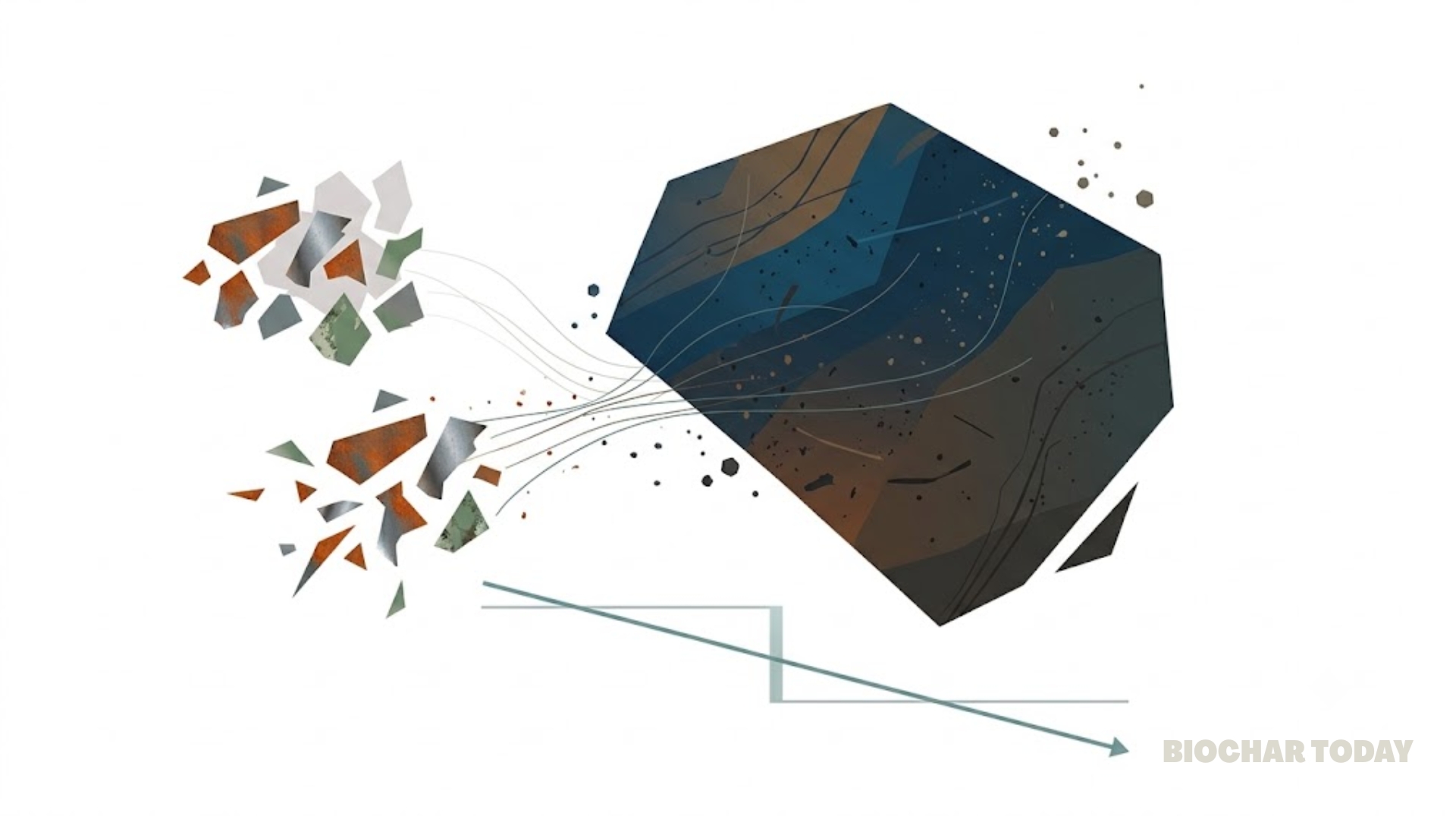
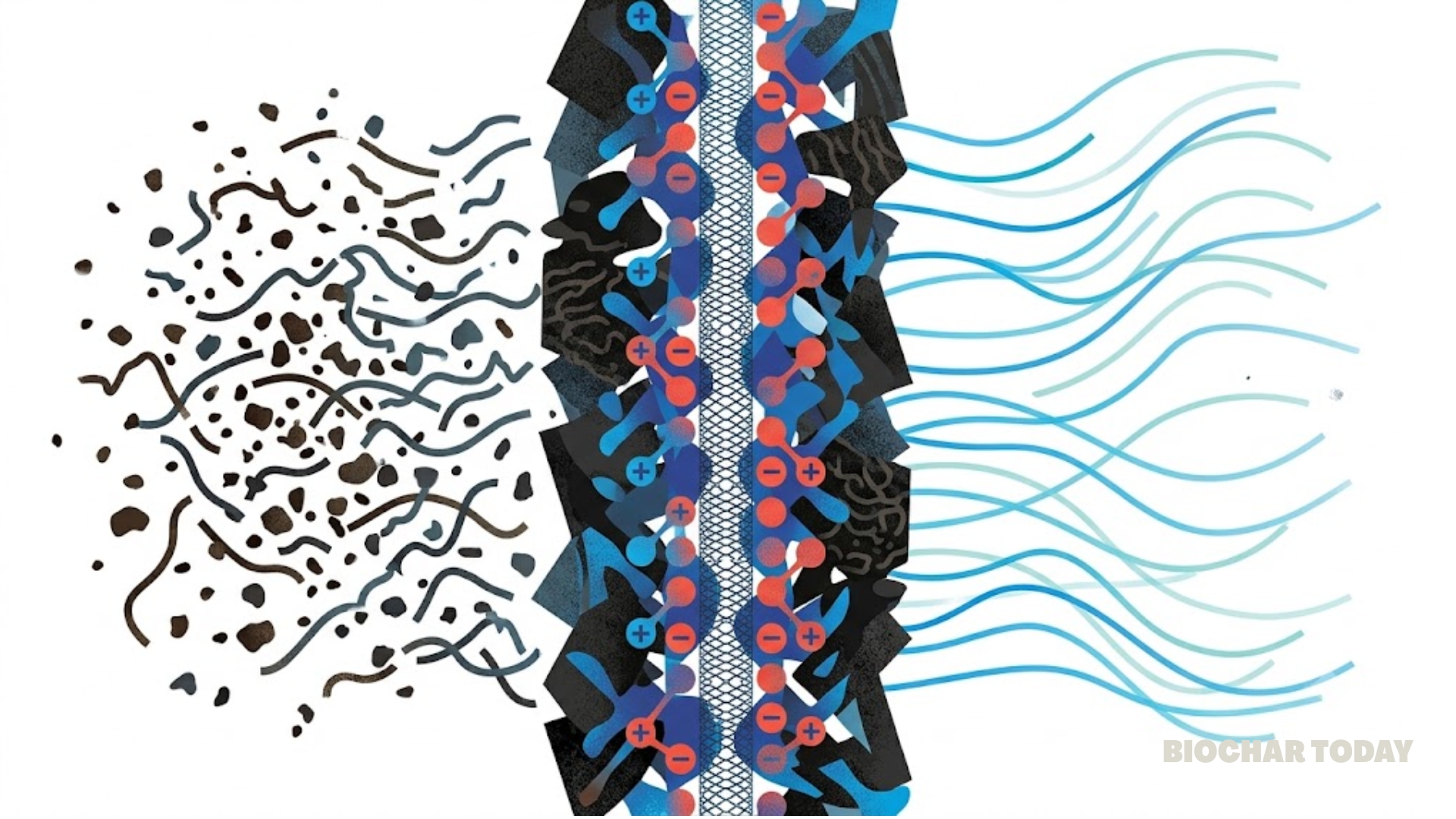
A recent study published in Scientific Reports by authors Surachai Wongcharee and Wajussakorn Kanjana evaluates the economic and environmental viability of using biochar derived from co-pyrolyzing wood sawdust and non-recyclable polypropylene plastic waste to remove copper ions from water. The researchers performed a detailed assessment across kinetic, isotherm, thermodynamic, and regeneration experimental stages to establish a transparent baseline for laboratory-scale adsorption research. The material, synthesized at five hundred degrees Celsius, demonstrated an impressive maximum copper adsorption capacity of 126.1 milligrams per gram without requiring expensive or hazardous chemical activation steps.
The authors conducted an exhaustive financial audit of the five core operational categories: chemical reagents, disposable consumables, instrument utilization, electricity, and researcher labor. The combined budget for the primary kinetic and isotherm testing phases amounted to less than ninety-eight United States dollars, representing a per-data-point expenditure of just one dollar and eighty cents. When benchmarked against traditional commercial options like granular activated carbonActivated carbon is a form of carbon that has been processed to create a vast network of tiny pores, increasing its surface area significantly. This extensive surface area makes activated carbon exceptionally effective at trapping and holding impurities, like a molecular sponge. It is commonly More and powdered activated carbon, the biochar system achieved total cost savings of 37.9 percent and 36.1 percent, respectively. The primary driver of these savings was the complete elimination of post-synthesis chemical activation, which typically accounts for the vast majority of commercial overhead.
Beyond immediate cost reductions, the study highlighted an exceptional performance-to-price ratio, defined as the cost-normalized adsorption capacity. The co-pyrolysis biochar reached a ratio of 14,330 milligrams per dollar, which vastly outperforms the estimated range of 300 to 1,333 milligrams per dollar recorded for commercial activated carbons. Regeneration experiments further demonstrated that the adsorbent could undergo multiple adsorption-desorption cycles using dilute acid at a low cost per cycle. Reusing the material proved roughly four and a half times cheaper than replacing it with fresh single-use adsorbent, ensuring high economic feasibility for long-term water treatment applications.
The environmental footprint assessment revealed that the entire four-phase testing program generated approximately sixteen kilograms of carbon dioxide equivalent emissions. The consumption of electrical energy was the single largest contributor, responsible for over fifty-eight percent of total greenhouse gas emissions due to the continuous operation of temperature-controlled shakers and analytical equipment. Conversely, the direct carbon footprint from chemical reagents and water remained negligible. Monetizing these emissions using local voluntary carbon market pricing added less than a quarter of a dollar to the overall project expenses, accounting for roughly one-tenth of one percent of total financial outlay.
To test the stability of their economic model, the researchers executed a sensitivity analysis by varying each key cost parameter by plus or minus twenty percent. Instrument utilization emerged as the most sensitive factor influencing the total budget, followed by consumables and labor rates. Price fluctuations in raw chemical reagents and electrical utilities exerted minimal influence on overall costs. Consequently, the authors concluded that strategies aimed at optimizing laboratory workflows, sharing analytical instruments, and extending adsorbent reusability yield far greater financial benefits than attempting to cut back on chemical quantities or basic energy consumption.
Source: Wongcharee, S., & Kanjana, W. (2026). Comprehensive techno-economic and environmental assessment of sawdust-polypropylene co-pyrolysis adsorbent for Cu2+ adsorption at laboratory scale. Scientific Reports, 16, Article 70986.




Leave a Reply