


Water scarcity, a pressing global challenge, demands innovative solutions for clean water access. Interfacial solar steam generation (ISSG) holds promise, but practical limitations like high costs and complex materials hinder its widespread adoption. This study introduces a groundbreaking approach that tackles both issues by repurposing readily available waste – hemp fiber noil and hemp stem biochar.
Access to clean water remains a critical unmet need for billions globally. Climate change, population growth, and pollution exacerbate this crisis, urging the development of sustainable solutions. Conventional desalination methods often face drawbacks like high energy consumption and environmental concerns.
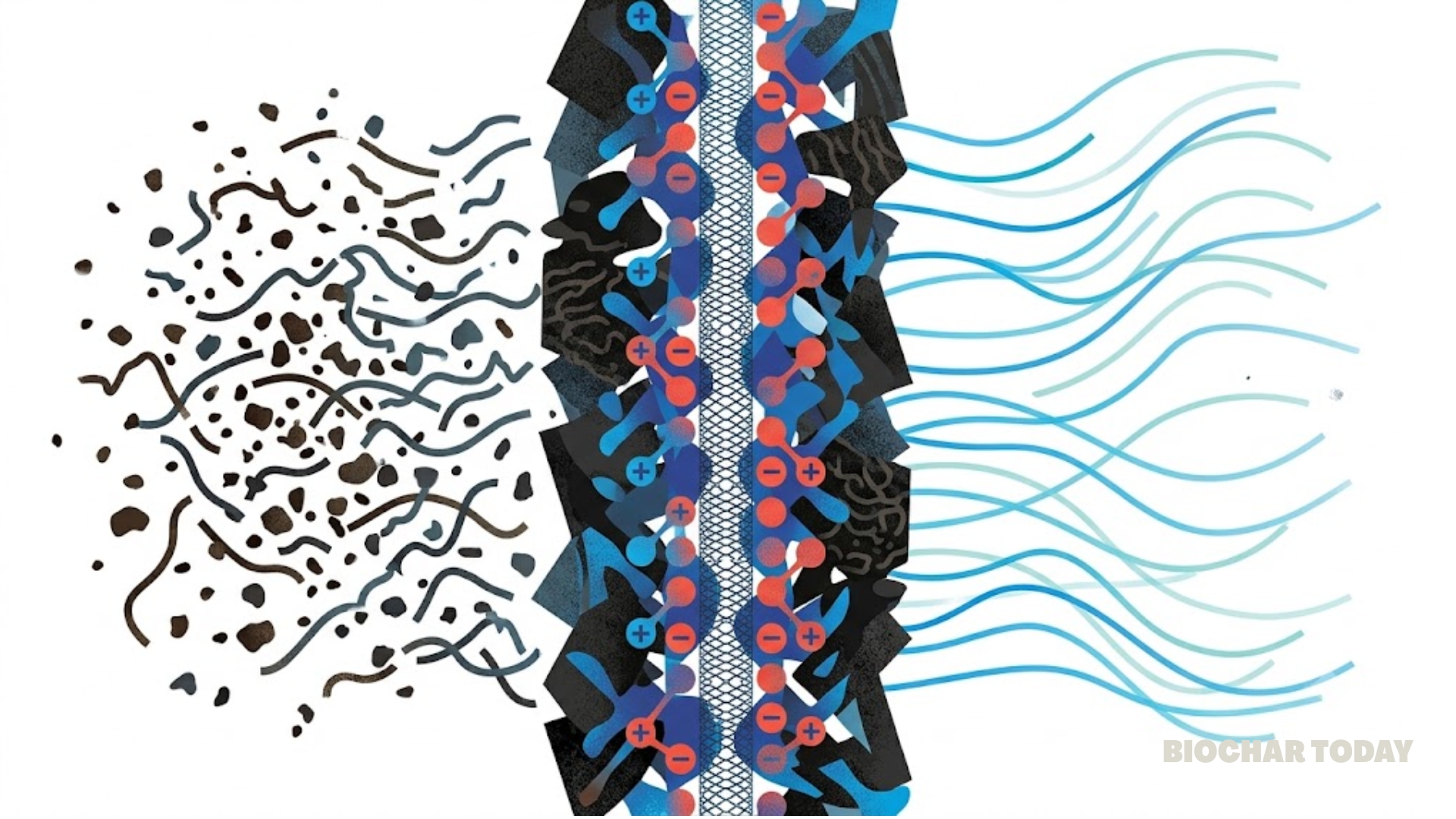
This research unveils a novel ISSG system built from waste materials readily available in the textile industry. Nonwoven hemp fabric acts as the base, onto which hemp stem-derived biochar is seamlessly integrated via spray-coating. This eco-friendly design boasts impressive efficiency, achieving a seawater evaporation rate of 1.47 kg/m²/h under 1 sun – a promising contender in seawater desalination research.
Hemp noil, a by-product of hemp fiber production, finds new life in this system. Repurposing this waste not only addresses environmental concerns but also reduces costs, making the technology more accessible. Additionally, hemp stems readily transform into biochar, contributing to a circular economy approach.
The system draws inspiration from nature, mimicking the transpiration and nutrient absorption functions of mushrooms. The combination of biochar as a solar absorber and the porous, breathable hemp fabric promotes efficient freshwater vapor generation while preventing salt crystallization even after prolonged use.
This research paves the way for broader applications beyond clean water access. The sustainable material utilization approach showcased has the potential to address various environmental challenges and contribute to a more circular economy.




Leave a Reply