
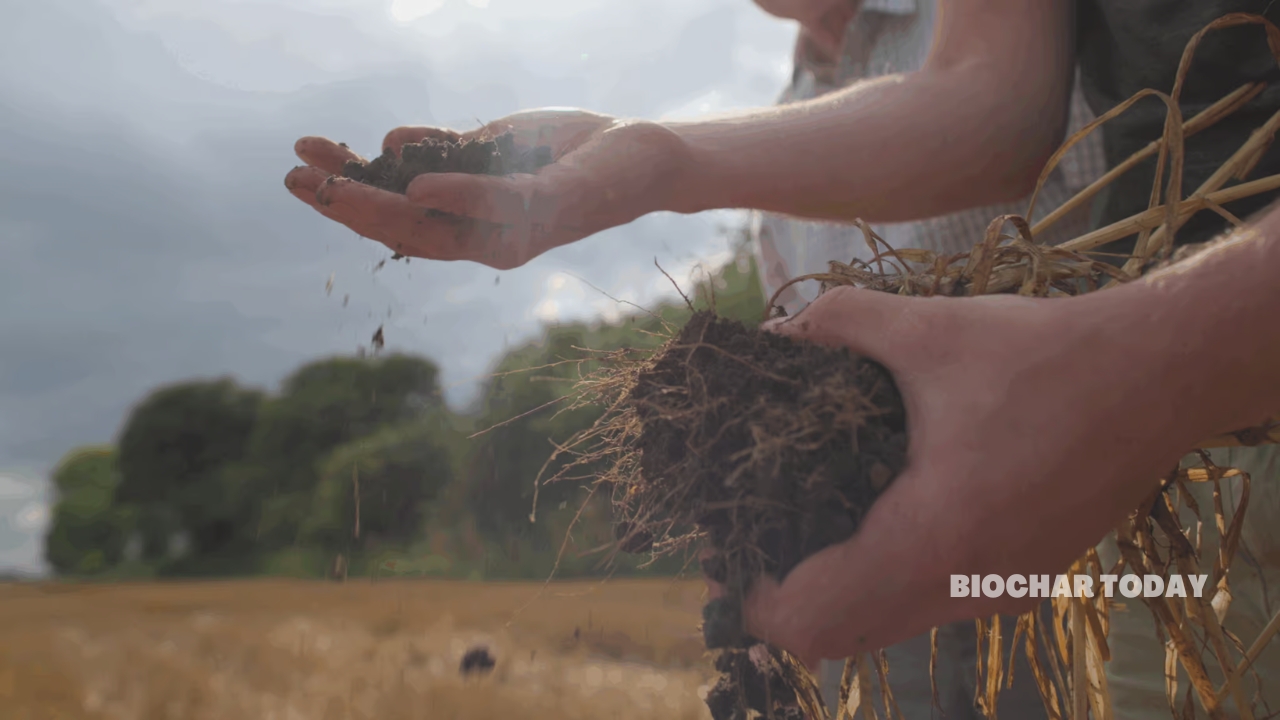
Agreena and Verra are partnering across multiple European nations to support thousands of farmers in adopting regenerative agricultural practices that rebuild degraded soils and capture atmospheric carbon. Operating as Europe’s primary soil carbon initiative, the AgreenaCarbon program (Verra Project 4022) utilizes Verra’s Verified Carbon Standard (VCS) Program and methodology VM0042 to quantify soil carbon accumulation. Spanning 4.5 million hectares across 20 markets, the program connects agricultural management with carbon markets, assisting farming communities from the United Kingdom to Eastern Europe.
The main barrier to scaling regenerative land management stems from the substantial economic risk and upfront capital investment required from individual farmers. Transitioning away from conventional agriculture requires purchasing specialized equipment, altering operational habits, and accepting potential short-term yield uncertainties while waiting several years for soil fertility and financial returns to stabilize. In addition, regional agricultural operations—most notably in Ukraine—face compounding geopolitical conflicts and operational disruptions that threaten ongoing land stewardship, soil health, and broader food supply chains.
To mitigate these economic and physical barriers, Agreena provides a structured framework that combines technical verification with financial incentives. Farmers implement climate-smart field interventions such as reduced tillage, cover cropping, and expanded crop rotations to directly increase organic carbon storage in the soil profile. Agreena measures and verifies these field-level practice changes annually through third-party validation bodies. verified carbon credits are subsequently issued onto the voluntary carbon market, creating a transparent, standardized pathway for corporate carbon finance to flow directly to agricultural producers.
The program establishes an impactful financial structure that returns up to 85% of carbon credit sales value directly to participating farm operations. These revenue disbursements allow farmers to absorb transition risks, purchase necessary equipment, and enhance overall soil quality. In wartime Ukraine, enterprises such as Agrain utilize this carbon finance model across more than 500 fields to maintain crop production and preserve critical topsoil resources. The initiative successfully demonstrates how verified soil carbon quantification can simultaneously build rural economic resilience and advance regional decarbonization targets.





Leave a Reply