
RESEARCH SUMMARY: Wedayani, et al. (2024) Utilization of banana waste biocharBiochar is a carbon-rich material created from biomass decomposition in low-oxygen conditions. It has important applications in environmental remediation, soil improvement, agriculture, carbon sequestration, energy storage, and sustainable materials, promoting efficiency and reducing waste in various contexts while addressing climate change challenges. More to reduce heavy metal contamination in soil and maize plants. Journal of Degraded and Mining Lands Management, Vol. 11. https://doi.org/10.15243/jdmlm.2024.112.5475
Subak Kerdung, an agricultural gem in Bali, faces a hidden threat: heavy metal contamination in its soil. This can harm not only the environment but also the health of those who rely on its crops, particularly maize. This blog explores a new hope: banana waste biochar as a sustainable and effective solution.
The Problem:
- Subak Kerdung’s soil shows elevated levels of heavy metals like Pb, Cu, and Cd, likely due to industrial waste and fertilizers.
- These metals accumulate in maize, raising concerns about their safety for consumption and the environment.
- Farmers, unaware of the hidden danger, prioritize yield over heavy metal content.
The Solution: Banana Waste Biochar
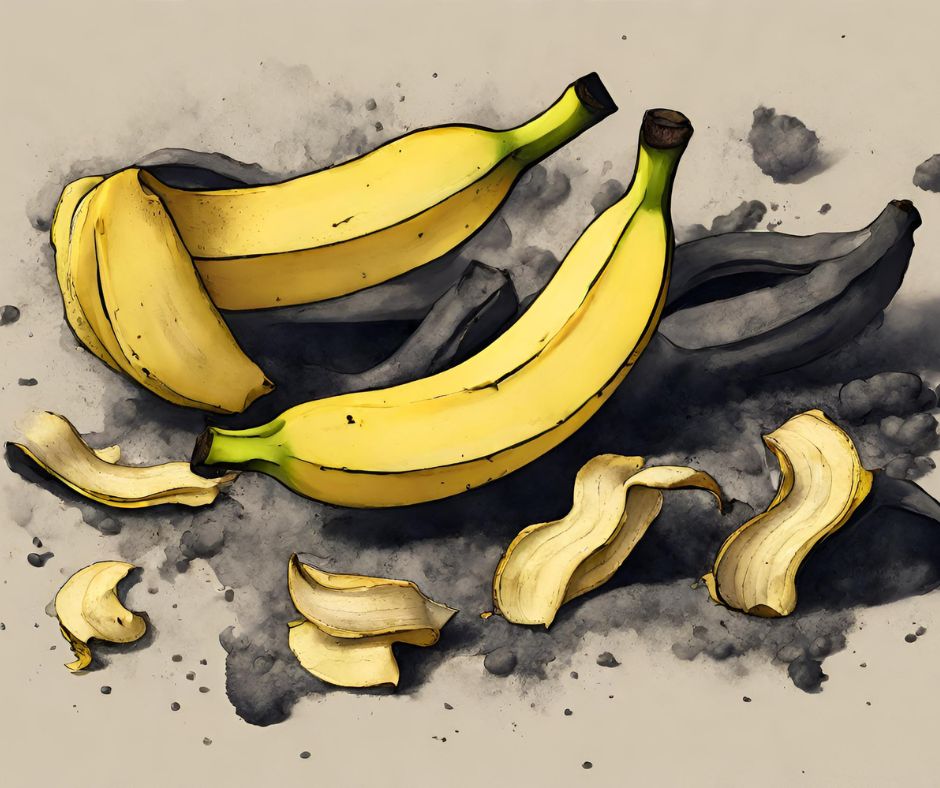
This research introduces banana waste biochar, a charcoal-like material made from banana stems, peels, and bunches. This readily available resource offers several advantages:
- Absorption Powerhouse: Biochar’s porous structure effectively absorbs and binds heavy metals, preventing them from entering plants.
- Cost-Effective and Sustainable: Utilizing waste reduces disposal costs and environmental impact compared to conventional methods.
- Soil Enhancer: Biochar improves soil fertility and water retention, boosting overall agricultural productivity.
The Research Findings:
- The study tested different types and dosages of banana waste biochar on maize grown in Subak Kerdung soil.
- Mixed biochar (stem + peel + bunch) proved most effective in reducing Pb and Cu in maize plants.
- Banana peel biochar excelled at reducing Cd content in both soil and plants.
- The optimal dosage varied depending on the target metal, with 15 t/ha for Pb and Cd and 10 t/ha for Cu showing best results.
Moving Forward:
This research paves the way for a promising solution to Subak Kerdung’s heavy metal woes. Further studies are needed to optimize biochar application and educate farmers about its benefits. Together, we can ensure the long-term sustainability and safety of Subak Kerdung’s agriculture, leaving a legacy of healthy soil and thriving crops for generations to come.


Leave a Reply