
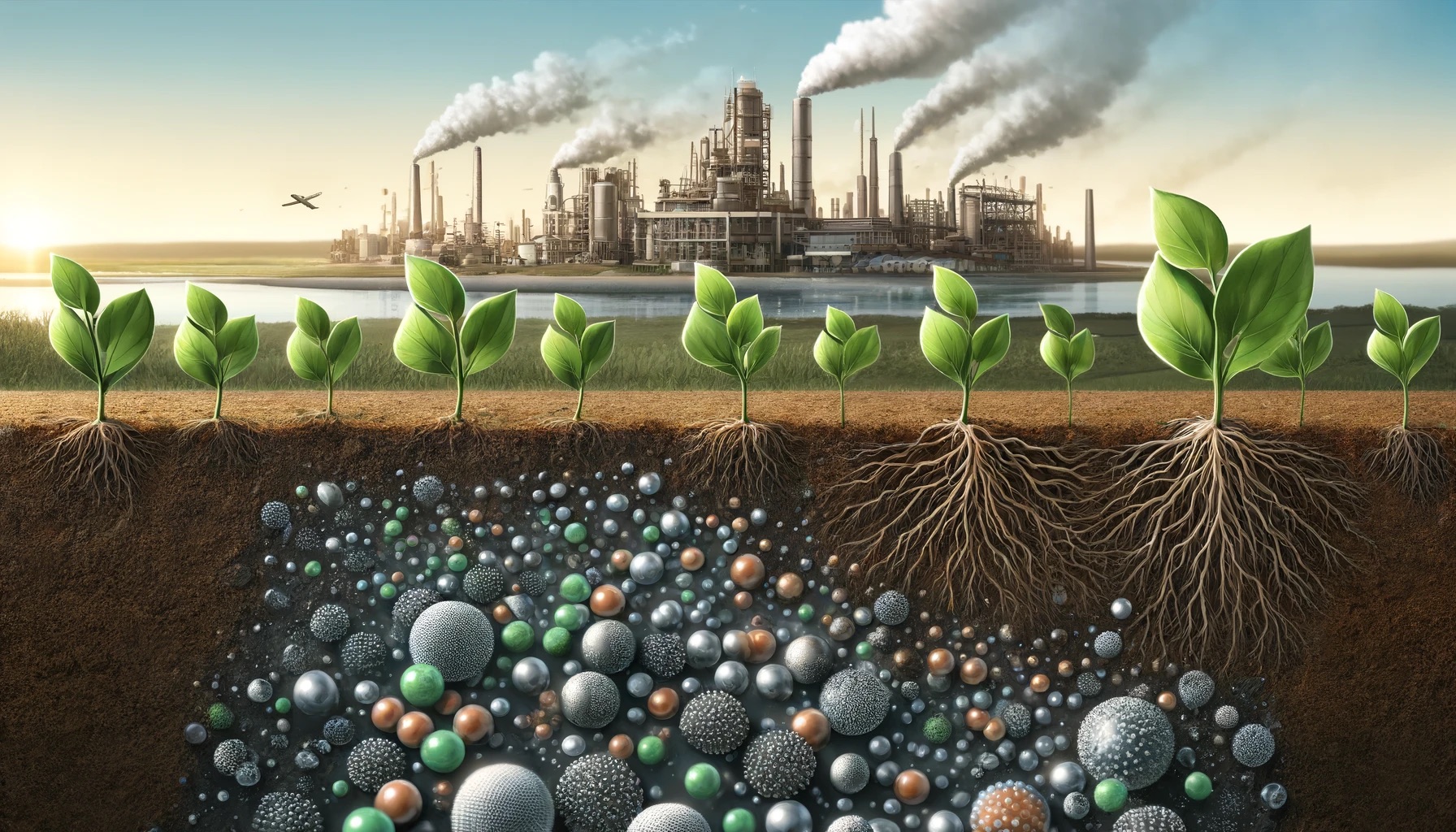

A review article in Environmental Research explores the potential of nano-biochar (N-BC) in mitigating heavy metal contamination and emerging contaminants in soil. Authored by a team of researchers including Himanshu K. Pathak, Chandra Shekhar Seth, and others, the paper highlights the need for sustainable solutions to combat environmental pollution exacerbated by industrial growth.
Nano-biochar, a carbonaceous material with a high surface area, thermal stability, and various functional groups, has shown promise in adsorbing toxic heavy metals and persistent pollutants. However, traditional biocharBiochar is a carbon-rich material created from biomass decomposition in low-oxygen conditions. It has important applications in environmental remediation, soil improvement, agriculture, carbon sequestration, energy storage, and sustainable materials, promoting efficiency and reducing waste in various contexts while addressing climate change challenges. More has limitations in effectiveness, prompting the development of emerging nano-biochar (EN-BC). EN-BC addresses issues like hetero-aggregation and agglomeration, enhancing the adsorption capacity and environmental efficacy of nano-biochar.
The review delves into the mechanisms and adsorption kinetics of nano-biochar, emphasizing its potential to improve soil health and promote plant growth under abiotic stress. It outlines how nano-biochar’s smaller volume and larger surface area contribute to its superior performance in removing contaminants compared to conventional biochar.
Researchers underscore the urgency of addressing soil contamination to sustain agricultural productivity and protect human health. They suggest that the advanced properties of nano-biochar, including its enhanced mobility in aquatic and terrestrial environments, make it a viable solution for environmental remediation.
The paper concludes by discussing various adsorption models and the future research directions needed to optimize nano-biochar’s application. This comprehensive review underscores the critical role of nano-biochar in fostering a healthier environment and sustaining agricultural ecosystems amidst growing environmental challenges.
For further details, refer to the full article here.





Leave a Reply