


The recent study explores an innovative valorization pathway for sunflower seed hulls (SSH), focusing on the simultaneous production of furfural-enriched bio-oil and biochar, both of which present significant potential in agricultural applications. This research primarily investigates the conversion of acid-pretreated SSH into these valuable products through bench scale pyrolysisPyrolysis is a thermochemical process that converts waste biomass into bio-char, bio-oil, and pyro-gas. It offers significant advantages in waste valorization, turning low-value materials into economically valuable resources. Its versatility allows for tailored products based on operational conditions, presenting itself as a cost-effective and efficient More processes, offering a sustainable and economically feasible solution to the residue generated from sunflower oil production.
Sunflower, a major oilseed crop globally, produces a considerable amount of SSH, which traditionally has limited use, primarily in industrial boilers and as poultry bedding. This study proposes a multi-product pyrolysis approach as a more valuable alternative, emphasizing not only waste reduction but also the creation of products with significant market potential.
Two distinct pyrolysis methods (Py1 and Py2) were tested, yielding 45% and 48% bio-oil, and 34% and 35% biochar, respectively. The bio-oils analyzed displayed a high concentration of furfural, a compound known for its insecticidal properties, suitable for combating grain storage pests. This positions furfural-enriched bio-oil as a promising bioinsecticide, providing a non-toxic alternative to conventional chemical insecticides, which are environmentally and health-wise hazardous.
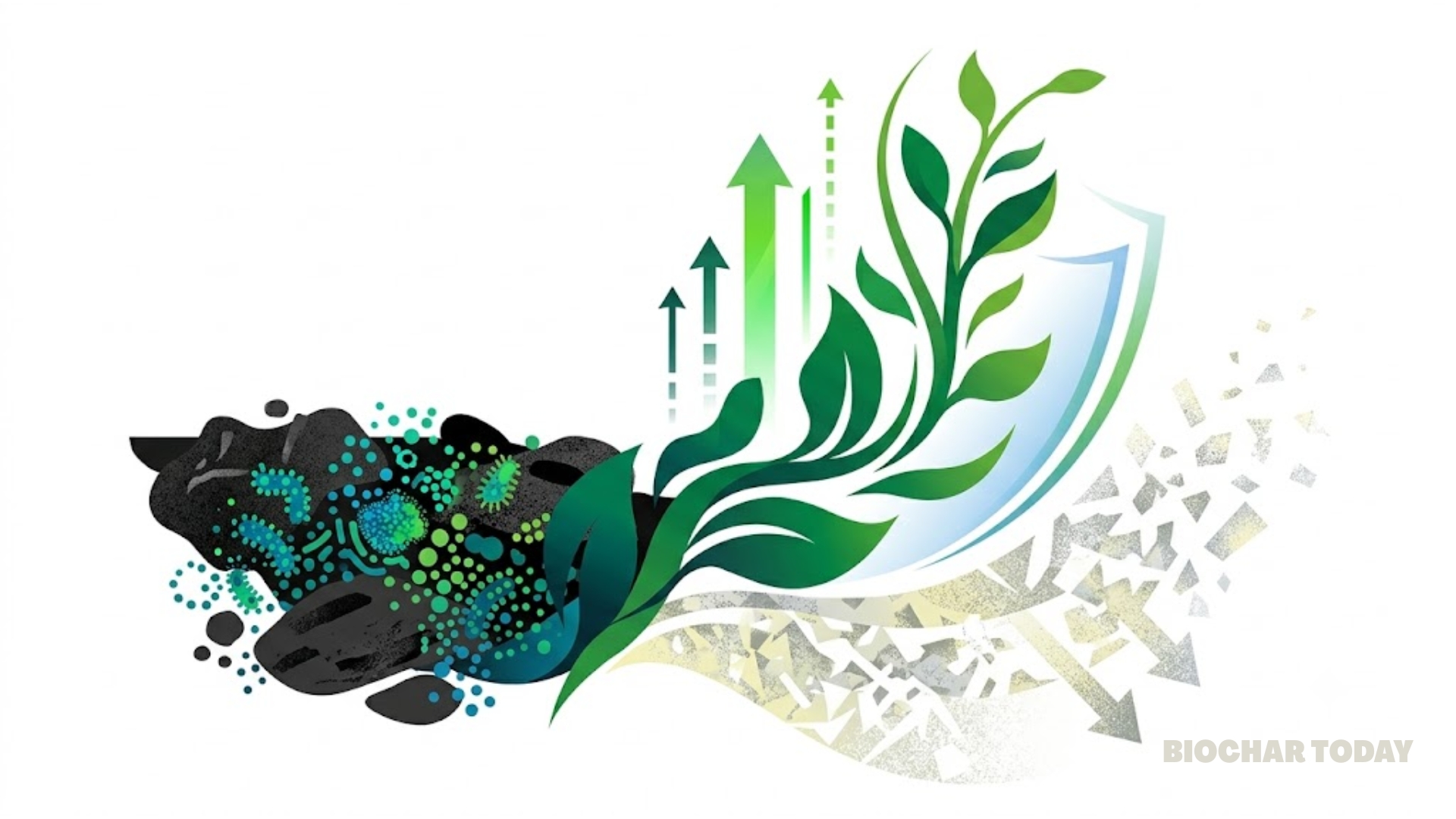
Furthermore, the study highlights the application of biochar as a soil amendmentA soil amendment is any material added to the soil to enhance its physical or chemical properties, improving its suitability for plant growth. Biochar is considered a soil amendment as it can improve soil structure, water retention, nutrient availability, and microbial activity. More product. Biochar produced through the Py2 process was found to enhance soil quality by improving organic content, nutrient availability, and water retention. This contributes positively to agricultural sustainability and carbon sequestration, mitigating soil degradation and pollution.
The feasibility of this valorization was underpinned by a conceptual design for a multi-product pyrolysis plant at Ingeniero White port, Argentina. The design forecasts the processing of approximately 23,158 kg/year of SSH to produce these bio-products efficiently. With a projected minimum selling price of USD 11/kg for the bioinsecticide, the economic analysis confirms the viability of this venture, suggesting a profitable and environmentally beneficial opportunity for industries.
In conclusion, the study not only supports the economic and environmental advantages of transforming SSH into bio-oil and biochar but also strengthens the case for a broader adoption of pyrolysis technology in biomassBiomass is a complex biological organic or non-organic solid product derived from living or recently living organism and available naturally. Various types of wastes such as animal manure, waste paper, sludge and many industrial wastes are also treated as biomass because like natural biomass these More waste management. This could potentially revolutionize the agricultural sector, offering a double-edged solution to waste utilization and sustainable farming practices.




Leave a Reply