
Fan, Leng, et al (2024) Enhanced mitigation of N2O and NO emissions through co-application of biocharBiochar is a carbon-rich material created from biomass decomposition in low-oxygen conditions. It has important applications in environmental remediation, soil improvement, agriculture, carbon sequestration, energy storage, and sustainable materials, promoting efficiency and reducing waste in various contexts while addressing climate change challenges. More with nitrapyrin in an intensive tropical vegetable field. Agriculture, Ecosystems & Environment. https://doi.org/10.1016/j.agee.2024.108910
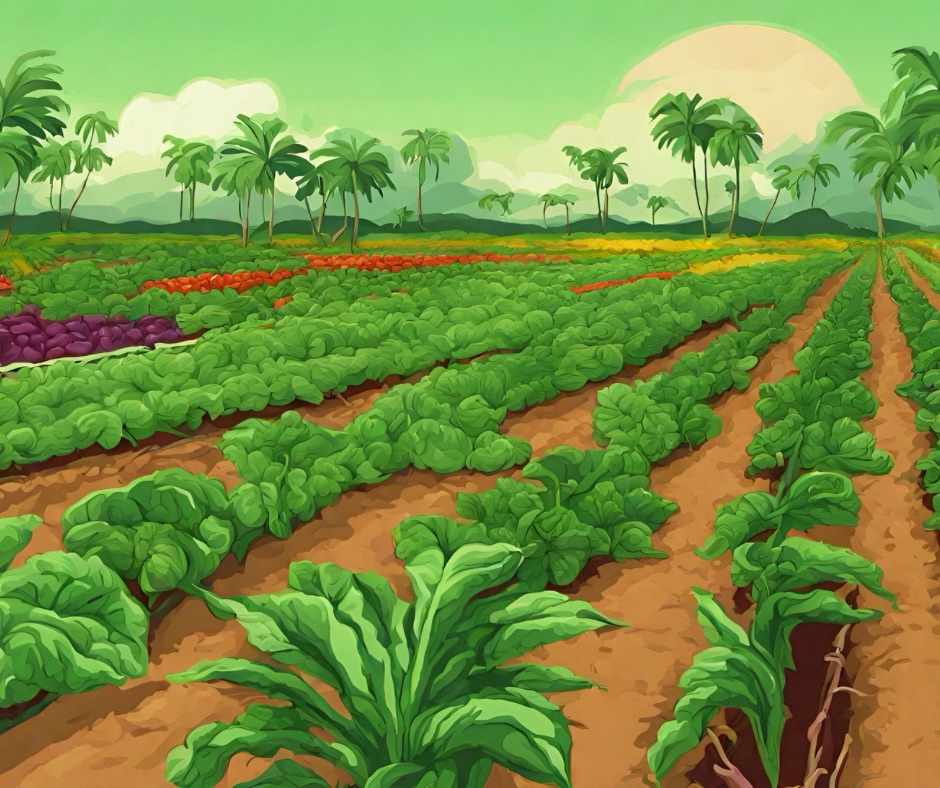
Intensive cultivation of vegetable fields in tropical regions presents a significant environmental challenge due to gaseous nitrogen emissions, primarily stemming from human-induced nitrogen fertilizer use. In this 2-year field experiment conducted in a tropical vegetable ecosystem, we delved into the efficacy of peanut biochar and nitrapyrin, a nitrification inhibitor, in mitigating nitrous oxide (N2O) and nitric oxide (NO) emissions.
Under conventional fertilization, cumulative N2O and NO emissions were notable, emphasizing the urgency for sustainable solutions. Soil organic carbon (SOC) emerged as a key regulator, according to the random forest model. Biochar, applied alone, displayed a promising reduction of 6.1% in N2O and 13.0% in NO emissions. However, the real breakthrough came with the combination of biochar and nitrapyrin, showcasing an impressive mitigation effect of up to 23.4% for N2O and 18.6% for NO.
This enhanced performance resulted from nitrapyrin’s potent inhibitory impact on nitrifiers (AOA and AOB) and denitrifiers (nirK/S) in biochar-amended soils. Furthermore, the co-application of biochar and nitrapyrin contributed to increased SOC levels in the soil, reflecting positively on carbon sequestration.
Analyzing bacterial community structure highlighted shifts in relative abundance, such as a decrease in Nitrospirae with nitrapyrin and an increase in Acidobacteria, Chloroflexi, Gemmatimonadetes, and Nitrospirae with biochar.
In conclusion, the combined application of biochar and a nitrification inhibitor emerges as a promising strategy for dual objectives in tropical vegetable ecosystems – reducing gaseous N emissions and enhancing soil carbon storage.





Leave a Reply