
Sopandi, et al (2025) RSM-optimized biocharBiochar is a carbon-rich material created from biomass decomposition in low-oxygen conditions. It has important applications in environmental remediation, soil improvement, agriculture, carbon sequestration, energy storage, and sustainable materials, promoting efficiency and reducing waste in various contexts while addressing climate change challenges. More production from young coconut waste (Cocos nucifera): Multivariate analysis of non-linear interactions between temperature, time, and activator concentration. Industrial Crops and Products. https://doi.org/10.1016/j.indcrop.2024.120157
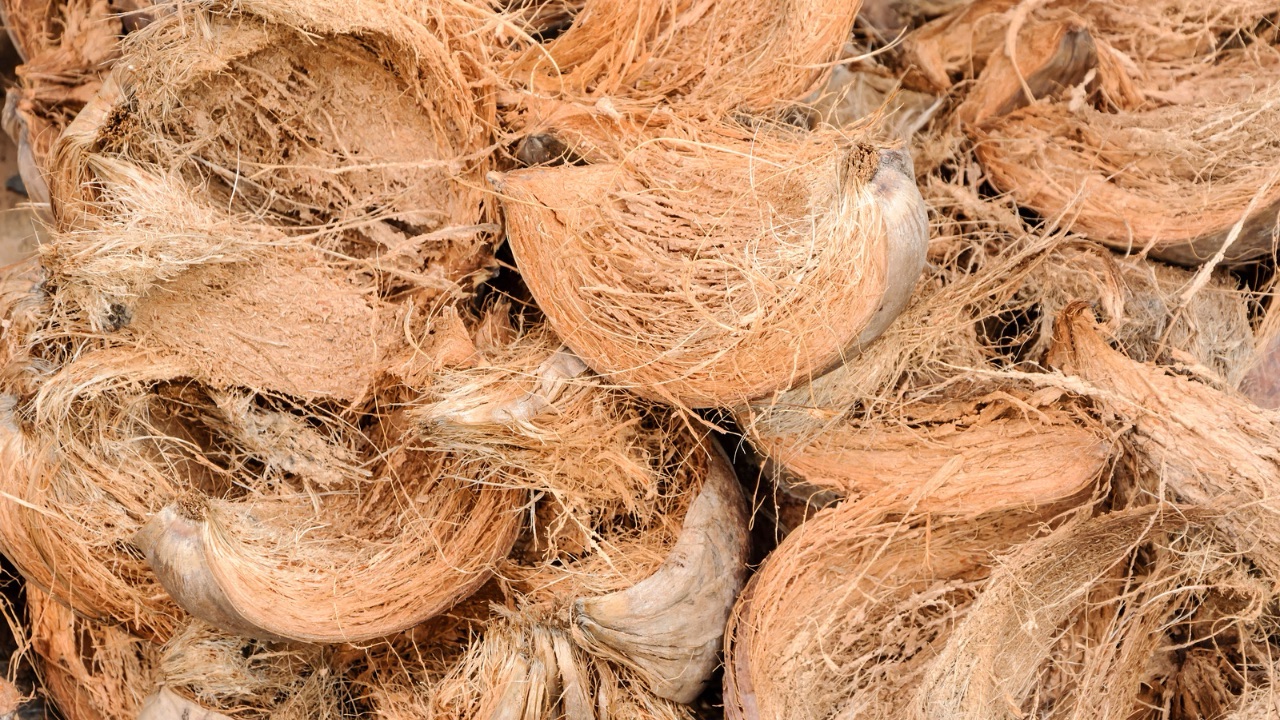
A recent study has optimized the production of biochar from young coconut waste using Response Surface Methodology (RSM). With organic waste, especially coconut husks, contributing significantly to global solid waste, this research focuses on creating a sustainable solution by transforming waste into valuable biochar.
Key factors—carbonization temperature, duration, and potassium hydroxide (KOH) concentration—were systematically analyzed. Optimal conditions were identified as 400°C, 165.8 minutes, and 4.07 M KOH, producing biochar with an iodine number of 1398.2 mg/g and methylene blue (MB) adsorption efficiency of 93.9%. These properties exceed commercial biochar standards, demonstrating the material’s high adsorption capacity and suitability for applications like environmental remediation.
The study revealed that temperature played the most significant role in determining biochar’s quality. Moderate temperatures enhanced the material’s porous structure, improving its adsorption capacity, while excessive heat led to pore collapse and reduced performance. KOH activation further increased surface reactivity and pore volume.
This optimized biochar not only outperformed conventional methods but also matched or exceeded commercial alternatives. Its iodine number was 43.4–153% higher than prior studies, and MB adsorption showed a 6.3% improvement over commercial biochar.
The research highlights the scalability of this approach for managing agricultural waste sustainably, offering a dual benefit of reducing landfill burden and producing high-performance materials for environmental applications.
This innovation provides a promising pathway toward sustainable waste management and environmental remediation.





Leave a Reply