


A recent study published in Bioresource Technology introduces a new approach to improve the defluorination of perfluorooctanoic acid (PFOA) using a combined system of ultrasound (US), biocharBiochar is a carbon-rich material created from biomass decomposition in low-oxygen conditions. It has important applications in environmental remediation, soil improvement, agriculture, carbon sequestration, energy storage, and sustainable materials, promoting efficiency and reducing waste in various contexts while addressing climate change challenges. More (BC), and ferrate (Fe (VI)). This system achieved a 93% defluorination efficiency, significantly higher than the individual contributions of US/BC and US/Fe (VI) alone.
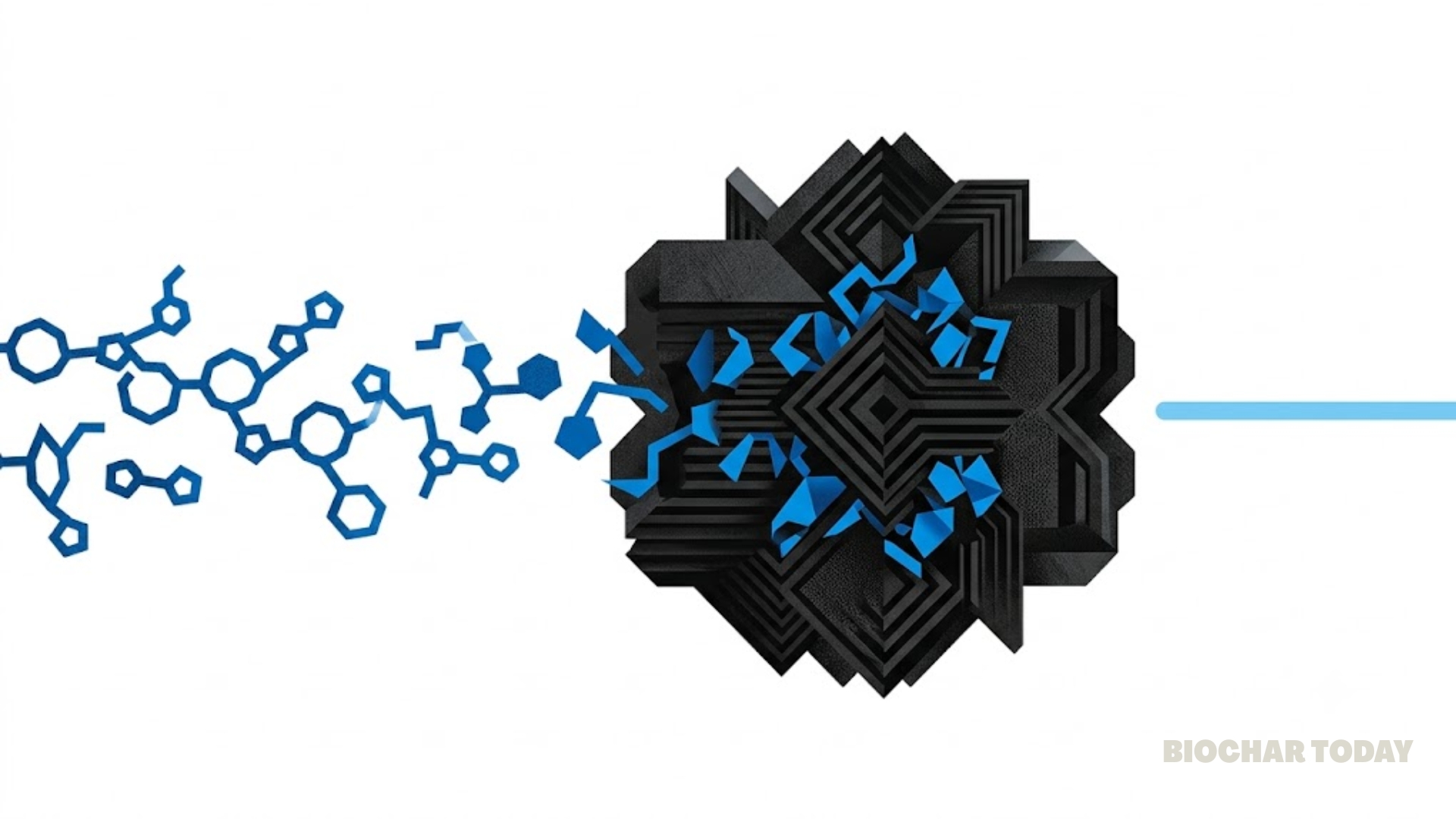
The study highlights the synergistic effects of combining US, BC, and Fe (VI). The ultrasound component generates reactive oxidant species (ROS) through cavitation, where microbubbles collapse, producing conditions that promote pollutant degradation. The biochar, derived from rice straw, enhances this process by providing a high specific surface area and active redox sites, improving both adsorption and electron transfer. Ferrate (Fe (VI)) contributes by generating additional reactive species and intermediate iron species that aid in the rapid degradation of PFOA.
Mechanistically, the PFOA degradation within this US/BC/Fe (VI) system is an adsorption-degradation process. ROS and electron transfer processes are crucial in promoting defluorination. The stability and reusability of this system were demonstrated, with a 14% reduction in defluorination efficiency observed after five cycles.
This study presents a method for PFOA degradation and shows the potential for using agricultural waste like rice straw in environmental remediation technologies. The findings offer a strategy for addressing the environmental and health risks posed by persistent organic pollutants like PFOA.



Leave a Reply