
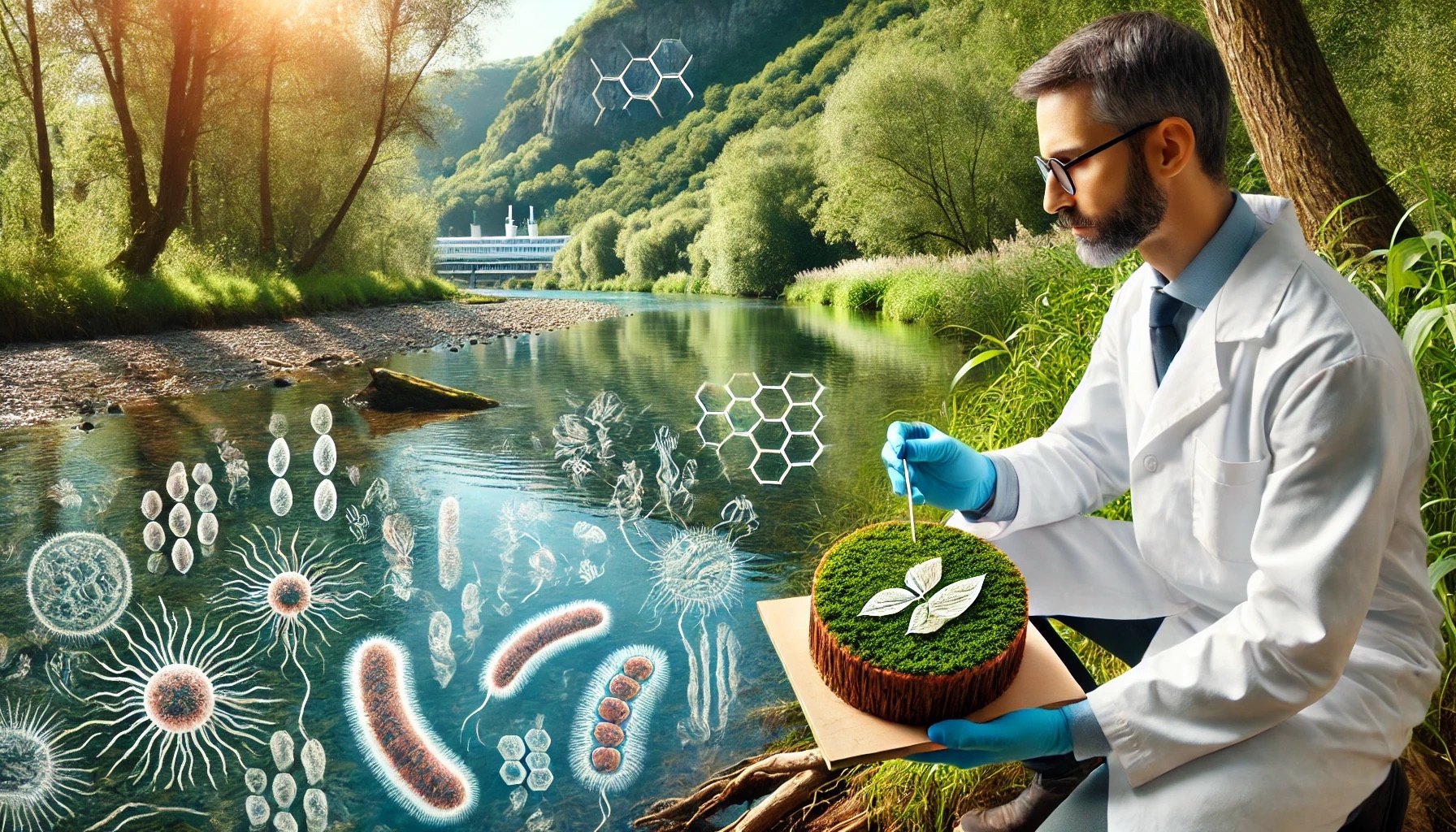

A recent review published in Science of The Total Environment explores the challenges and potential solutions for mitigating antibiotic-resistant genes (ARGs) in aquatic environments using biochar. With the increasing prevalence of diverse contaminants, including antibiotics, ARGs have become a significant concern due to their persistence and ability to cause widespread pollution. ARGs are notoriously difficult to degrade and are readily transmitted in water bodies, exacerbating environmental and public health issues.
The review delves into the mechanisms by which biochar influences ARGs. Biochar, a carbon-rich material derived from organic matter, is frequently used in environmental remediation to remove various pollutants. The review highlights the differential impacts of biochar on extracellular ARGs (eARGs) and intracellular ARGs (iARGs), emphasizing both direct and indirect effects. One key finding is the inhibitory effect of biochar on horizontal gene transfer, a primary mode of ARG propagation.
Moreover, the review summarizes the application of different types of biochar in removing ARGs, noting the significant variations in efficacy depending on the biochar’s properties and the environmental context. The authors identify gaps in current research, particularly concerning the behaviors of ARGs mediated by biochar and the factors influencing these processes. They also underscore the need for further investigation into the specific mechanisms through which biochar interacts with ARGs.
In conclusion, the review suggests that while biochar shows promise in mitigating ARGs in aquatic environments, there are still challenges to address. Future research should focus on optimizing biochar applications and understanding the long-term feasibility and implications of its use in real-world settings. This comprehensive analysis provides a foundation for guiding future studies and improving strategies for ARG removal using biochar.




Leave a Reply