


Nonsteroidal anti-inflammatory drugs (NSAIDs) like ibuprofen and naproxen are lifesavers for pain and inflammation, but their prevalence in wastewater poses environmental challenges. Traditional treatment methods often ignore the drugs present in sludge, leaving residues behind. This is where a new study introduces a promising solution: the sediment microbial fuel cell e-Fenton (SMFC-e-Fenton) system.
This innovative system harnesses the power of microbes and electricity to break down NSAIDs in both the liquid and solid phases of wastewater. It works like this:
- Microbial fuel cells (MFCs): Tiny living factories in the system generate electricity by consuming organic matter present in the wastewater.
- Electro-Fenton (e-Fenton) process: This clever trick uses the generated electricity to produce hydroxyl radicals,potent natural oxidants that effectively decompose organic pollutants,including NSAIDs.
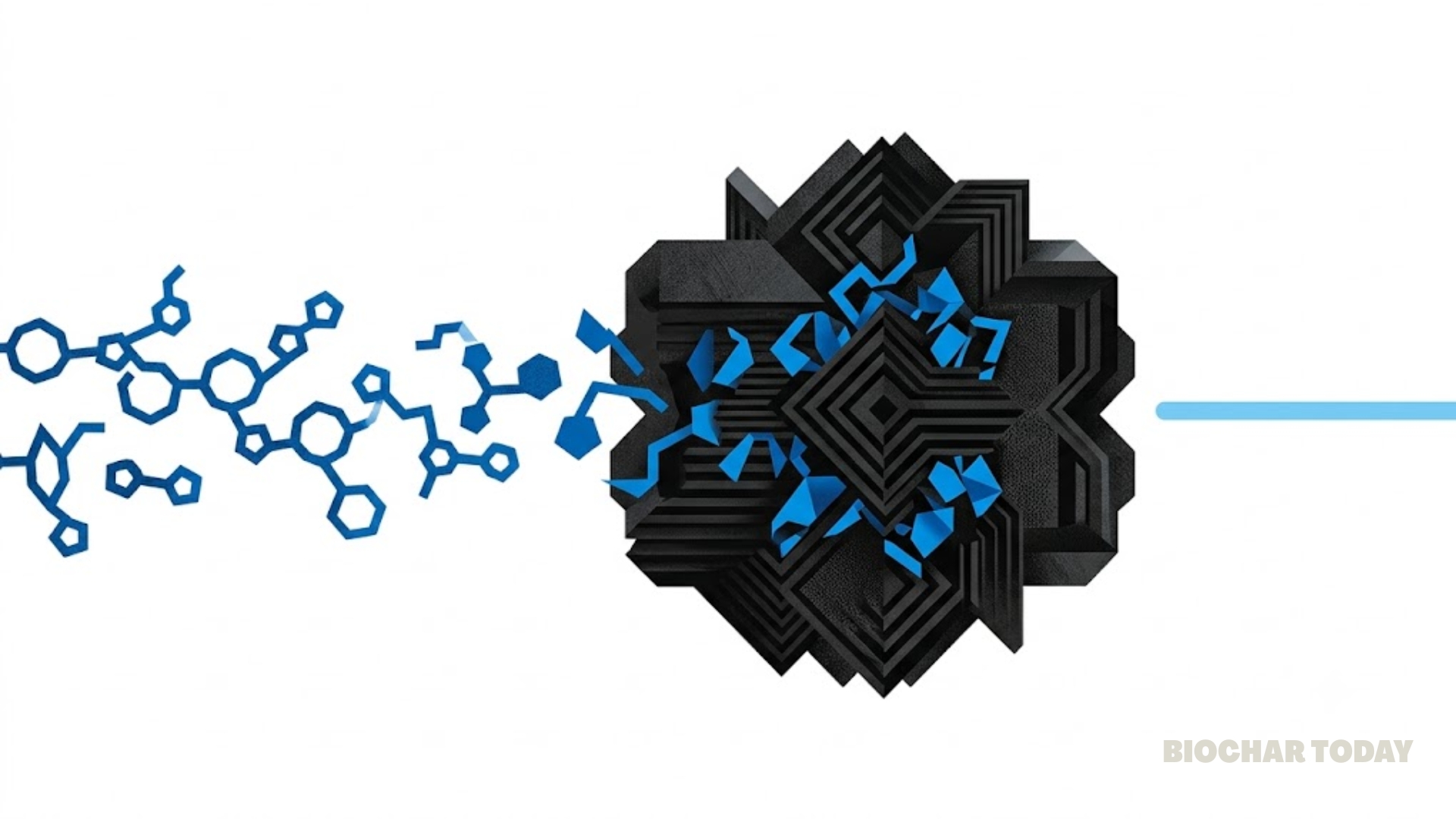
- Fe@Mn-codoped biochar cathode: This specially designed “magnet” attracts and concentrates the hydroxyl radicals, maximizing their attack on NSAIDs.
The results are impressive:
- High efficiency: The SMFC-e-Fenton system achieved near-complete degradation (over 98%) of three common NSAIDs (ibuprofen, naproxen,and diclofenac).
- Sludge decontamination: Compared to traditional methods, the system significantly reduced residual NSAIDs in sludge, leaving it cleaner and safer.
- Sustainable bonus: The system generates electricity while degrading pollutants, making it an energy-efficient and environmentally friendly approach.
The SMFC-e-Fenton system offers a promising solution for addressing the growing problem of drug pollution in wastewater. It not only effectively breaks down harmful contaminants but also does so sustainably, generating energy and minimizing environmental impact. This research paves the way for cleaner wastewater treatment and a healthier planet.



Leave a Reply