

Li, Ji, et al (2024) Construction of Fe3O4/MoS2-O/biochar heterostructure with visible light-driven photodegradation of levofloxacin and sterilization activity: efficiency, reaction pathway, and mechanism. BiomassBiomass is a complex biological organic or non-organic solid product derived from living or recently living organism and available naturally. Various types of wastes such as animal manure, waste paper, sludge and many industrial wastes are also treated as biomass because like natural biomass these More Conversion and Biorefinery. https://doi.org/10.1007/s13399-024-05374-y
Scientists have successfully developed a new type of photocatalyst using spent mushroom substrate, a waste product from mushroom farming. This material, made by combining biocharBiochar is a carbon-rich material created from biomass decomposition in low-oxygen conditions. It has important applications in environmental remediation, soil improvement, agriculture, carbon sequestration, energy storage, and sustainable materials, promoting efficiency and reducing waste in various contexts while addressing climate change challenges. More with iron oxide and molybdenum sulfide, shows promise for degrading pollutants and eliminating bacteria in water under visible light irradiation.
The study, published in Biomass Conversion and Biorefinery, highlights the potential of using recycled materials for environmental remediation. The magnetic photocatalyst achieved a 90% degradation of the antibiotic levofloxacin within 80 minutes and eliminated over 99% of Staphylococcus aureus and Escherichia coli bacteria within 20 minutes under visible light.
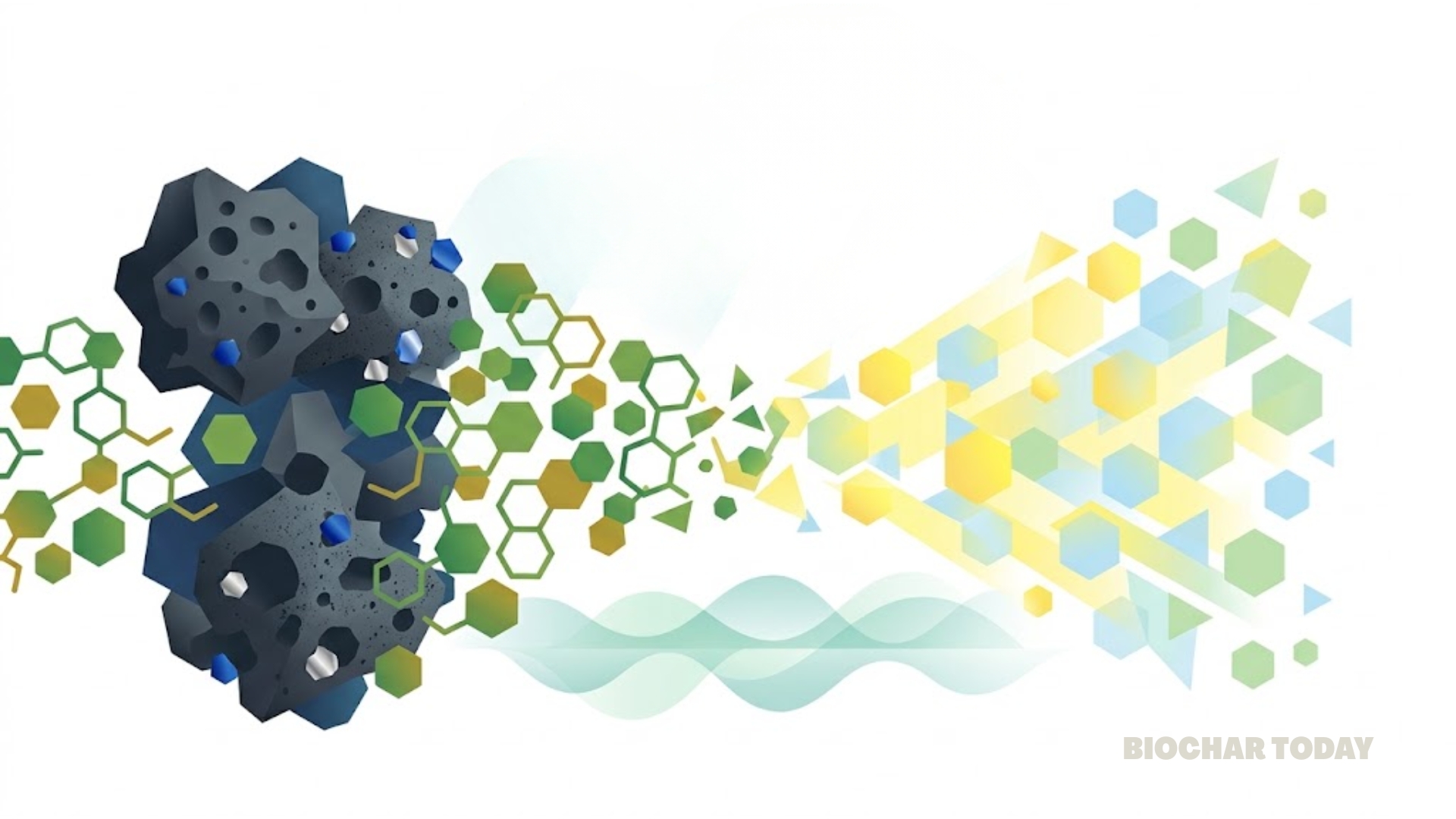
The material’s effectiveness is attributed to its unique structure and composition. The iron oxide component allows for easy magnetic separation and recycling, while the molybdenum sulfide and oxygen doping promote efficient separation of charged particles within the material. This separation, confirmed by experiments, is crucial for generating the reactive oxygen species responsible for the photocatalytic activity.
This research paves the way for the development of more sustainable and efficient water treatment methods using recycled resources. Further studies are needed to optimize the material’s performance and explore its broader applications in environmental cleanup.



Leave a Reply