
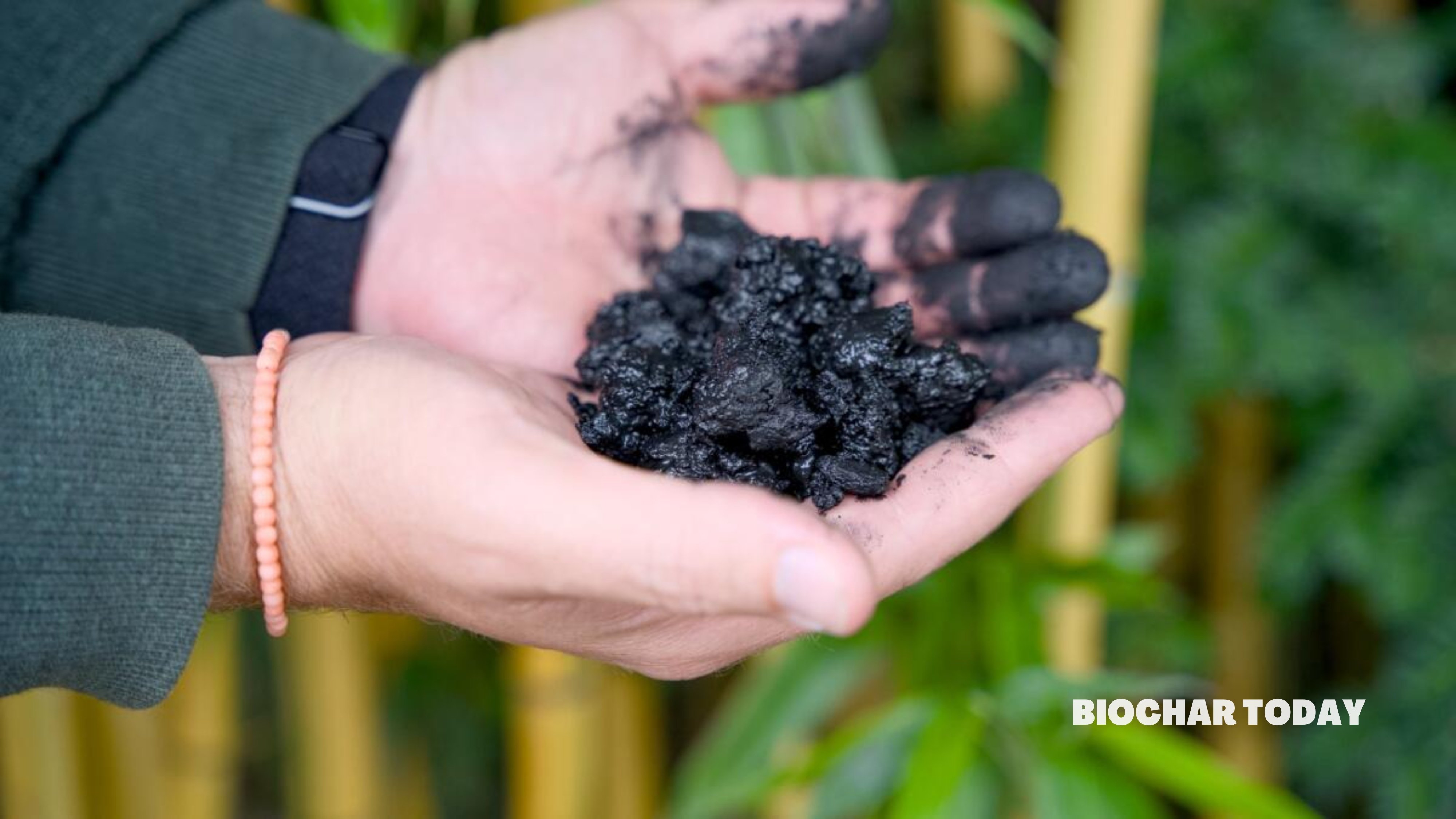
A specialized workshop scheduled for April 14 in Deniliquin, Australia, aims to bridge the gap between biocharBiochar is a carbon-rich material created from biomass decomposition in low-oxygen conditions. It has important applications in environmental remediation, soil improvement, agriculture, carbon sequestration, energy storage, and sustainable materials, promoting efficiency and reducing waste in various contexts while addressing climate change challenges. More research and on-farm application. Organized through the collaboration of the New South Wales Department of Primary Industries and Regional Development (NSW DPIR), the Soil CRC, Rainbow Bee Eater, and Metamorf Engineering, the event is designed to provide primary producers with a technical foundation in carbon-rich soil amendments. The program features a panel of industry experts, including Lukas Van Zwieten and Melissa Rebbeck, who will present findings on the integration of biochar into diverse agricultural systems, ranging from broadacre cropping to livestock management.
A primary challenge addressed by this educational initiative is the lack of localized, actionable data for farmers regarding the economic and agronomic viability of biochar. While the theoretical benefits of carbon sequestration and soil health are well-documented, many producers face uncertainty concerning application rates, feedstockFeedstock refers to the raw organic material used to produce biochar. This can include a wide range of materials, such as wood chips, agricultural residues, and animal manure. More compatibility, and the specific return on investment within the Australian climate. Furthermore, the complexities of integrating biochar as a livestock feed additive—specifically regarding its impact on methane reduction and nutrient absorption—require a level of technical oversight that is often inaccessible to individual operators without direct engagement with research bodies.
The solution provided by this collaborative workshop is a direct knowledge-transfer model that connects researchers and technology providers with the farming community. Experts from the Soil CRC and NSW DPIR will present peer-reviewed data on how biochar improves soil structure, fertility, and moisture retention, thereby reducing reliance on synthetic fertilizers. Simultaneously, representatives from Rainbow Bee Eater will discuss the logistics of utilizing waste biomassBiomass is a complex biological organic or non-organic solid product derived from living or recently living organism and available naturally. Various types of wastes such as animal manure, waste paper, sludge and many industrial wastes are also treated as biomass because like natural biomass these More, such as crop residues and wood, to create a circular economy on the farm. By offering a “basics” curriculum alongside advanced research updates, the workshop demystifies the technical processes involved in pyrolysisPyrolysis is a thermochemical process that converts waste biomass into bio-char, bio-oil, and pyro-gas. It offers significant advantages in waste valorization, turning low-value materials into economically valuable resources. Its versatility allows for tailored products based on operational conditions, presenting itself as a cost-effective and efficient More and subsequent soil integration.
The anticipated outcomes of this event include increased adoption of biochar-based practices across the Riverina region, leading to enhanced soil microbial life and improved crop yields. By educating producers on the role of biochar in permanent carbon removal, the workshop aligns local agricultural practices with broader climate mitigation goals. Additionally, the focus on livestock feed additives offers a pathway for regional graziers to reduce enteric methane emissions while potentially improving animal gut health. Ultimately, this initiative strengthens the regional biochar network, providing farmers with the professional contacts and technical resources necessary to transition from conventional methods to carbon-smart agriculture.



Leave a Reply