
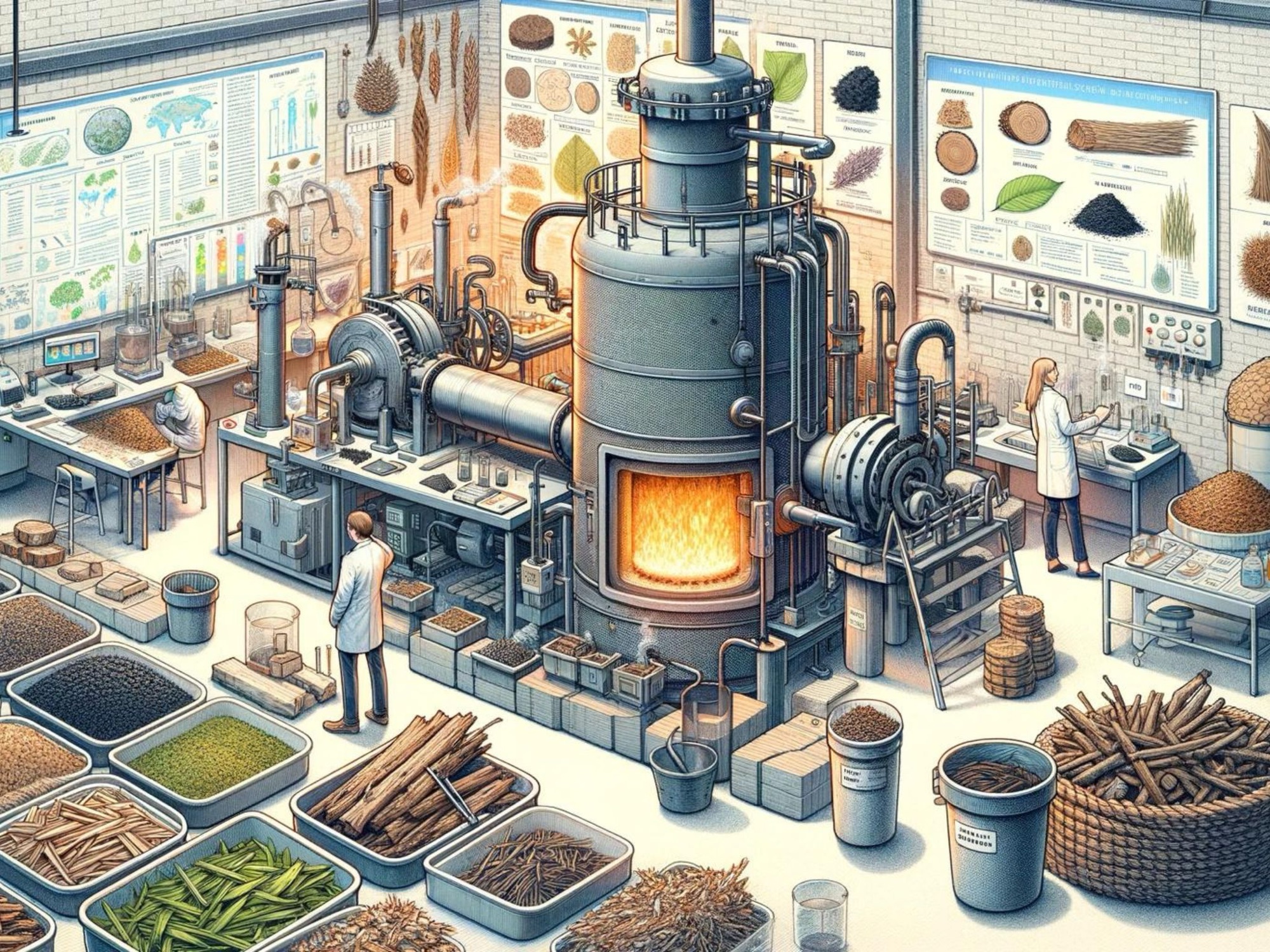

In a comprehensive review of biochar production, recent studies have emphasized how biomass type and pyrolysis conditionsThe conditions under which pyrolysis takes place, such as temperature, heating rate, and residence time, can significantly affect the properties of the biochar produced. More critically influence the properties of biochar, a carbon-rich product derived from the thermal decomposition of organic materials. This synthesis is pertinent given biochar’s varied applications, from soil enhancement to energy production.
The research meticulously categorizes biochar properties such as yield, elemental composition, pHpH is a measure of how acidic or alkaline a substance is. A pH of 7 is neutral, while lower pH values indicate acidity and higher values indicate alkalinity. Biochars are normally alkaline and can influence soil pH, often increasing it, which can be beneficial More, and heating value, which significantly vary based on the type of biomass—ranging from woody plants and agricultural residues to algae and tea wastes. These differences are pivotal as they directly affect biochar’s application in various fields. For example, the structural and chemical characteristics of biochar, which depend on the specific biomass and its pyrolysisPyrolysis is a thermochemical process that converts waste biomass into bio-char, bio-oil, and pyro-gas. It offers significant advantages in waste valorization, turning low-value materials into economically valuable resources. Its versatility allows for tailored products based on operational conditions, presenting itself as a cost-effective and efficient More conditions (like temperature and heating rate), determine its suitability for use in soil improvement, energy production, or material engineering.
Furthermore, the review highlights the importance of understanding these properties to tailor biochar for specific end-uses. By manipulating pyrolysis conditions, researchers can enhance certain characteristics of biochar, making it more effective for particular applications. This is crucial for advancing biochar technologies and expanding their commercial viability.
The study also identifies gaps in current knowledge, particularly in correlating biomass types with specific biochar properties, suggesting areas for further research. By filling these gaps, technology developers can better predict biochar properties and optimize production processes for targeted applications, enhancing the overall utility and economic value of biochar.
This review not only serves as a critical resource for scientists and technologists working with biochar but also sets the stage for more innovative and efficient applications of this versatile material.



Leave a Reply