
Wu, et al (2024) Preparation of imprinted phenol gel with ultra-high adsorption capacity based on porous biocharBiochar is a carbon-rich material created from biomass decomposition in low-oxygen conditions. It has important applications in environmental remediation, soil improvement, agriculture, carbon sequestration, energy storage, and sustainable materials, promoting efficiency and reducing waste in various contexts while addressing climate change challenges. More: 5-stage tandem column, response surface method, and mechanism analysis. Separation and Purification Technology. https://doi.org/10.1016/j.seppur.2024.127789
In a recent study published in Separation and Purification Technology, researchers developed a novel biochar-based composite gel designed to address the persistent issue of phenolic compound pollution in industrial wastewater. Phenolic pollutants, prevalent in industries such as petroleum refining and pharmaceuticals, pose significant environmental and health risks if not properly managed.
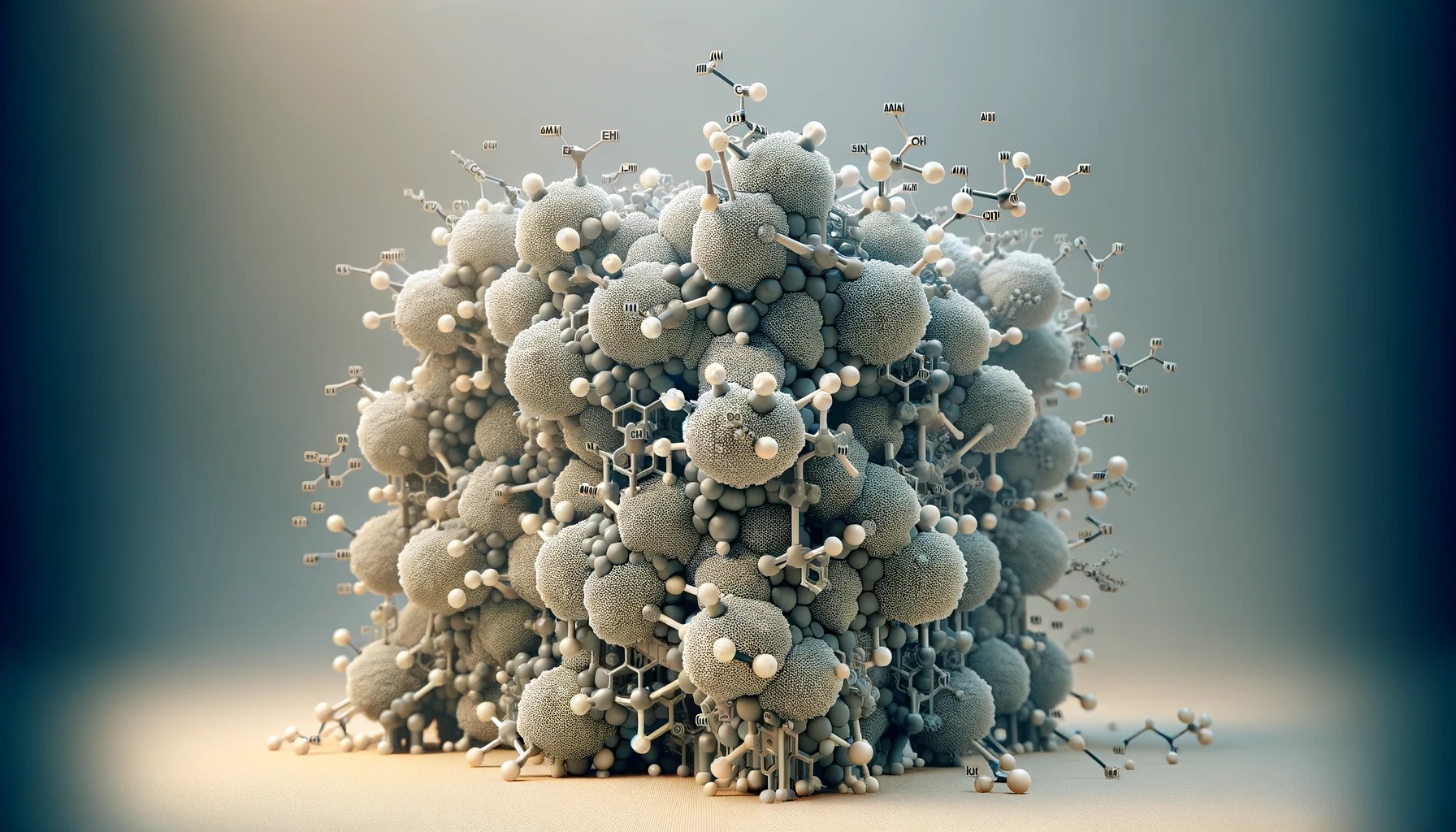
The team engineered a magnesium nitrate-activated nitrogen-doped biochar (MgNBC@MIP) composite gel. This material boasts an ultra-high selective adsorption capacity for phenolic compounds, achieving a maximum adsorption of 308.311 mg/g. The porous biochar’s aromatic structure and pore architecture were optimized to enhance affinity for phenolic pollutants, with detailed analysis revealing key adsorption mechanisms including π-π electron donor-acceptor interactions, hydrogen bonding, pore filling, and metal complexation.
The adsorption process was fine-tuned using a response surface method, accounting for variables such as pHpH is a measure of how acidic or alkaline a substance is. A pH of 7 is neutral, while lower pH values indicate acidity and higher values indicate alkalinity. Biochars are normally alkaline and can influence soil pH, often increasing it, which can be beneficial More, salinity, and the presence of humic acids. Experimental data aligned with the Langmuir isothermal model and the PSO kinetic model, confirming the effectiveness of MgNBC@MIP. Furthermore, the material demonstrated strong reusability, maintaining performance over multiple adsorption-desorption cycles.
The researchers also designed a five-stage tandem column for industrial-scale application, showcasing the potential of MgNBC@MIP in large-scale wastewater treatment. This innovative approach not only improves adsorption efficiency but also promotes sustainable practices in industrial wastewater management.



Leave a Reply