
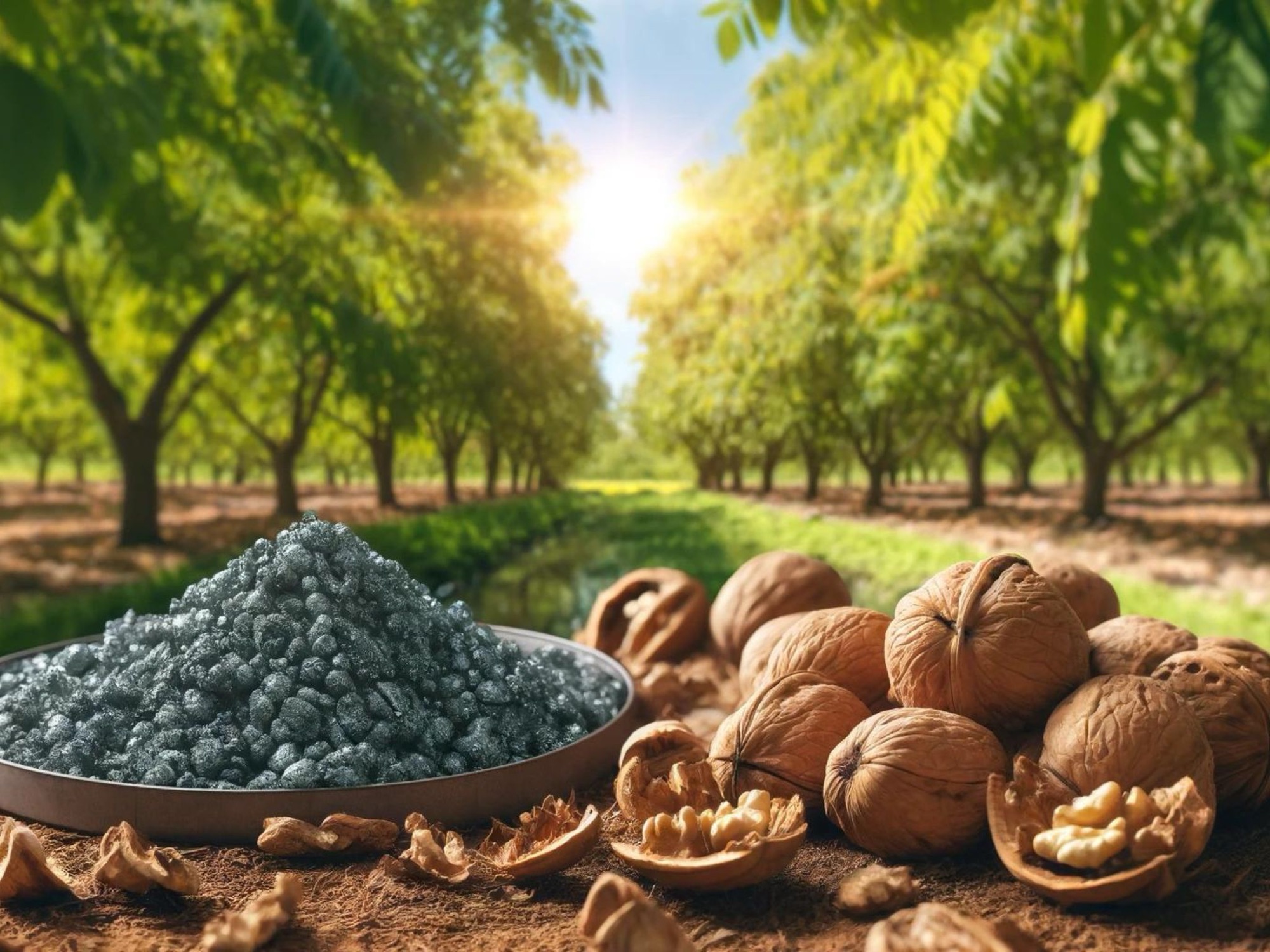
Wu, et al (2024) Rapid degradation of formaldehyde using Fe coupled with walnut shell biocharBiochar is a carbon-rich material created from biomass decomposition in low-oxygen conditions. It has important applications in environmental remediation, soil improvement, agriculture, carbon sequestration, energy storage, and sustainable materials, promoting efficiency and reducing waste in various contexts while addressing climate change challenges. More with high surface defect in Fenton-like reaction. Process Safety and Environmental Protection. https://doi.org/10.1016/j.psep.2024.04.057
The Fenton process, a popular method for treating formaldehyde-laden industrial wastewater, faces challenges such as strict pHpH is a measure of how acidic or alkaline a substance is. A pH of 7 is neutral, while lower pH values indicate acidity and higher values indicate alkalinity. Biochars are normally alkaline and can influence soil pH, often increasing it, which can be beneficial More requirements, low efficiency, and high operational costs. Addressing these issues, researchers have developed a groundbreaking Fenton-like catalyst, the Fe3-HT, which incorporates iron into walnut shell biochar. This innovative approach leverages the natural structure and chemical properties of walnut shells, significantly enhancing the degradation of formaldehyde in wastewater.
Walnut shells, known for their robust and porous nature, offer a sustainable and efficient medium for catalyst support. The integration of iron onto these shells through a solvent-free method results in a catalyst that not only supports high iron loading but also maintains the stability and accessibility of the active sites. This design allows the Fe3-HT catalyst to achieve an impressive 90% degradation rate for formaldehyde concentrations ranging from 200 to 800 mg/L, marking a significant improvement over traditional methods.
The unique composition of the catalyst, featuring carbon defects on the biochar surface, plays a vital role in stabilizing iron ions. These ions are crucial for generating the hydroxyl radicals needed for the oxidation of formaldehyde, thereby accelerating the purification process. Additionally, the catalyst’s superparamagnetic properties ensure easy recovery post-treatment, making it a practical option for continuous use.
This study not only showcases the potential of walnut shell biochar in wastewater treatment but also highlights the catalyst’s adaptability to various environmental conditions and its cost-effectiveness. By providing a solution that addresses the economic and environmental concerns of traditional Fenton processes, the Fe3-HT catalyst represents a significant advancement in the field of wastewater management, promising a more sustainable future for industrial wastewater treatment.



Leave a Reply