


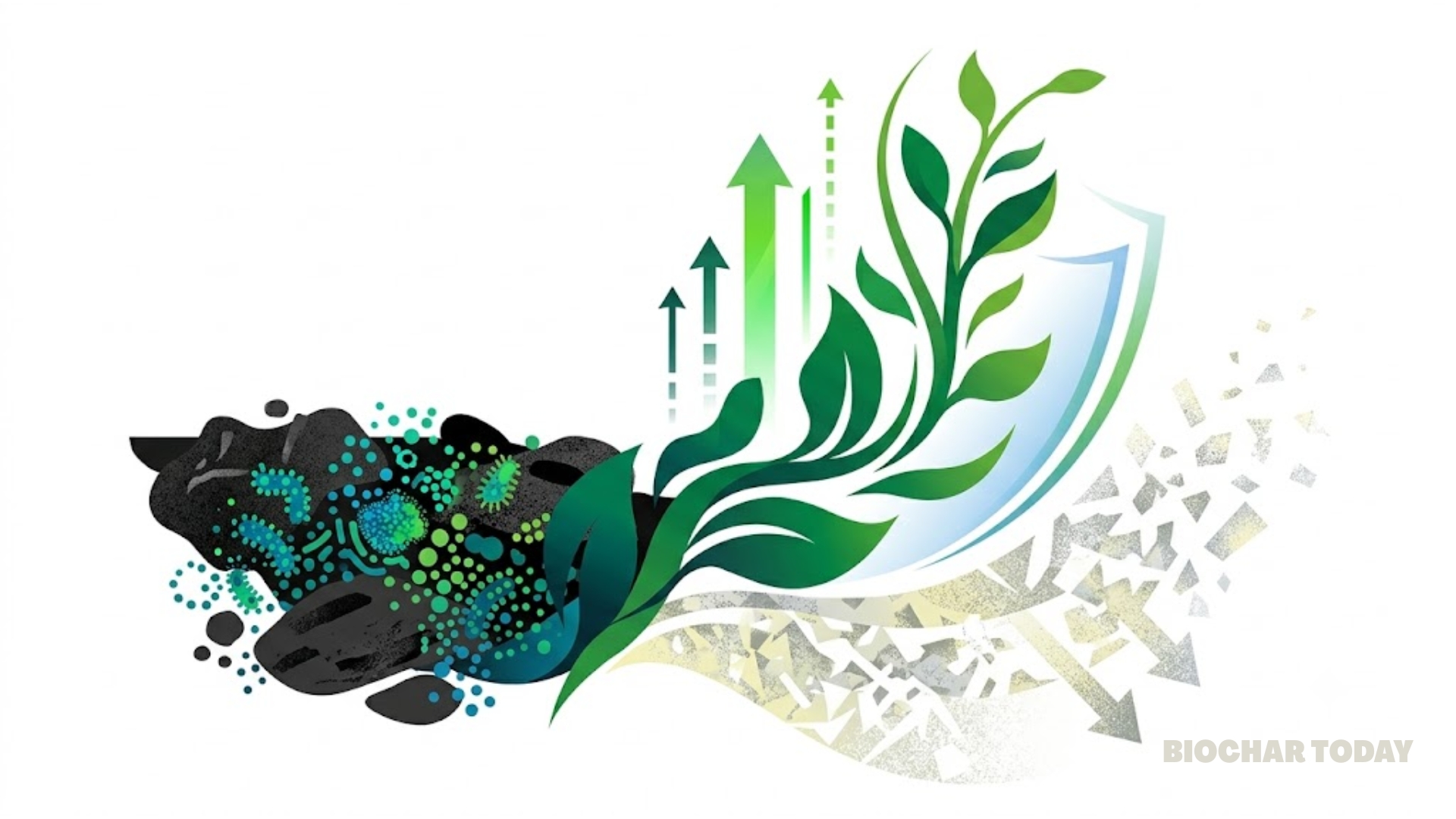
Microwave-assisted pyrolysisPyrolysis is a thermochemical process that converts waste biomass into bio-char, bio-oil, and pyro-gas. It offers significant advantages in waste valorization, turning low-value materials into economically valuable resources. Its versatility allows for tailored products based on operational conditions, presenting itself as a cost-effective and efficient More is emerging as a highly efficient method for producing engineered biochar, a promising material for wastewater treatment. Biochar’s porous structure and customizable surface properties make it an excellent adsorbent for pollutants such as heavy metals, dyes, and pharmaceuticals in wastewater. Conventional pyrolysis methods, while effective, are often slow and energy-intensive. Microwave-assisted pyrolysis overcomes these challenges by using a unique heating mechanism that enables faster, more efficient feedstockFeedstock refers to the raw organic material used to produce biochar. This can include a wide range of materials, such as wood chips, agricultural residues, and animal manure. More conversion.
The resulting biochar has a large surface area (up to 1500 m²/g), increasing its adsorption capacity for a wide range of pollutants. Activation processes, such as chemical or physical treatments, can further enhance biochar’s porosityPorosity of biochar is a key factor in its effectiveness as a soil amendment and its ability to retain water and nutrients. Biochar’s porosity is influenced by feedstock type and pyrolysis temperature, and it plays a crucial role in microbial activity and overall soil health. Biochar More and surface functionality, tailoring it to remove specific contaminants. For instance, chemical activation can introduce functional groups that target heavy metals or organic compounds, while physical activation using CO₂ or steam improves its structural properties.
Despite its potential, more research is needed to optimize biochar production and regeneration methods. Scaling up these processes for industrial applications remains a challenge, but the use of microwave-assisted pyrolysis holds promise for creating cost-effective and sustainable solutions for large-scale wastewater treatment. This method could significantly contribute to addressing global water pollution issues in a more energy-efficient and environmentally friendly way.
This blog post captures the key aspects of the article without hyperbole, providing a clear and concise overview of the research findings.



Leave a Reply