

Succession of biocharBiochar is a carbon-rich material created from biomass decomposition in low-oxygen conditions. It has important applications in environmental remediation, soil improvement, agriculture, carbon sequestration, energy storage, and sustainable materials, promoting efficiency and reducing waste in various contexts while addressing climate change challenges. More in integrated pyrolysisPyrolysis is a thermochemical process that converts waste biomass into bio-char, bio-oil, and pyro-gas. It offers significant advantages in waste valorization, turning low-value materials into economically valuable resources. Its versatility allows for tailored products based on operational conditions, presenting itself as a cost-effective and efficient More, anaerobic digestion, and solid–state fermentation towards closed loop valorization of food waste. Fuel. https://doi.org/10.1016/j.fuel.2024.131719
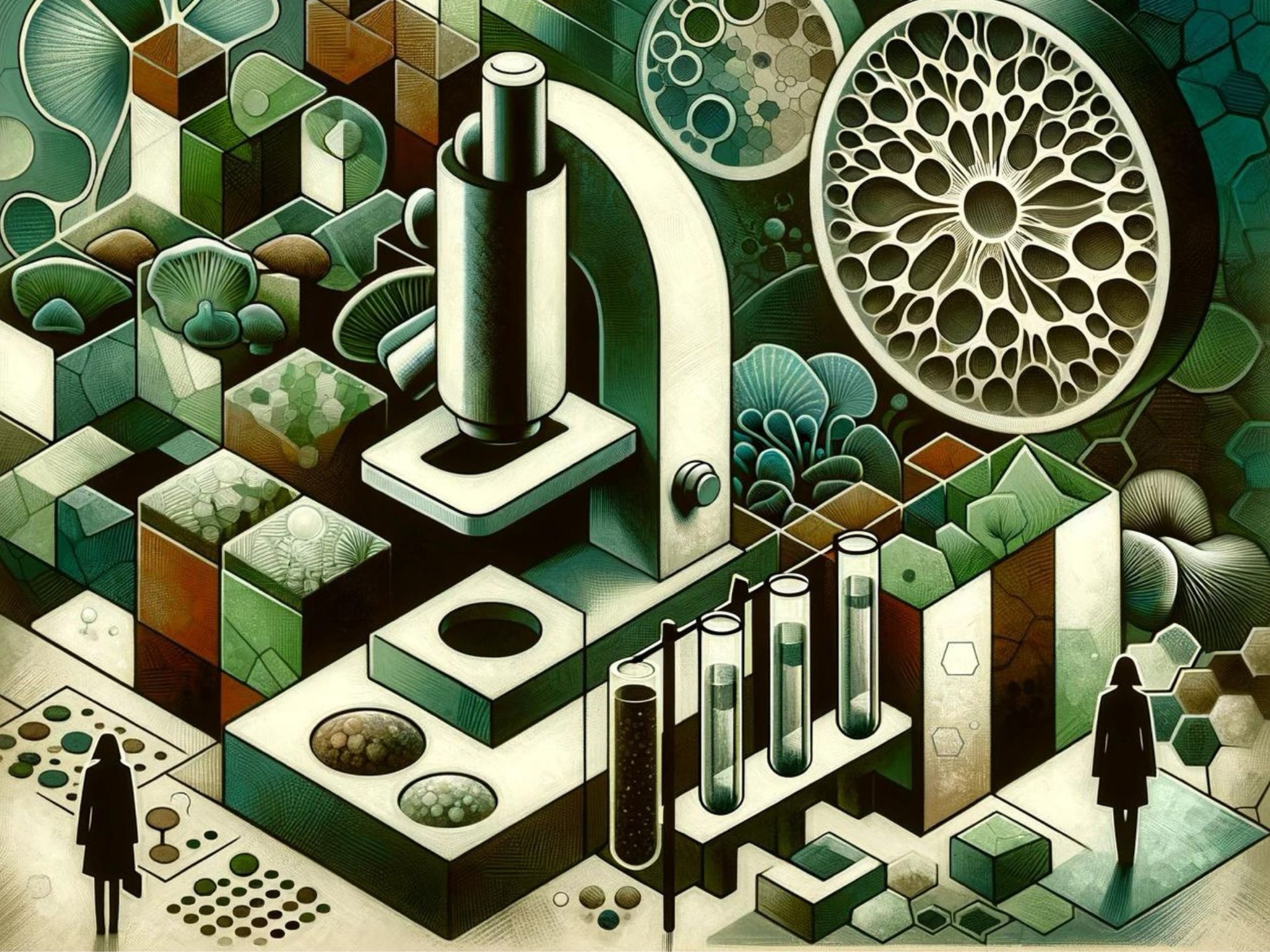
In a significant advancement in bioenergy and environmental remediation, a recent study has demonstrated the multifunctional capabilities of biochar (BC) derived from shell waste. This study explored an integrated process involving the growth of oyster mushrooms (Pleurotus ostreatus) and biogas production, leveraging the adsorptive properties of BC to create a sustainable closed-loop system for food waste management.
The study highlighted that BC effectively mitigates the toxic effects of ammonium (NH4+-N) and sodium (Na+) on the growth of mushroom mycelium. By absorbing these harmful components in the anaerobic digestate residue (ADR), BC facilitated a substantial 51.3% increase in mycelium growth rates. This enhanced growth capability, coupled with BC’s moisture retention and nutrient preservation properties, resulted in a significant 16.46% improvement in mushroom yield.
Moreover, BC’s porous structure and rich functional groups prevent heavy metal accumulation in the mushrooms, ensuring safer and higher-quality produce. The study further revealed that adding BC to the spent mushroom substrate (SMS) during anaerobic digestion notably increased methane production by 47.53%, thereby enhancing the overall energy efficiency of the process.
This research provides valuable insights into the integrated use of BC for nutrient and energy recovery from ADR, involving processes like pyrolysis, anaerobic digestion, and solid-state fermentation. The application of BC not only supports substantial methane yield improvements but also contributes to the environmental sustainability of food waste management, offering a profitable return with minimal investment. This pioneering approach not only addresses waste management challenges but also creates a viable model for sustainable agricultural and energy production.





Leave a Reply