

Atrazine (AT) and Endosulfan (ES) are widely used pesticides that pose significant environmental and health concerns due to their endocrine-disrupting, genotoxic, and persistent nature. This study explored the potential of a green synthesized BC@NiFe2O4 nanocomposite for the degradation of these pollutants in water.
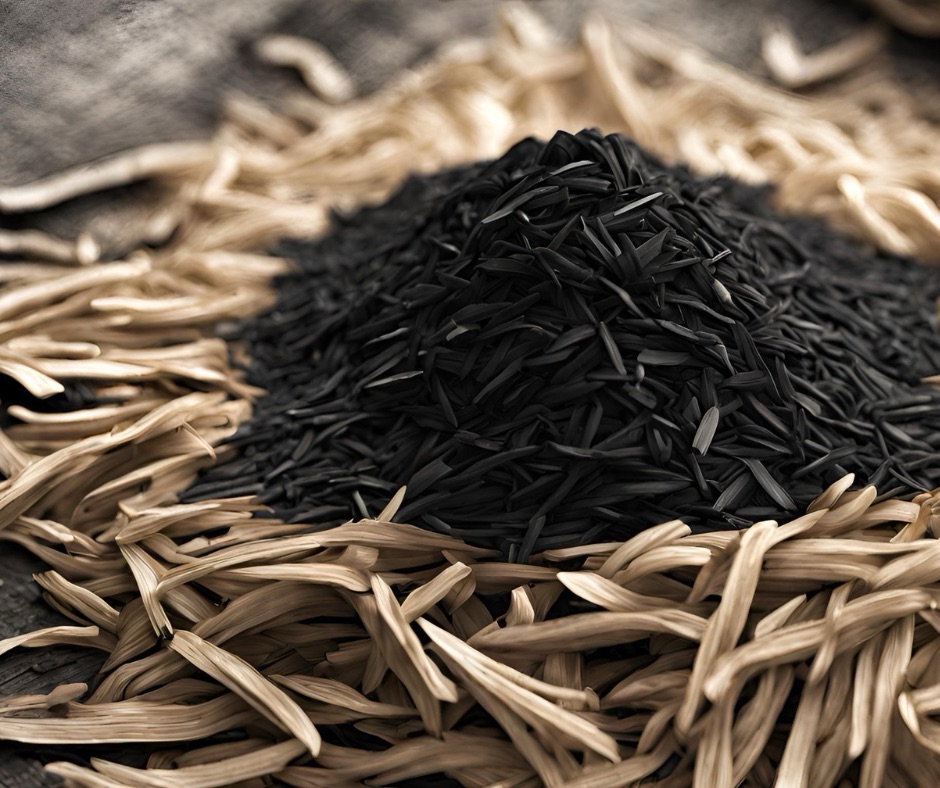
The nanocomposite was synthesized by incorporating NiFe2O4 nanoparticles onto rice husk biocharBiochar is a carbon-rich material created from biomass decomposition in low-oxygen conditions. It has important applications in environmental remediation, soil improvement, agriculture, carbon sequestration, energy storage, and sustainable materials, promoting efficiency and reducing waste in various contexts while addressing climate change challenges. More. Characterization techniques confirmed the successful formation of the composite with enhanced surface properties. Notably, the BC@NiFe2O4 nanocomposite achieved impressive degradation rates of 98% and 92% for AT and ES, respectively, under optimal conditions. This efficiency was attributed to the nanocomposite’s high negative zeta potential, narrow band gap, and the involvement of hydroxyl radicals in the degradation process.
Furthermore, the nanocomposite demonstrated remarkable reusability, maintaining its effectiveness for up to eight degradation cycles without significant activity loss. This, coupled with its green fabrication process, highlights the exceptional sustainability and cost-effectiveness of this approach.



Leave a Reply