
Yu, et al (2024) Ginkgo biloba-derived biocharBiochar is a carbon-rich material created from biomass decomposition in low-oxygen conditions. It has important applications in environmental remediation, soil improvement, agriculture, carbon sequestration, energy storage, and sustainable materials, promoting efficiency and reducing waste in various contexts while addressing climate change challenges. More loaded with FeOCl for photo-Fenton degradation of tetracycline. Materials Science in Semiconductor Processing. https://doi.org/10.1016/j.mssp.2024.108790
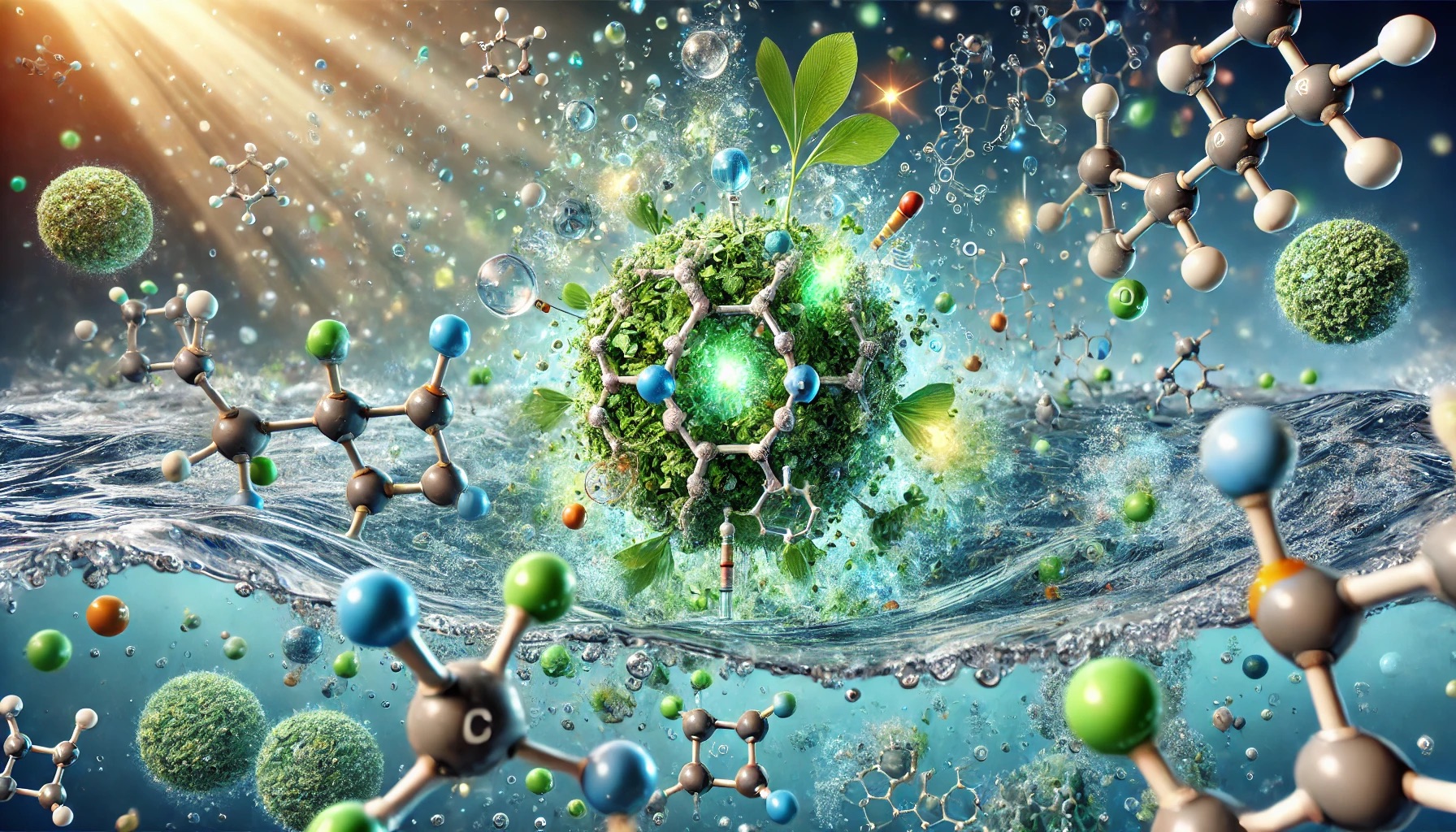
A recent study published in Materials Science in Semiconductor Processing explores a novel method for tackling antibiotic contamination in water, focusing on tetracycline (TC), a widely-used antibiotic. Researchers synthesized biochar from Ginkgo biloba leaves, loading it with FeOCl to create a series of composite catalysts using a calcination process. These catalysts were designed for use in photo-Fenton reactions, which help break down pollutants in water through the generation of hydroxyl radicals.
Among the various catalysts tested, the FOC/GBC-0.5 composite proved most effective, achieving a 97.8% TC degradation rate within 60 minutes. Its success was attributed to biochar’s ability to inhibit electron-hole recombination, a common issue with pure FeOCl catalysts. Additionally, this catalyst demonstrated excellent durability, retaining 89% of its TC removal capacity after four cycles.
The study addresses the critical need for new methods to manage antibiotic pollution, which poses risks to both ecosystems and human health. As antibiotics like TC linger in the environment for extended periods, they can contribute to the development of antibiotic-resistant bacteria. The research offers promising insights into the potential of biochar-modified FeOCl catalysts to efficiently and sustainably degrade antibiotics in water, advancing efforts in environmental protection and public health.
This innovative approach not only enhances FeOCl’s catalytic performance but also opens the door to further exploration of biochar’s role in pollution remediation.



Leave a Reply