
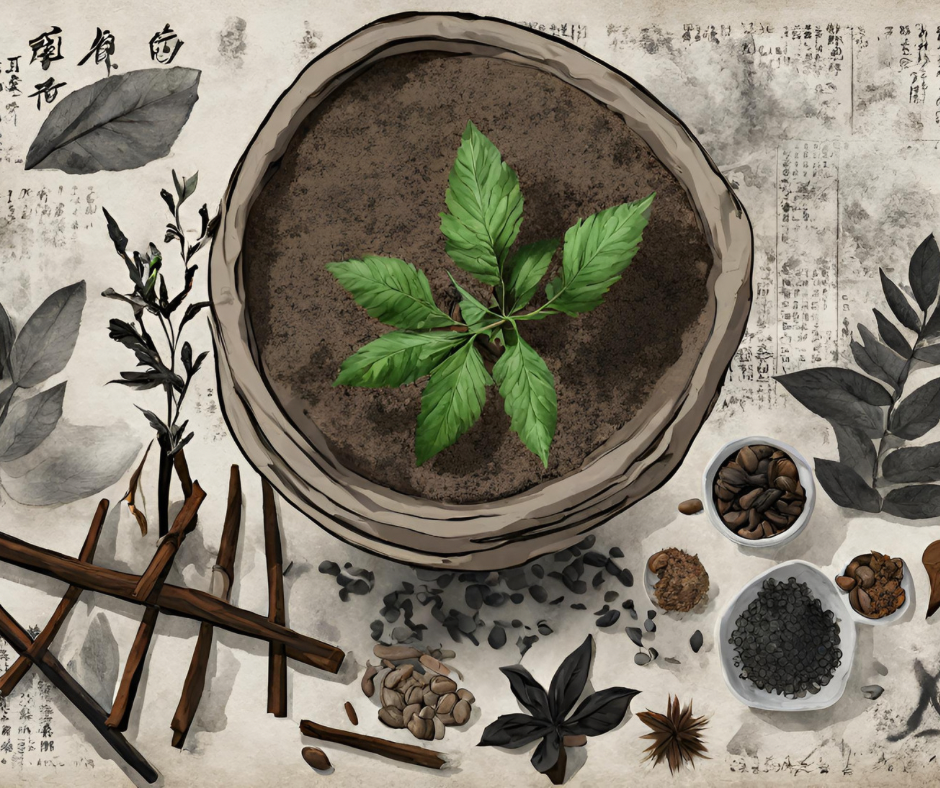
Traditionally revered for their healing properties, Chinese medicine residues may soon hold another key to our well-being: cleaning up harmful heavy metal pollution. Researchers have discovered that biocharis remarkably effective at capturing lead (Pb(II)) from soil and water.
This study delves into the remarkable transformation of five common Chinese medicine residues – Salvia miltiorrhiza, Ligusticum striatum, Angelica sinensis, Codonopsis pilosula, and Astragalus membranaceus – into potent biocharBiochar is a carbon-rich material created from biomass decomposition in low-oxygen conditions. It has important applications in environmental remediation, soil improvement, agriculture, carbon sequestration, energy storage, and sustainable materials, promoting efficiency and reducing waste in various contexts while addressing climate change challenges. More warriors. Their physicochemical properties were meticulously analyzed, revealing intricate relationships between the original plant material and the resulting biochar’s performance.
The results paint a compelling picture: biochar derived from residues with higher lignin content displayed a greater appetite for Pb(II). These alkaline warriors, boasting a stable structure and diverse functional groups, proved adept at grabbing onto the unwanted metal ions.
But the story doesn’t end there. The magic lies in the mechanisms at play. The biochar acts like a magnet, attracting Pb(II) through a combination of precipitation, complexation with oxygen-containing groups, and ion exchange. This intricate dance ultimately traps the heavy metal, preventing it from causing harm to the environment.
The implications are groundbreaking. By harnessing the hidden potential of herbal waste, we can develop sustainable solutions for a cleaner future. Biochar production from Chinese medicine residues offers a two-fold benefit: reducing waste and tackling heavy metal contamination.
This research opens a promising chapter in the fight against environmental pollution. It whispers possibilities of a future where herbal remedies not only heal our bodies but also protect our planet, reminding us that nature’s solutions often lie in the most unexpected places. So, the next time you brew a traditional tonic, remember, the residue it leaves behind may just hold the key to a healthier world.
READ MORE
Yuan, et al. (2024) Biochar derived from traditional Chinese medicine residues: An efficient adsorbent for heavy metal Pb(II). Arabian Journal of Chemistry, Vol. 17. https://doi.org/10.1016/j.arabjc.2024.105606



Leave a Reply