
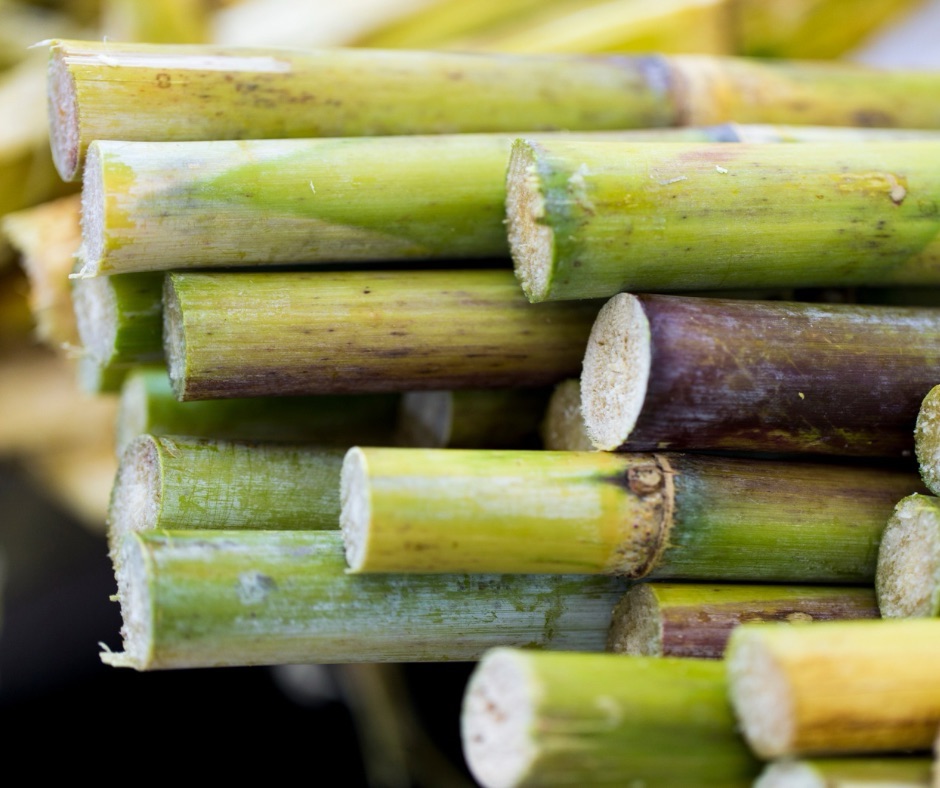

Antimony, a vital industrial element, hides a sinister side – its toxic form, antimonite, poses a serious threat to environmental and human health. This research unveils a promising solution: modifying biochar, a carbon-rich material derived from sugarcane residue (bagasse), to effectively capture and neutralize antimonite from contaminated water.
The Antimonite Threat
Antimony finds its way into our environment through mining, smelting, and other industrial processes. This toxic element, particularly antimonite, accumulates in water sources, harming aquatic life and posing severe health risks to humans, leading to organ damage and even death.
Biochar to the Rescue
Biochar, known for its porous structure and rich functionality, emerges as a powerful tool for pollutant removal. However, unmodified biochar struggles to capture negatively charged antimonite.
A Powerful Upgrade
This study introduces a two-pronged approach to enhance biochar’s antimonite-fighting abilities:
- Nitrogen dioxide (NO2) grafting: This process enriches the biochar surface with functional groups that readily bind with antimonite.
- Manganese oxide (MnOx) loading: This addition not only further boosts adsorption but also oxidizes harmful antimonite to less toxic antimony.
Optimizing the Biochar Warrior
The researchers experimented with various parameters like pyrolysisPyrolysis is a thermochemical process that converts waste biomass into bio-char, bio-oil, and pyro-gas. It offers significant advantages in waste valorization, turning low-value materials into economically valuable resources. Its versatility allows for tailored products based on operational conditions, presenting itself as a cost-effective and efficient More temperature and reagent dosages to craft the most effective biochar. Their champion, named MNBC300, prepared at 300°C with specific reagent doses, exhibited an impressive feat – capturing a staggering 142.86 milligrams of antimonite per gram of biochar! This is significantly higher than unmodified biochar and even biochar modified with just one technique.
Unveiling the Mechanism
The secret lies in a fast-acting, multi-layered chemisorption process. The NO2 and MnOx groups on MNBC300 form strong bonds with antimonite molecules, effectively trapping them. Additionally, MnOx facilitates the oxidation of antimonite to the less harmful form, further reducing its environmental impact.
A Sustainable Solution
MNBC300 shines in practical applications, performing exceptionally well even in complex water compositions. This makes it a promising candidate for:
- Remediating antimony-contaminated water: Cleaning up polluted water sources for safer drinking and environmental protection.
- Utilizing waste: Transforming sugarcane residue into a valuable resource for biochar production.
- Cost-effective approach: Offering a competitive solution for tackling the global antimony pollution challenge.
A Brighter Future
This research paves the way for a sustainable and efficient approach to combatting antimony contamination. By harnessing the power of waste biomassBiomass is a complex biological organic or non-organic solid product derived from living or recently living organism and available naturally. Various types of wastes such as animal manure, waste paper, sludge and many industrial wastes are also treated as biomass because like natural biomass these More and innovative biochar modification, MNBC300 holds immense potential for safeguarding public health and protecting our environment from this toxic threat.






Leave a Reply