
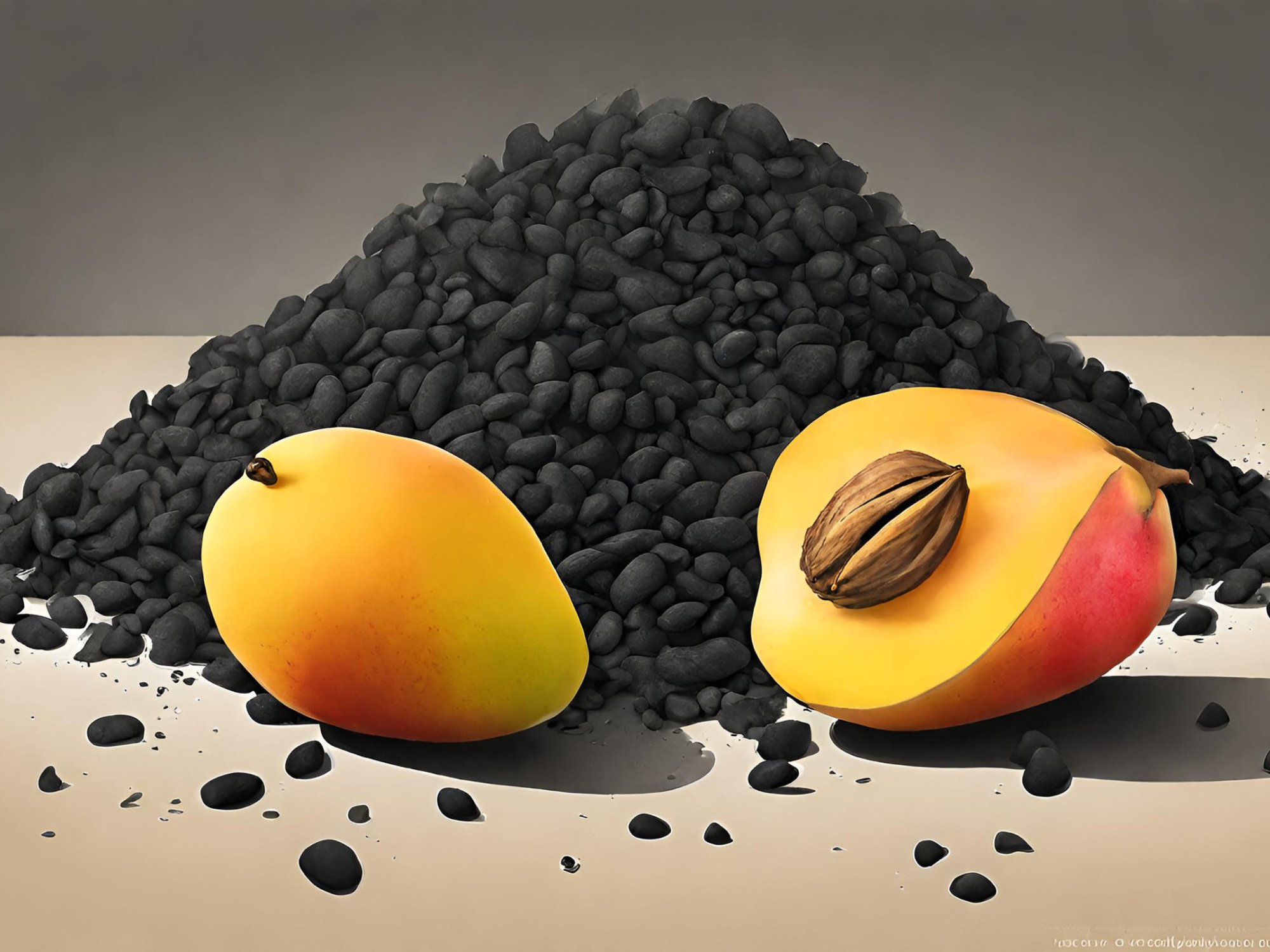

The ironmaking industry, notorious for its high energy consumption and carbon emissions, faces a pressing need for cleaner energy sources. In response, researchers have turned to biochar, a byproduct of biomassBiomass is a complex biological organic or non-organic solid product derived from living or recently living organism and available naturally. Various types of wastes such as animal manure, waste paper, sludge and many industrial wastes are also treated as biomass because like natural biomass these More pyrolysisPyrolysis is a thermochemical process that converts waste biomass into bio-char, bio-oil, and pyro-gas. It offers significant advantages in waste valorization, turning low-value materials into economically valuable resources. Its versatility allows for tailored products based on operational conditions, presenting itself as a cost-effective and efficient More, as a potential substitute for pulverized coal (PC) in blast furnace (BF) ironmaking. A recent study delved into the feasibility and environmental impact of mango pit biochar (MPB) as an alternative fuel, aiming to develop a low-ash and low-alkali metal biochar.
Through meticulous experimentation, MPB prepared at 600°C for 60 minutes demonstrated performance closest to PC, identified through principal component analysis (PCA). This optimal MPB exhibited lower ashAsh is the non-combustible inorganic residue that remains after organic matter, like wood or biomass, is completely burned. It consists mainly of minerals and is different from biochar, which is produced through incomplete combustion. Ash Ash is the residue that remains after the complete More and alkali metal content compared to PC, promising improved environmental sustainability in BF ironmaking. Co-combustion experiments further showcased MPB’s compatibility with mixed fuel, with an 80% addition ratio yielding optimal combustibility.
Moreover, a comprehensive life cycle assessment (LCA) revealed a significant reduction in global warming potential (GWP) by up to 220 kg CO2 eq/tHM when MPB completely replaced PC. These findings underscore the potential of MPB to mitigate greenhouse gas emissions and environmental impact in BF ironmaking, offering a novel pathway towards low-carbon energy solutions.
By leveraging advanced analytical techniques such as PCA and LCA, this study provides valuable insights into the properties and environmental implications of MPB as a sustainable fuel source. The research not only addresses the critical need for greener alternatives in the steel industry but also highlights the potential for waste biomass utilization and environmental stewardship in industrial processes.
In conclusion, the exploration of mango pit biochar represents a significant step towards sustainable ironmaking practices, offering promise for reducing carbon footprint and fostering environmental responsibility in the steel industry.





Leave a Reply