
Key Takeaways
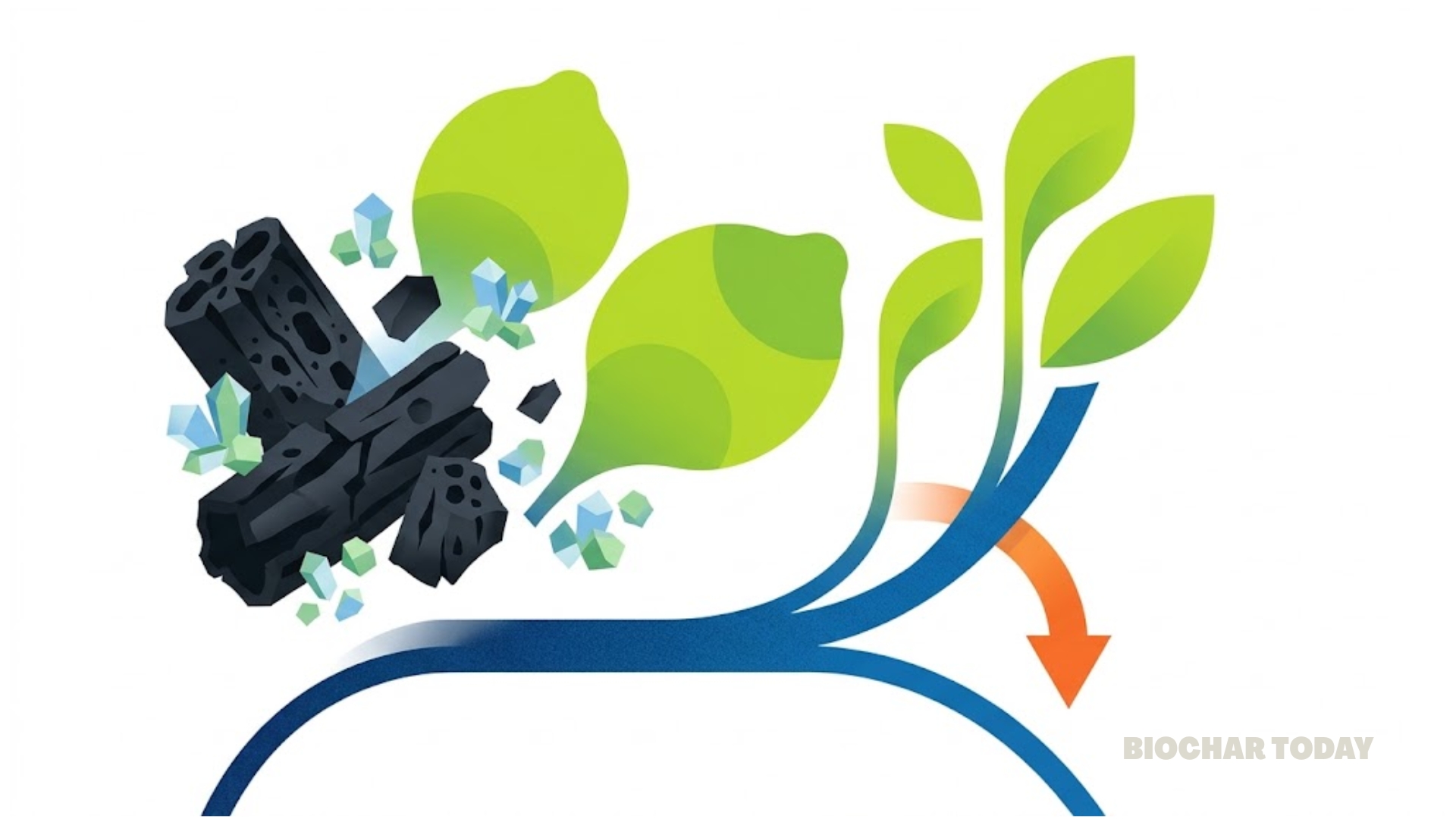
- Adding biocharBiochar is a carbon-rich material created from biomass decomposition in low-oxygen conditions. It has important applications in environmental remediation, soil improvement, agriculture, carbon sequestration, energy storage, and sustainable materials, promoting efficiency and reducing waste in various contexts while addressing climate change challenges. More or zeolite to poultry litter creates a powerful organic fertilizer that significantly improves the health and productivity of lime trees.
- These natural soil additives allow farmers to reduce their use of chemical nitrogen fertilizers by 50 percent without losing any crop yield.
- Lime trees grown with these organic mixtures produce more fruit, and that fruit has higher levels of vitamin C and better juice quality.
- Using these materials helps sandy soils hold onto nutrients better, preventing them from washing away and protecting the environment.
- This sustainable farming method is an effective way to reclaim poor-quality land and ensure long-term food security.
In the study published in Scientific Reports, researchers Shimaa Hosny Gaber, Abu El-Eyuoon Abu Zied Amin, Mohamed F. A. Farghly, Abdallah M. Barakat, and Khaled Ahmed Farghly evaluated how different soil amendments impact the growth and fruit quality of acid lime trees. The experiment was conducted over two years in Egypt, specifically targeting the challenges of calcareous sandy soils. These types of soils are often poor in nutrients and struggle to hold onto water and fertilizers, leading to inefficiencies and environmental risks. By testing combinations of poultry litter, biochar, and zeolite, the team aimed to find a more sustainable way to nourish these perennial citrus crops while reducing the heavy reliance on synthetic chemical fertilizers.
The results of the field experiment were highly promising for sustainable agriculture. In the first season, the application of zeolite-amended poultry litter significantly improved the availability of nitrogen in the soil compared to using 100 percent chemical fertilizers. Phosphorus and potassium levels also saw significant boosts when biochar or zeolite were mixed into the poultry litter. These amendments essentially acted as sponges, trapping essential nutrients in the root zone and preventing them from leachingLeaching is the process where nutrients are dissolved and carried away from the soil by water. This can lead to nutrient depletion and environmental pollution. Biochar can help reduce leaching by improving nutrient retention in the soil. More away through the sandy soil. This increased nutrient availability directly translated to the trees’ physical development, as shown by improved shoot length, leaf number, and higher chlorophyll content in the foliage.
Yield components were among the most impressive findings of the study. The highest acid lime yields were consistently obtained from the treatments using poultry litter amended with either biochar or zeolite in combination with only half the usual amount of mineral nitrogen. These treatments recorded yields as high as 15.84 tons per hectare in the first season and up to 16.26 tons per hectare in the second season. These figures outperformed the standard practice of using 100 percent mineral nitrogen, which only yielded 14.71 tons per hectare in the second season. The fruit set percentage, which measures how many flowers successfully turn into fruit, also peaked under these organic-mineral combinations, reaching over 10 percent in the zeolite treatment group.
Fruit quality also saw a marked improvement that would benefit both consumers and the pharmaceutical industry. The study found that the physical weight of individual fruits increased significantly, with zeolite-amended poultry litter producing the heaviest limes at over 33 grams each. Furthermore, the chemical composition of the juice was superior. Limes grown with biochar or zeolite amendments had the highest values for total soluble solids, total acidity, and vitamin C content. This is particularly important for acid lime, which is globally recognized for its nutritional and medicinal advantages. The presence of these amendments ensured that the fast-growing lime plants received a steady supply of nourishment throughout the season.
The researchers concluded that this integrated approach offers a sustainable and environmentally friendly alternative to conventional fertilization. By partially substituting mineral nitrogen with poultry litter amended with biochar or zeolite, farmers can maintain and even enhance their crop productivity. This strategy not only reduces the cost and environmental impact of chemical fertilizers but also improves the long-term resilience and quality of the soil. The study recommends that for citrus orchards in similar soil conditions, applying 10 kilograms of amended poultry litter per tree, alongside a reduced dose of ammonium nitrate, is an ideal formula for achieving high-quality fruit yields.
Source: Gaber, S. H., Amin, A. E. E. A. Z., Farghly, M. F. A., Barakat, A. M., & Farghly, K. A. (2026). Effect of poultry litter amended with biochar or zeolite on nutrient availability, fruit quality, and yield of acid lime in calcareous sandy soil. Scientific Reports, 16(1), 12856.



Leave a Reply