


Per- and poly-fluoroalkyl substances (PFAS), commonly found in everyday products, persist in the environment due to their robust molecular structure, leading to widespread contamination of water sources. Recognized for their adverse health impacts, the urgent need for effective PFAS removal strategies is evident. Among various treatment methods, adsorption emerges as a cost-effective solution, with biochar playing a pivotal role due to its eco-friendly nature and economic viability.
Biochar, derived from organic materials through pyrolysisPyrolysis is a thermochemical process that converts waste biomass into bio-char, bio-oil, and pyro-gas. It offers significant advantages in waste valorization, turning low-value materials into economically valuable resources. Its versatility allows for tailored products based on operational conditions, presenting itself as a cost-effective and efficient More, exhibits significant potential in adsorbing contaminants from water. However, its effectiveness is contingent upon specific preparation conditions, such as the pyrolysis environment, activation techniques, and further modifications. This review highlights how these factors influence the adsorption capabilities of biochar, particularly against PFAS.
Recent studies underscore the superior performance of activated biochars over their pristine counterparts, owing to enhanced surface properties that facilitate better contaminant uptake. Furthermore, biochar composites have been identified to possess even higher adsorption efficiencies, offering promising avenues for future research.
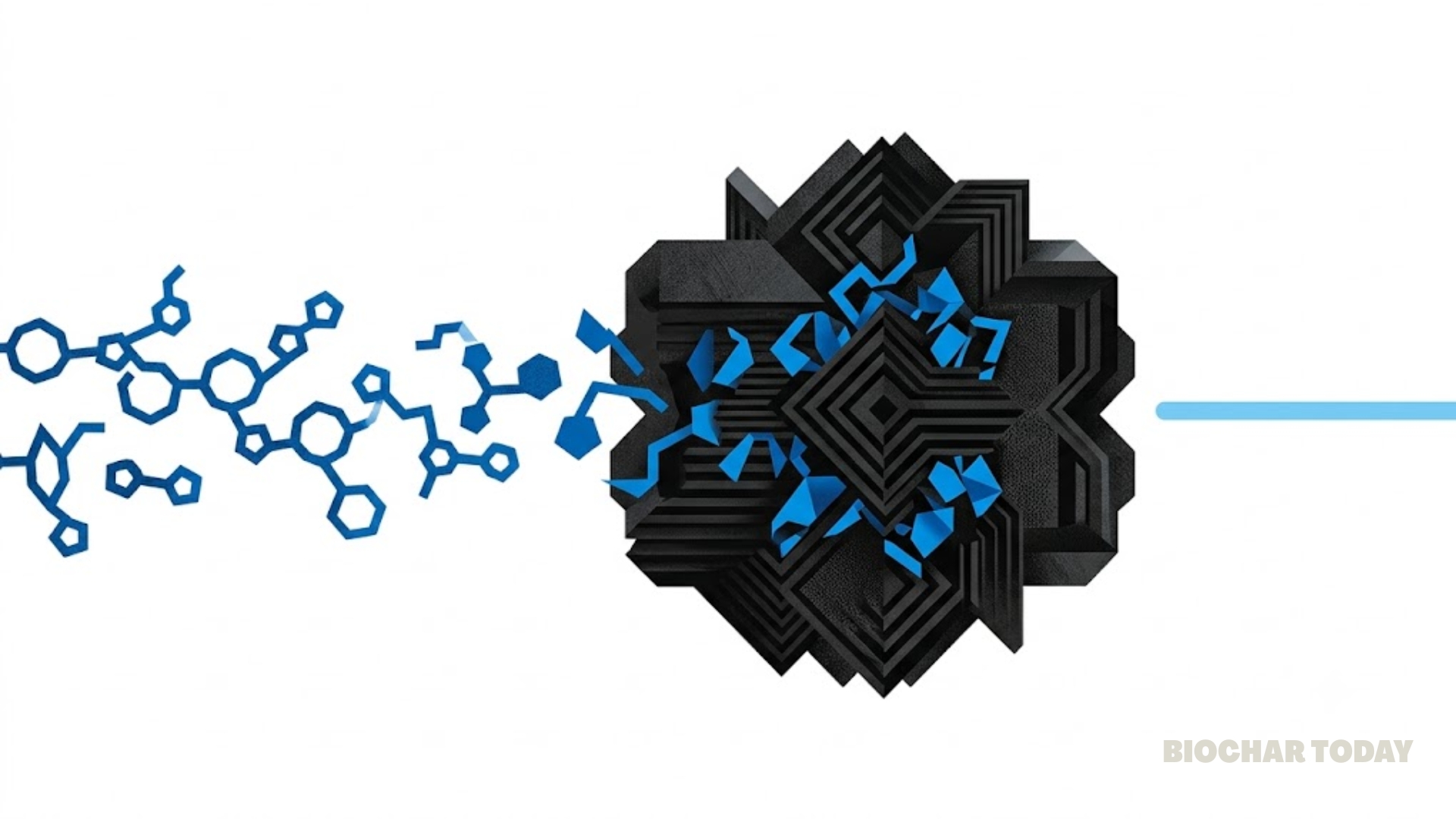
The mechanisms of PFAS adsorption on biochar are explored, detailing the interactions between the biochar surface and PFAS molecules. Modifications in biochar production are crucial in optimizing these interactions, thereby improving the adsorption capacity. The review also discusses the potential of biochar to target both long-chain and emerging short-chain PFAS, which are notoriously harder to remove.
Given the escalating research interest and the publication surge in 2023, this comprehensive review not only synthesizes current knowledge but also sets the stage for future innovations in PFAS remediation using biochar. As environmental regulations tighten and the need for sustainable solutions grows, biochar’s role in water purification technologies becomes increasingly vital. This review serves as a fundamental resource for researchers aiming to enhance biochar’s efficiency in PFAS adsorption, ultimately contributing to safer water supplies globally.



Leave a Reply