
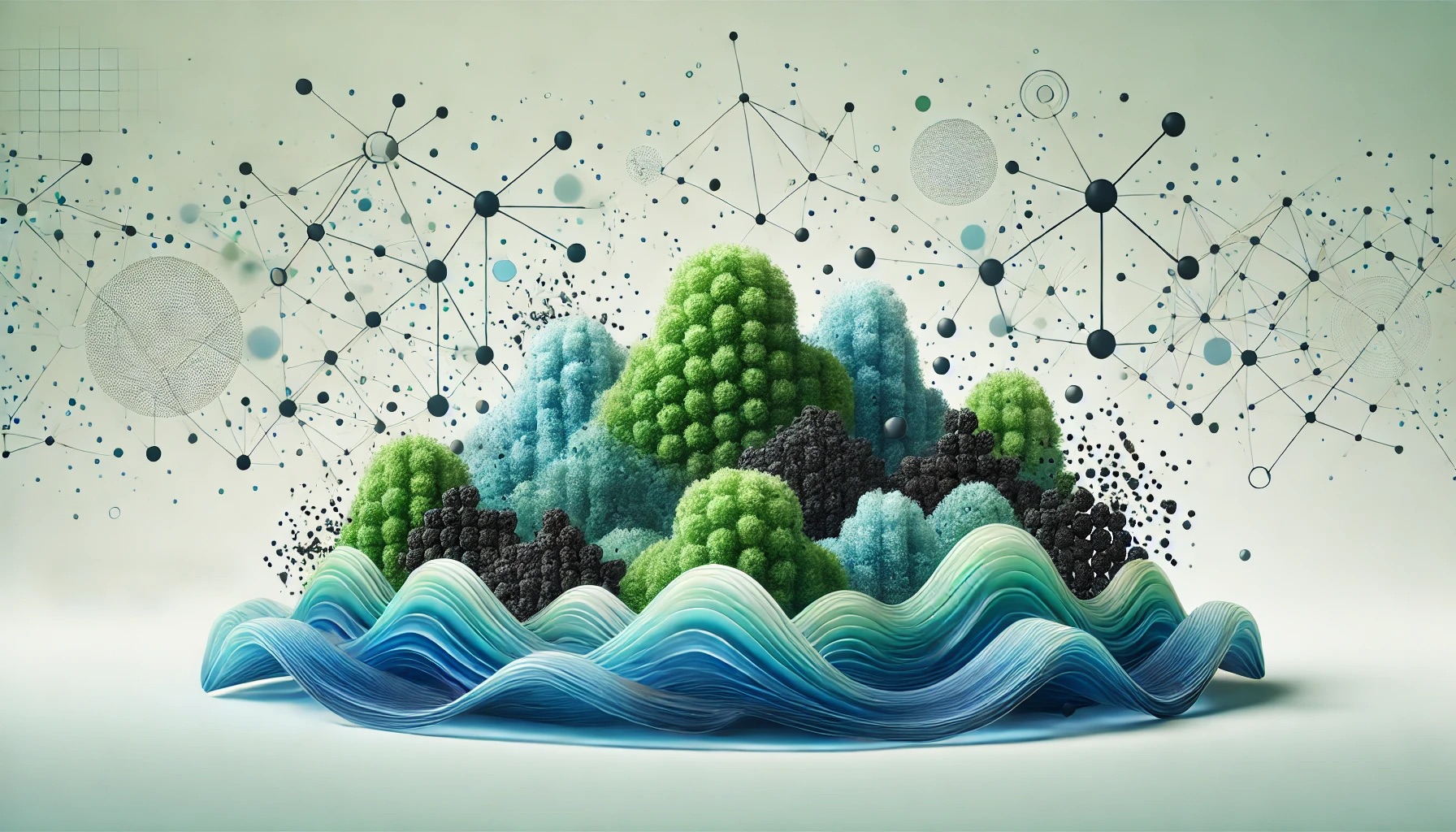

A recent review in Separation and Purification Technology highlights the promising role of algae-derived biochar (ABC) as a catalyst for water purification. Algae, known for their ability to fix carbon, nitrogen, and phosphorus using solar energy, can be converted into biochar, a carbon-rich substance with significant potential for removing pollutants from water. ABC, particularly effective in advanced oxidation processes, has demonstrated success in photocatalysis and persulfate activation.
This review emphasizes the synthesis methods of ABC and investigates the mechanisms responsible for the generation of oxidizing species. It also explores the increasing role of machine learning (ML) in optimizing ABC production and improving pollutant removal. ML models have shown promise in predicting biochar yields and enhancing the overall efficiency of biochar technology.
However, challenges remain. While ABC presents a low-cost, effective alternative to traditional water treatment materials, its large-scale application raises concerns. Environmental and health risks associated with the production and use of biochar, including the potential release of heavy metals and organic pollutants, require careful consideration.
The review concludes with a call for further research into the practical applications of ABC, stressing the importance of ML in refining biochar production processes. The integration of these technologies could pave the way for more sustainable, large-scale water treatment solutions.



Leave a Reply