
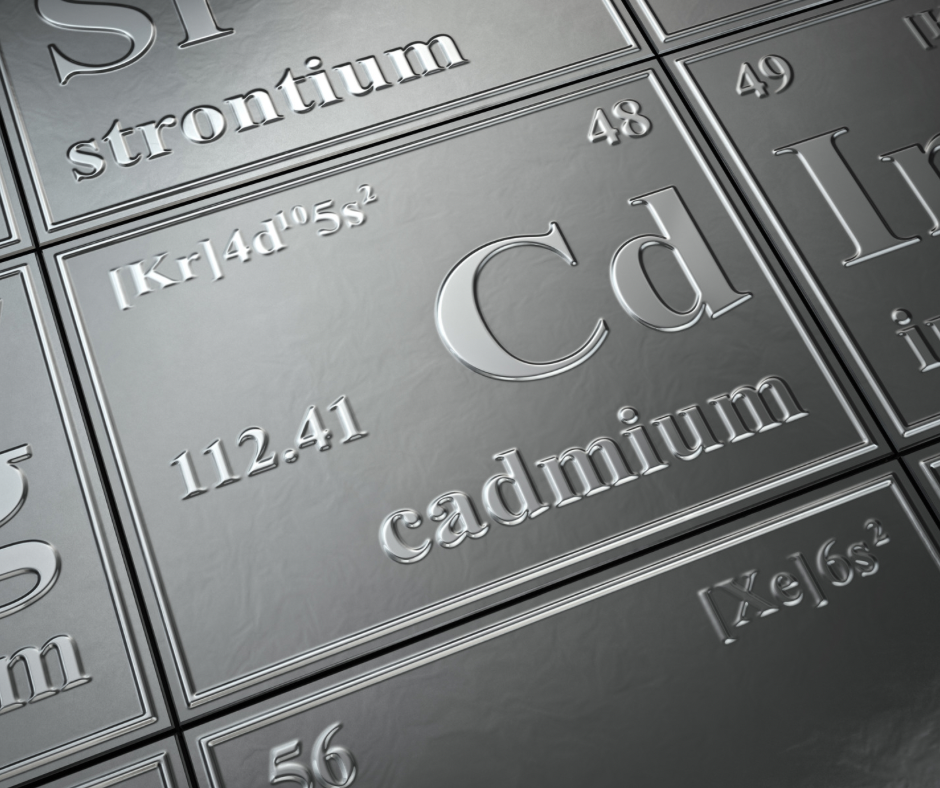
Cadmium (Cd) is a highly toxic heavy metal that poses a significant threat to human health and aquatic ecosystems. Traditional methods for Cd removal from water, such as chemical precipitation and membrane filtration, often have limitations, including high cost and sludge generation. BiocharBiochar is a carbon-rich material created from biomass decomposition in low-oxygen conditions. It has important applications in environmental remediation, soil improvement, agriculture, carbon sequestration, energy storage, and sustainable materials, promoting efficiency and reducing waste in various contexts while addressing climate change challenges. More has emerged as a promising alternative due to its high adsorption capacity, low cost, and eco-friendliness.
This study investigated the potential of biochar derived from the euhalophyte Salicornia europaea for Cd removal from aqueous solutions. Euhalophytes are salt-tolerant plants that thrive in harsh environments like coastal wetlands and have the ability to accumulate metals from the soil. The researchers hypothesized that biochar derived from these plants would inherit their metal-binding properties and be effective for Cd adsorption.
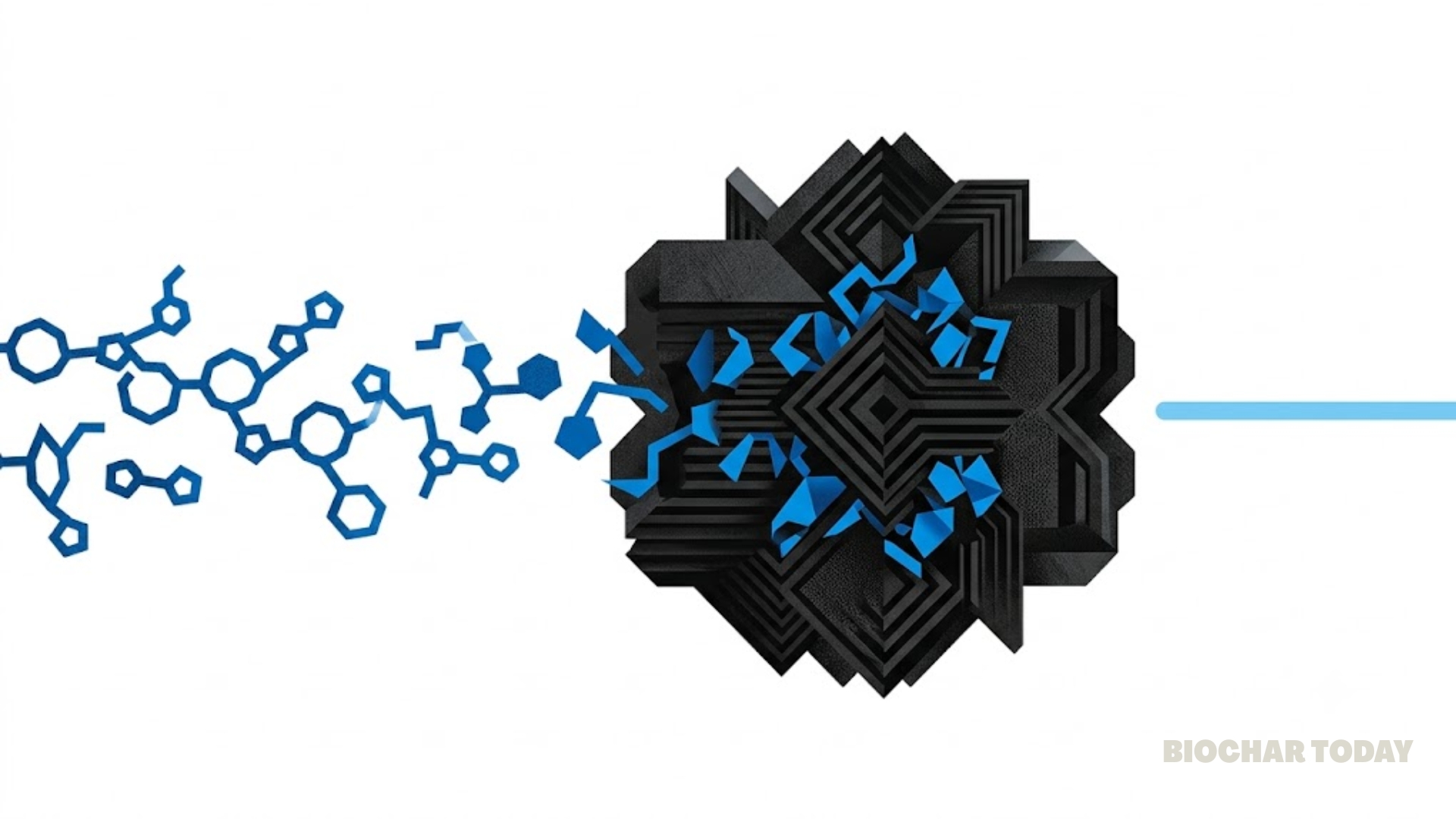
The results confirmed their hypothesis. The S. europaea biochar exhibited a high specific surface area, abundant base cations (e.g., calcium and magnesium), and a low negative surface charge, all of which contribute to its strong adsorption capacity for Cd. The adsorption process involved both surface adsorption, where Cd binds to the biochar’s surface, and intraparticle diffusion, where Cd penetrates the biochar’s pores.
Furthermore, the researchers identified several mechanisms responsible for Cd adsorption onto the biochar. These included precipitation of Cd with carbonate ions present in the biochar, ion exchange between Cd and other cations on the biochar’s surface, complexation between Cd and functional groups on the biochar, and cation-π interactions. Notably, precipitation of CdCO3 was found to be the dominant mechanism, highlighting the importance of carbonate content in the biochar for Cd removal.
Overall, this study demonstrates the promising potential of euhalophyte biochar, particularly S. europaea biochar, for remediating Cd contamination in water. Its high adsorption capacity, effectiveness through multiple mechanisms, and natural origin make it an attractive option for sustainable and environmentally friendly water treatment. Further research is needed to optimize the biochar production process and scale up its application for real-world water remediation.
READ MORE
Ge, et al (2024) Exploring adsorption capacity and mechanisms involved in cadmium removal from aqueous solutions by biochar derived from euhalophyte. Scientific Reports, Vol 14. https://doi.org/10.1038/s41598-023-50525-2



Leave a Reply