
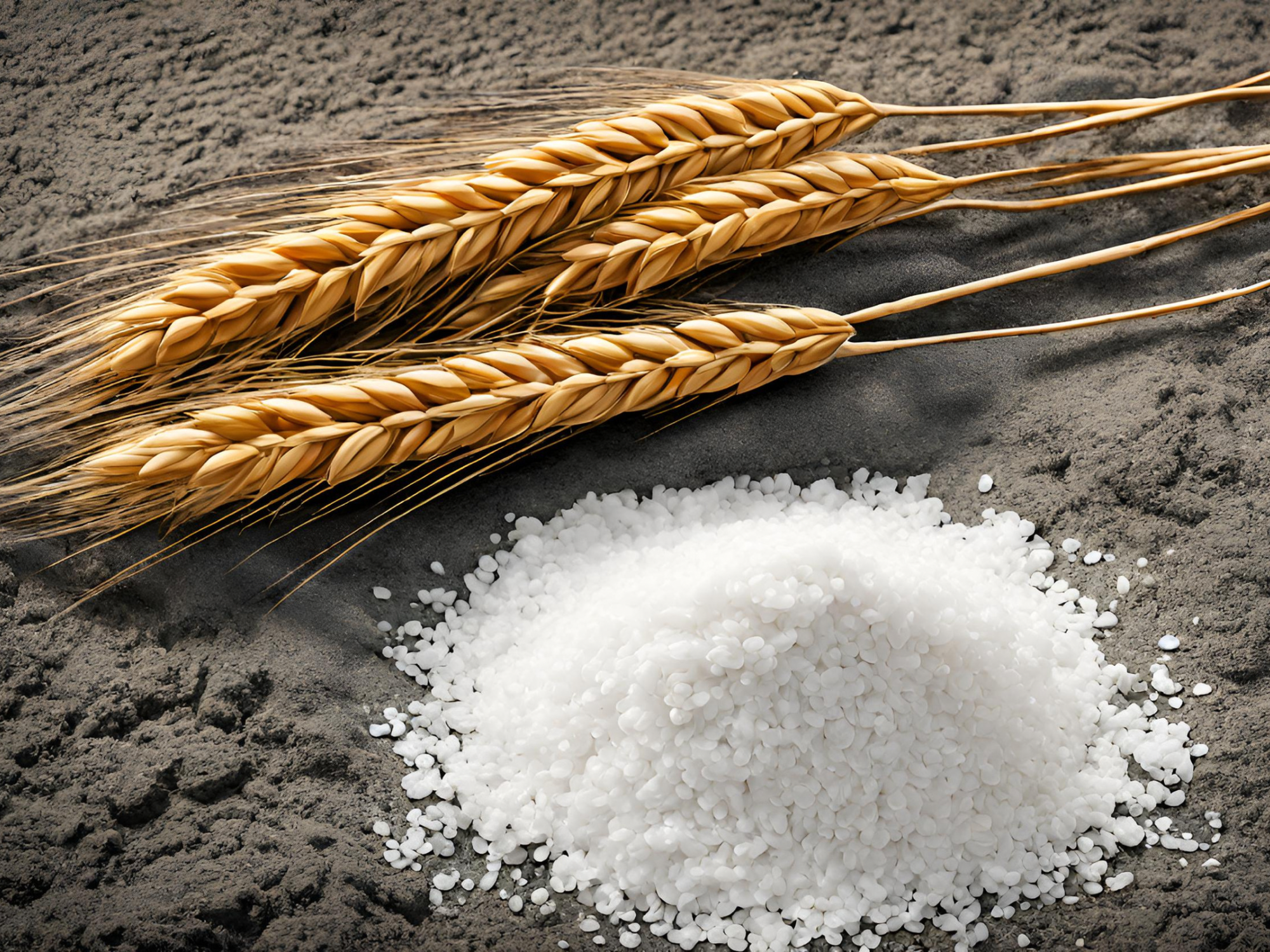
Gill, Ramzan, et al (2024) Effect of silicon nanoparticle-based biocharBiochar is a carbon-rich material created from biomass decomposition in low-oxygen conditions. It has important applications in environmental remediation, soil improvement, agriculture, carbon sequestration, energy storage, and sustainable materials, promoting efficiency and reducing waste in various contexts while addressing climate change challenges. More on wheat growth, antioxidants and nutrients concentration under salinity stress. Scientific Reports. https://doi.org/10.1038/s41598-024-55924-7
Soil salinity poses a significant challenge to agriculture, hampering crop productivity by impeding various physiological processes in plants. This includes inhibition of leaf expansion, decreased photosynthesis, and disruption in nutrient uptake, exacerbating oxidative stress through the generation of reactive oxygen species (ROS). In response to this critical issue, the application of biochar, a carbon-rich organic amendment, is gaining traction due to its ability to enhance soil properties and promote microbial activity.
Biochar, derived from the pyrolysisPyrolysis is a thermochemical process that converts waste biomass into bio-char, bio-oil, and pyro-gas. It offers significant advantages in waste valorization, turning low-value materials into economically valuable resources. Its versatility allows for tailored products based on operational conditions, presenting itself as a cost-effective and efficient More of biomassBiomass is a complex biological organic or non-organic solid product derived from living or recently living organism and available naturally. Various types of wastes such as animal manure, waste paper, sludge and many industrial wastes are also treated as biomass because like natural biomass these More, improves soil structure, water retention, and nutrient availability, thereby fostering plant growth and yield. Moreover, it stimulates soil microbial activity, facilitating nutrient cycling and root exudation. Alongside biochar, silicon (Si) has emerged as a promising element for mitigating salinity stress. Si enhances plant physiology, including photosynthesis and nutrient management, while promoting root growth and cell wall integrity.
In a recent study, the synergistic effects of silicon nanoparticle-based biochar (Si-BC) on wheat cultivation in saline soils were investigated. The research aimed to address the knowledge gap regarding the potential of Si-BC in alleviating salinity stress and enhancing wheat growth. Results indicated that the application of 2.5% Si-BC significantly improved various growth parameters of wheat, including shoot and root length, biomass, leaf number, and spike characteristics, under both normal and saline conditions (200 mM NaCl).
Furthermore, Si-BC treatment demonstrated a notable increase in chlorophyll content, carotenoids, and relative water content, highlighting its effectiveness in mitigating salinity-induced oxidative stress. These findings underscore the potential of Si-BC as a sustainable solution for enhancing crop resilience in salt-affected soils. Further research at the field level is recommended to validate these findings and explore the broader applicability of Si-BC in diverse cropping systems under varying climatic conditions. Through innovative approaches like Si-BC application, agriculture can stride towards sustainable and resilient practices to combat the challenges posed by soil salinity.





Leave a Reply