

Han, et al (2024) Carbon sequestration potential of biocharBiochar is a carbon-rich material created from biomass decomposition in low-oxygen conditions. It has important applications in environmental remediation, soil improvement, agriculture, carbon sequestration, energy storage, and sustainable materials, promoting efficiency and reducing waste in various contexts while addressing climate change challenges. More in soil from the perspective of organic carbon structural modification. Applied Soil Ecology. https://doi.org/10.1016/j.apsoil.2024.105389
In recent studies, biochar’s application to soil has been identified as a promising strategy for mitigating global warming through enhanced carbon sequestration. The substance, derived from biomassBiomass is a complex biological organic or non-organic solid product derived from living or recently living organism and available naturally. Various types of wastes such as animal manure, waste paper, sludge and many industrial wastes are also treated as biomass because like natural biomass these More resources, is primarily known for its ability to influence the mineralization of native soil organic carbon (nSOC), yet its effects on the structural dynamics of soil organic carbon (SOC) have been less explored. Through incubation experiments with biochar produced at varying temperatures (300°C, 450°C, and 600°C), significant insights were gained into the relationship between biochar application and shifts in SOC structure.
The findings revealed that biochar introduces an “inhibitory concentration” effect on soil microorganisms, enhancing microbial richness and diversity at lower concentrations (1%) while reducing them at higher concentrations (3%). This variation in microbial activity corresponded with improvements in soil nutrient conditions. Additionally, biochar treatment led to an increase in humic acid- and humin-like fractions within the soil, with a concomitant reduction in fulvic acid-like components. Such changes, particularly at biochar preparation temperatures of 300°C and 450°C, enriched the soil with aromatic-type species like lignin, which are crucial for soil nutrient improvement and microbial community structure alterations.
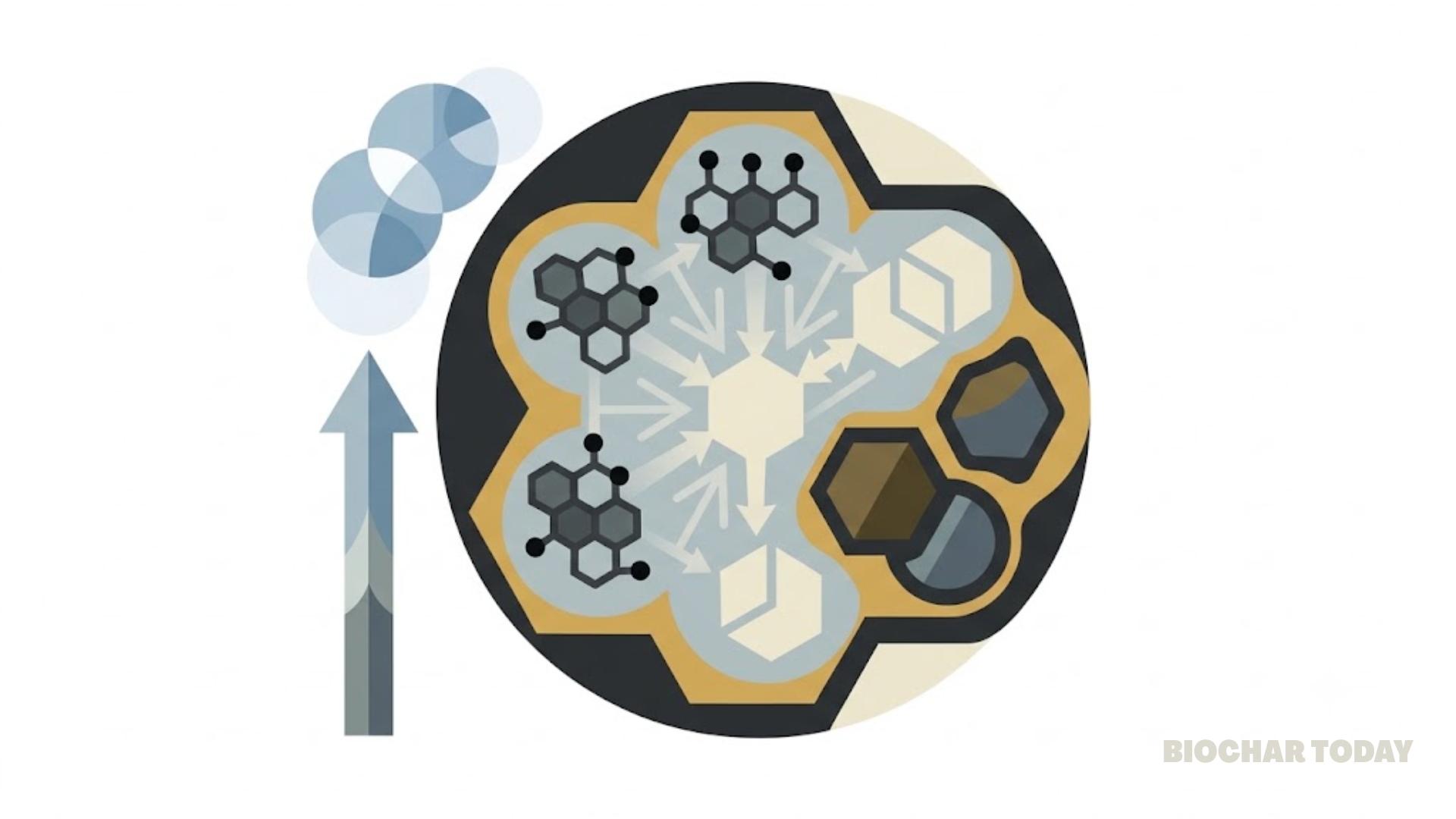
The study also underscored the role of biochar in stabilizing SOC through its negative priming effect, which was significantly explained by changes in the content of fulvic and humic acid-like components. By stabilizing carbon in the soil, biochar reduces SOC mineralization, thus holding back CO2 release into the atmosphere. This investigation into the carbon sequestration potential of biochar offers valuable insights into the compound’s capacity to modify SOC structure, showcasing its importance in the global effort to combat climate change through soil management strategies.





Leave a Reply