
Zhang, et al (2024) BiocharBiochar is a carbon-rich material created from biomass decomposition in low-oxygen conditions. It has important applications in environmental remediation, soil improvement, agriculture, carbon sequestration, energy storage, and sustainable materials, promoting efficiency and reducing waste in various contexts while addressing climate change challenges. More Application Combined with Water-Saving Irrigation Enhances Rice Root Growth and Nitrogen Utilization in Paddy Fields. Agronomy. https://doi.org/10.3390/agronomy14050889
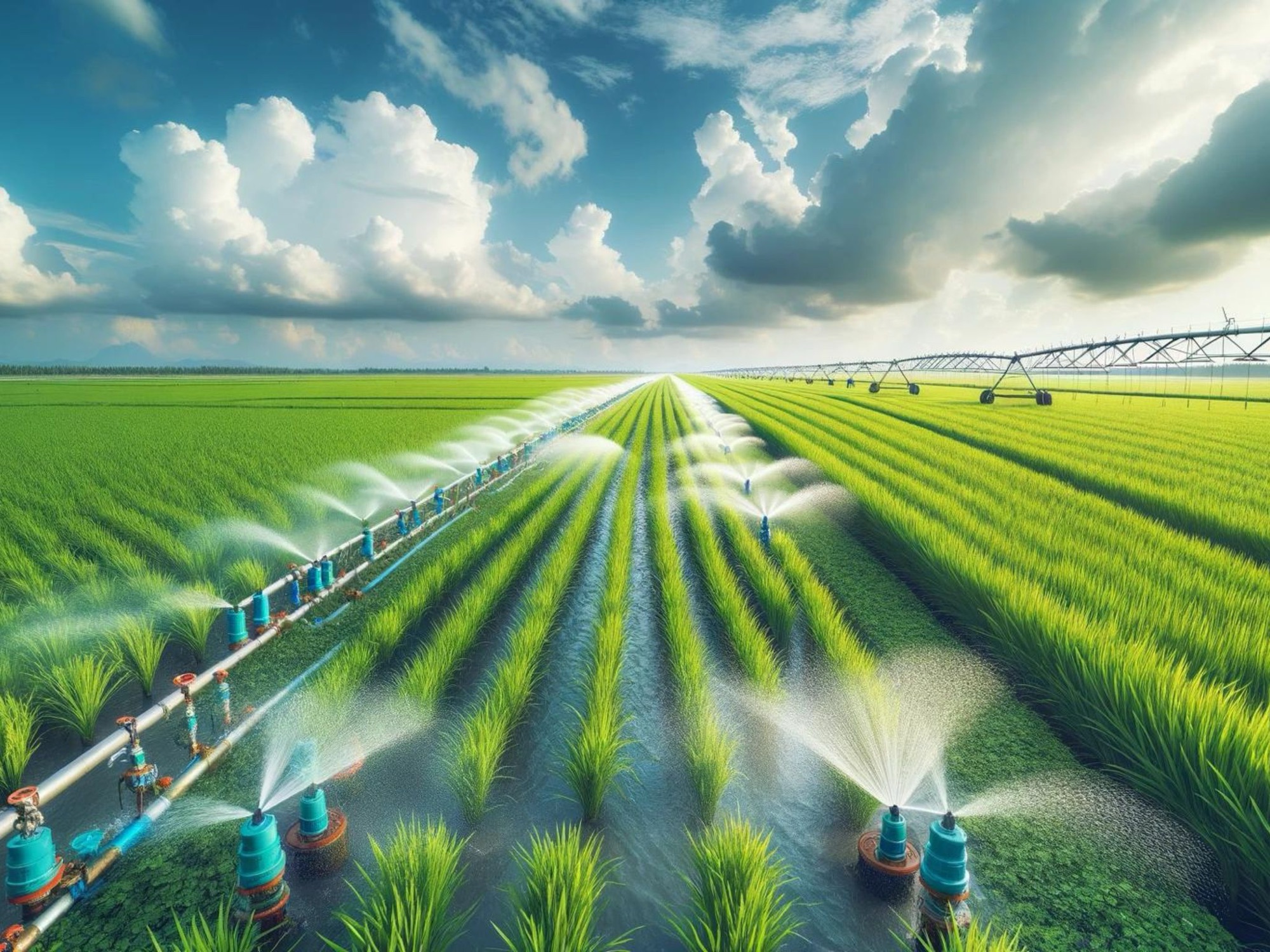
In Northeast China’s fertile black soil regions, innovative agricultural practices are being explored to enhance rice yields and nitrogen use efficiency (NUE). A recent study focused on the dual application of biochar and controlled water-saving irrigation (WSI) methods to optimize rice cultivation. This study, utilizing field experiments and 15N tracer micro-area investigations, tested four different treatments varying in biochar application rates, with flooded irrigation as a control.
The findings revealed that biochar significantly improves the morphological and physiological characteristics of rice roots, which includes increased root length, volume, and activity. These enhancements not only promote healthier root systems but also improve the plant’s ability to absorb both fertilizer-derived and soil nitrogen, crucial for plant nutrition. Notably, the treatment with a biochar application rate of 12.5 tons per hectare yielded the best results, including a 16.45% increase in rice yields and up to 39.42% improvement in NUE compared to the traditional flooded irrigation method.
These promising outcomes highlight the benefits of integrating biochar with WSI techniques. By adjusting soil composition and moisture levels, this strategy supports better root development and efficient nitrogen utilization. This approach not only boosts crop productivity but also contributes to sustainable agriculture practices by enhancing soil health and reducing the need for chemical fertilizers.
The study’s insights are vital for addressing the challenges of water scarcity and ensuring food security in rice-producing areas. By adopting these methods, farmers in Northeast China and similar regions can achieve higher productivity and sustainability in rice production. This research underscores the importance of continued innovation and adaptation in agricultural practices to meet global food demands efficiently.


Leave a Reply