
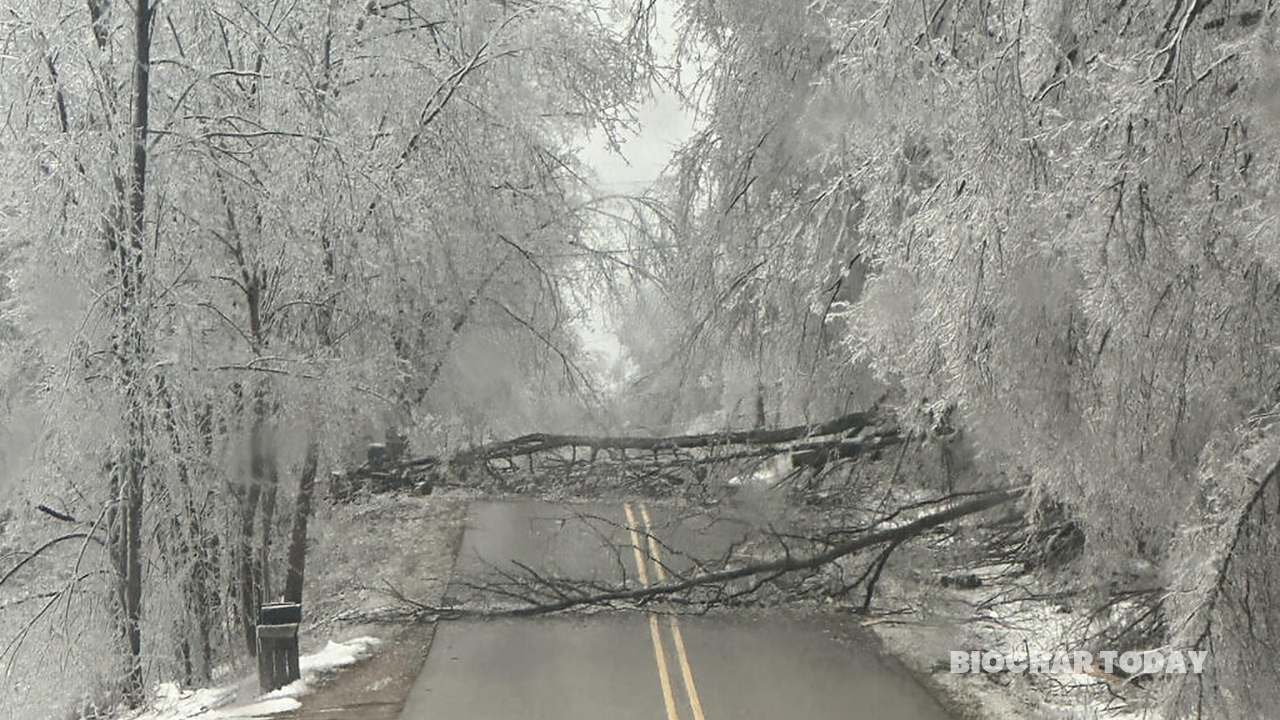
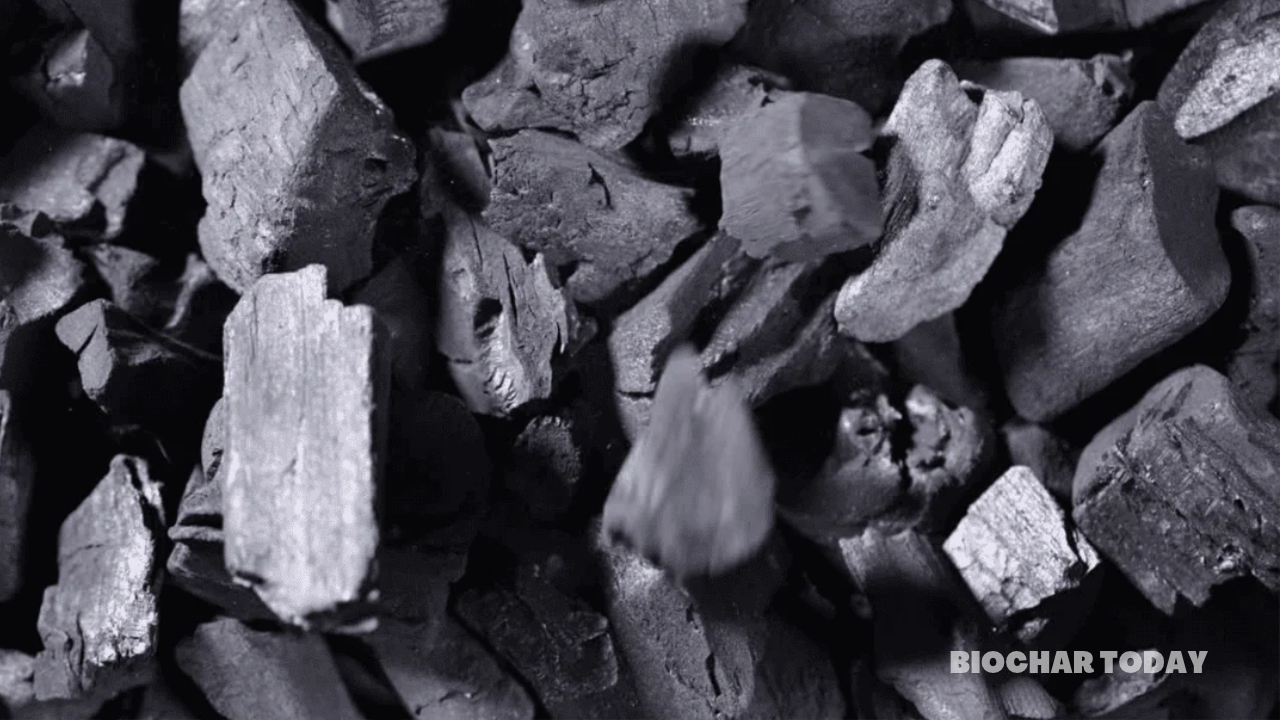
Michigan State University (MSU), supported by a $300,000 grant from the United States Department of Agriculture’s National Institute of Food and Agriculture, has initiated a comprehensive research project to convert surplus storm-damaged timber into high-value biocharBiochar is a carbon-rich material created from biomass decomposition in low-oxygen conditions. It has important applications in environmental remediation, soil improvement, agriculture, carbon sequestration, energy storage, and sustainable materials, promoting efficiency and reducing waste in various contexts while addressing climate change challenges. More. Led by the Great Lakes Biochar Network under the direction of Department of Forestry Associate Professor Emily Silver, the project addresses the immense volume of woody debris generated by severe ice storms in northern Michigan. By targeting timber that exceeds traditional processing capacities, the initiative seeks to establish sustainable pathways for forest residue valorization, soil enhancement, and permanent carbon sequestration.
The primary challenge addressed by this initiative is the over-saturation of local forest products sectors following extreme weather events. While regional forestry operations endeavor to salvage fallen timber for conventional lumber and wood products, severe storms produce volumes that quickly exceed conventional market demand, leaving vast amounts of debris without an economic outlet. Furthermore, developers face logistical barriers, restrictive regulatory frameworks, and an underdeveloped domestic consumer market for biochar end-use applications, complicating efforts to scale pyrolysisPyrolysis is a thermochemical process that converts waste biomass into bio-char, bio-oil, and pyro-gas. It offers significant advantages in waste valorization, turning low-value materials into economically valuable resources. Its versatility allows for tailored products based on operational conditions, presenting itself as a cost-effective and efficient More processing.
To overcome these hurdles, the research team structured a two-phase project framework. The first phase identifies and resolves logistical and technical barriers to processing and pyrolyzing storm-damaged wood into standardized biochar. The second phase focuses on market development, establishing distribution networks, and identifying end-users for the finished carbon material. Additionally, MSU will deliver targeted educational programming, including logger trainings, public workshops, economic impact assessments, technical biochar testing demonstrations, and guidance on regulatory compliance.
The outcomes of this project include the creation of viable commercial channels for wood waste that would otherwise lack economic utility. By establishing structured processing protocols and expanding regional market awareness, the initiative helps local landowners and the forestry sector monetize disaster-related debris. Ultimately, the project bridges the gap between forest management and carbon utilization, fostering long-term resilience and expanding regional biochar production capabilities in the United States.


Leave a Reply