


Enhanced lipid production of Auxenochlorella pyrenoidosa using biochar-pretreated tobacco industry wastewater. Chemical Engineering Journal. https://doi.org/10.1016/j.cej.2024.156007
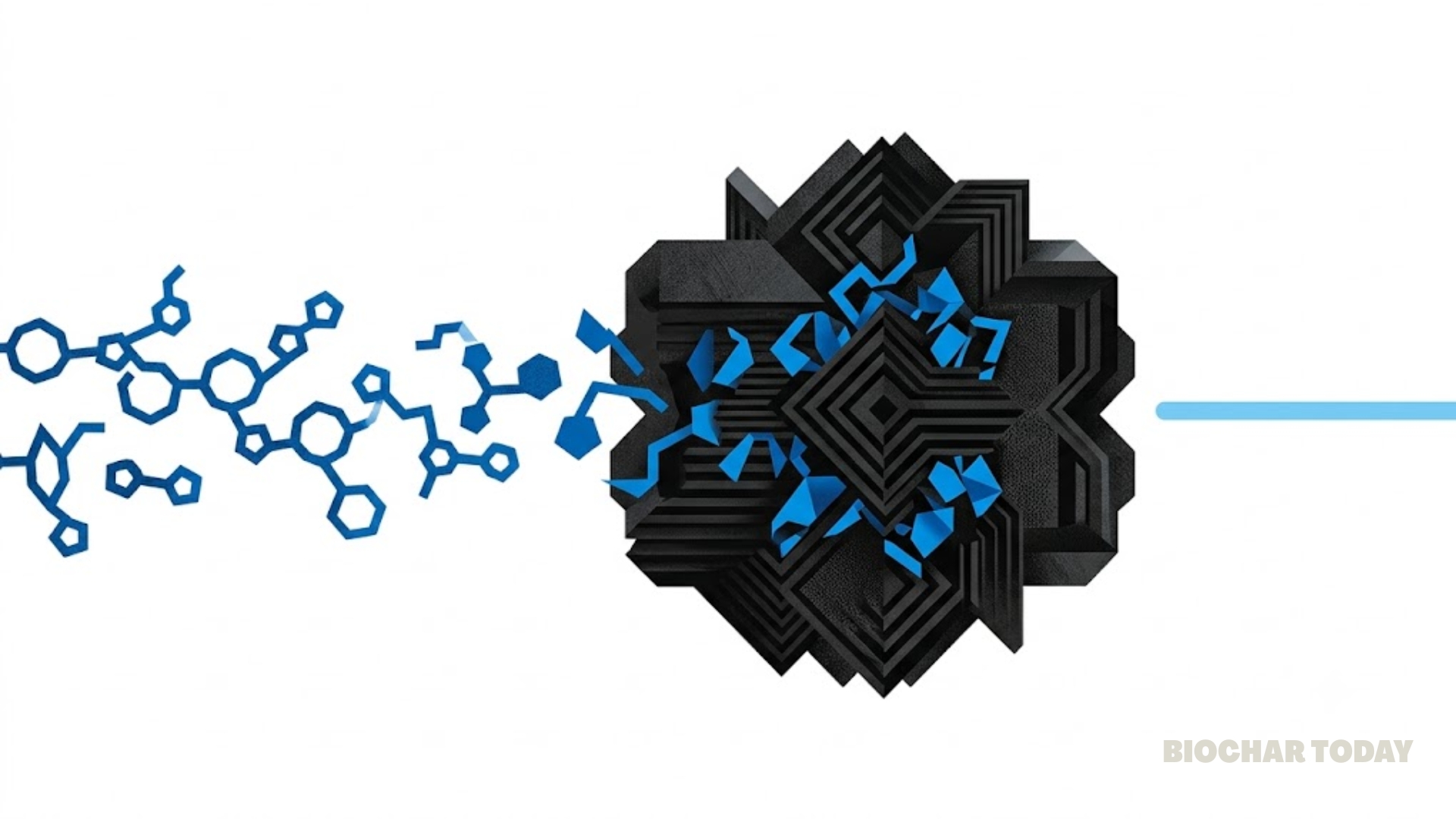
A recent study published in the Chemical Engineering Journal explores a novel approach to treating tobacco industry wastewater while promoting biofuel production. Tobacco wastewater, which contains harmful pollutants like nicotine and dyes, poses environmental risks. Researchers aimed to detoxify this wastewater using biocharBiochar is a carbon-rich material created from biomass decomposition in low-oxygen conditions. It has important applications in environmental remediation, soil improvement, agriculture, carbon sequestration, energy storage, and sustainable materials, promoting efficiency and reducing waste in various contexts while addressing climate change challenges. More, a carbon-rich material, and then utilize it to cultivate microalgae for biofuel production.
The study found that treating tobacco wastewater with 3% biochar effectively removed nicotine and significantly reduced chemical oxygen demand (COD) by 87.7%. This treatment also increased water clarity, allowing for better microalgal growth. The preserved nutrients in the wastewater further boosted the biomassBiomass is a complex biological organic or non-organic solid product derived from living or recently living organism and available naturally. Various types of wastes such as animal manure, waste paper, sludge and many industrial wastes are also treated as biomass because like natural biomass these More and lipid accumulation of Auxenochlorella pyrenoidosa, a microalgal species known for its biofuel potential. The lipids produced, particularly unsaturated fatty acids, are suitable for biodiesel, improving its cold-weather performance.
Moreover, transcriptomic analysis showed that key biological pathways related to photosynthesis and lipid biosynthesis were upregulated in the microalgae. This integrated approach not only addresses the challenge of tobacco wastewater treatment but also supports sustainable biofuel production, providing a promising solution for both environmental remediation and renewable energy generation.
This research highlights the synergy between biochar and microalgae in bioremediation and biofuel production, suggesting an eco-friendly method for managing industrial waste.



Leave a Reply