
Jahantigh, et al (2024) Co-application of biocharBiochar is a carbon-rich material created from biomass decomposition in low-oxygen conditions. It has important applications in environmental remediation, soil improvement, agriculture, carbon sequestration, energy storage, and sustainable materials, promoting efficiency and reducing waste in various contexts while addressing climate change challenges. More and selenium nanoparticles improves yield and modifies fatty acid profile and essential oil composition of fennel (Foeniculum vulgare Mill.) under cadmium toxicity. https://doi.org/10.1007/s11356-024-33270-5
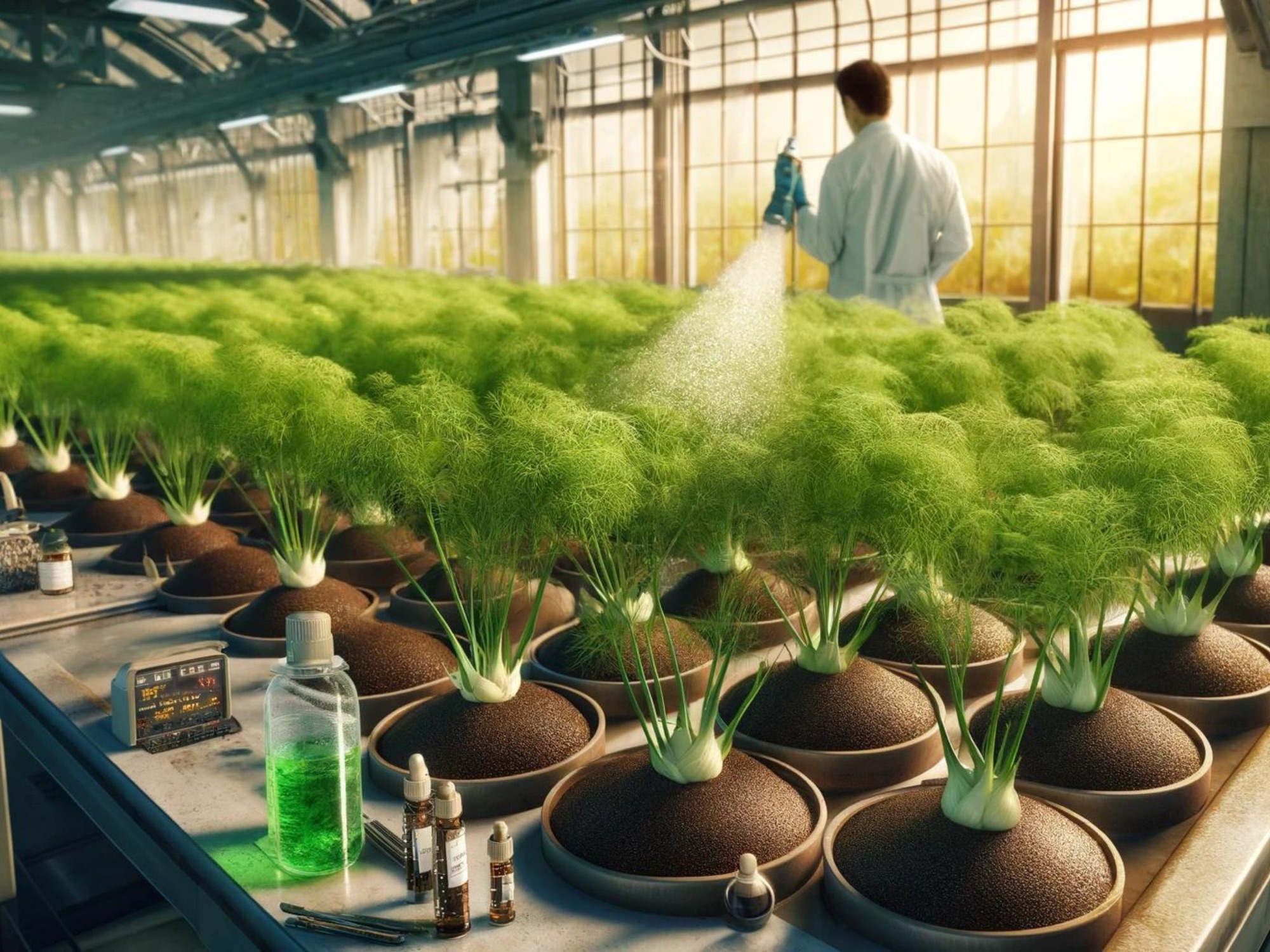
Fennel (Foeniculum vulgare Mill.) quality is chiefly influenced by its fatty acids and essential oils (EOs). A significant environmental challenge for fennel cultivation is soil contamination with cadmium (Cd), which typically diminishes plant health and productivity. Innovative priming strategies, such as soil amendments and the use of nanoparticles (NPs), are critical in mitigating this issue. A recent study explored the effectiveness of biochar (BC) and selenium nanoparticles (Se NPs) in enhancing the resilience of fennel plants against Cd-induced stress.
The experiment, conducted in a greenhouse in 2022, utilized a factorial completely randomized design. Fennel plants were grown under varying levels of Cd stress (0, 10, and 20 mg kg−1 soil) with the application of 5% (v/v) BC and foliar sprays of Se NPs at 40 mg L−1. Results showed that Cd stress significantly compromised plant performance, reducing biological and seed yields by 39% and 37%, respectively, and decreasing EO yield by 32%. Moreover, Cd exposure altered the fatty acid composition, decreasing monounsaturated fatty acids by 14%, while increasing saturated and polyunsaturated fatty acids by 26% and 40%, respectively.
The EO profile was predominantly composed of anethole (65.32–73.25%), followed by limonene, fenchone, and estragole, which are mainly oxygenated monoterpenes. The combined use of BC and Se NPs not only mitigated the adverse effects of Cd but also enhanced yields, EO production, and the fatty acid profile of fennel, thus bolstering the plants’ resistance to Cd toxicity. This study highlights the potential of integrating BC and Se NPs into fennel cultivation practices to sustain plant health and output in contaminated environments.






Leave a Reply