
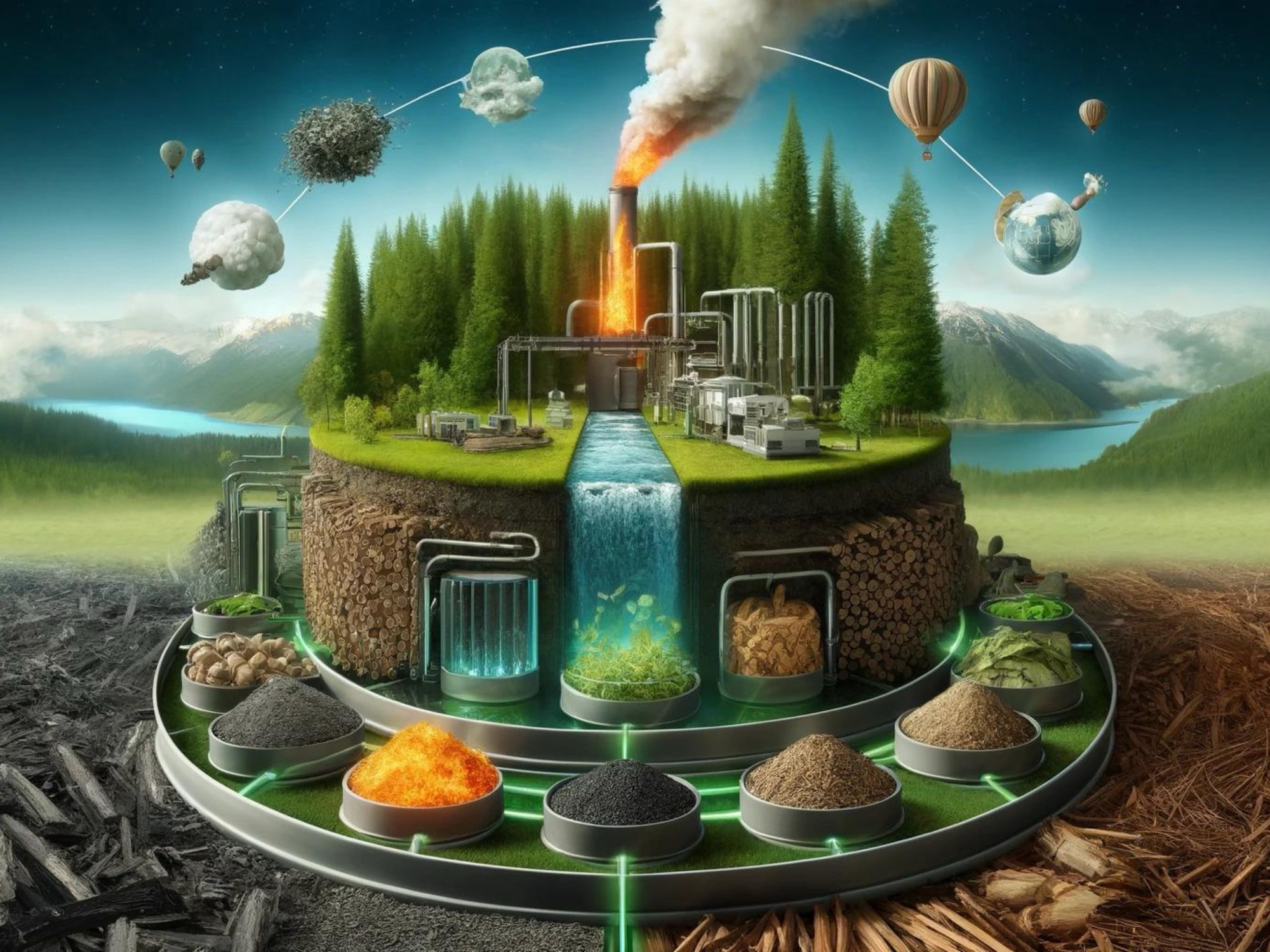
Lan, et al (2024) Research progress of biocharBiochar is a carbon-rich material created from biomass decomposition in low-oxygen conditions. It has important applications in environmental remediation, soil improvement, agriculture, carbon sequestration, energy storage, and sustainable materials, promoting efficiency and reducing waste in various contexts while addressing climate change challenges. More modification technology and its application in environmental remediation. BiomassBiomass is a complex biological organic or non-organic solid product derived from living or recently living organism and available naturally. Various types of wastes such as animal manure, waste paper, sludge and many industrial wastes are also treated as biomass because like natural biomass these More and Bioenergy. https://doi.org/10.1016/j.biombioe.2024.107178
In the realm of environmental science, biochar stands out as a carbon-rich material derived from the thermal treatment of biomass in low-oxygen conditions. The study in focus provides a detailed overview of biochar’s preparation from various raw materials like agricultural waste and municipal sludge, highlighting the importance of modification methods to boost its remediation capabilities. The modifications, categorized into chemical, physical, and biological, are shown to increase the material’s surface area, enhance oxygen-containing functional groups, and improve its stability and adsorption capacity.
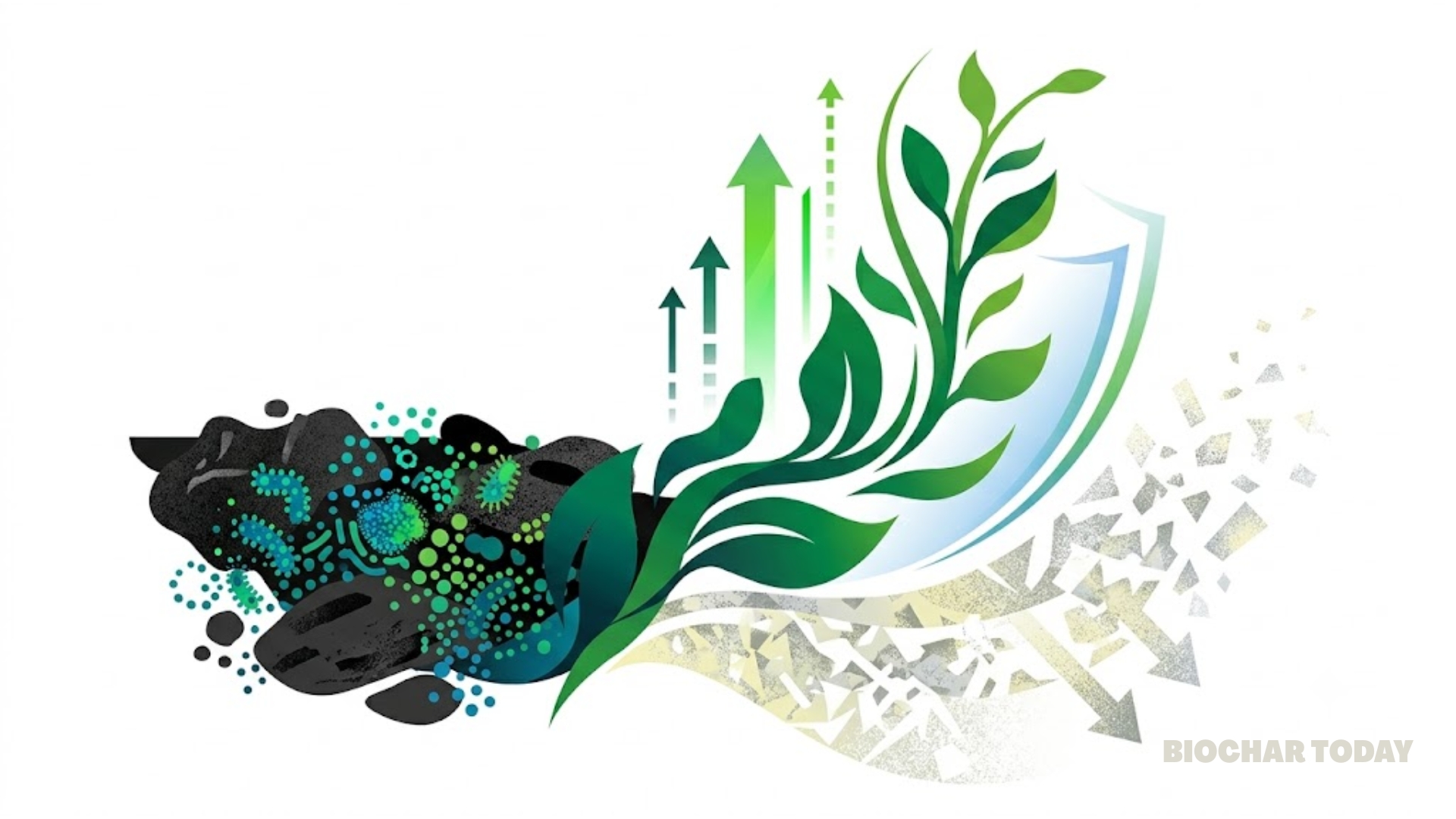
The application of biochar in environmental cleanup is vast, encompassing soil, water, and atmospheric remediation. By employing mechanisms such as adsorption, redox reactions, and complexation precipitation, biochar proves effective in mitigating pollution and removing harmful substances like heavy metals from the environment. Studies cited within the review, such as the use of corn and fish bone-derived biochar, demonstrate significant reductions in metal leachates in soil, underscoring biochar’s potential in pollution control and soil health improvement.
Moreover, biochar’s role extends to atmospheric pollution mitigation, where it aids in toxic gas adsorption and CO2 removal, thereby contributing to greenhouse gas reduction and climate change mitigation. The paper underscores the longevity of biochar’s effects on reducing CO2 emissions, potentially offering a sustainable solution to environmental challenges.
The review synthesizes research from 2018 to 2023, ensuring a focus on recent advancements and applications of modified biochar in environmental remediation. It calls for further studies to unravel the complex mechanisms of biochar in various environmental contexts, aiming to optimize its use and maximize its benefits for ecological restoration and protection.
This comprehensive literature review not only sheds light on the current state of biochar research but also opens avenues for future investigations to enhance its efficacy in environmental applications, marking a significant step forward in the pursuit of sustainable and effective remediation technologies.




Leave a Reply