


Recent research published in the Journal of Environmental Chemical Engineering explores how nano zero-valent iron-loaded biochar (nZVI-BC) simultaneously aids in chromium (Cr(VI)) remediation and promotes soil organic carbon (SOC) preservation. Chromium pollution, particularly in its toxic and mobile hexavalent form (Cr(VI)), poses significant environmental and health risks worldwide. This study focuses on nZVI-BC, a promising composite material combining biochar and zero-valent iron, to address these challenges.
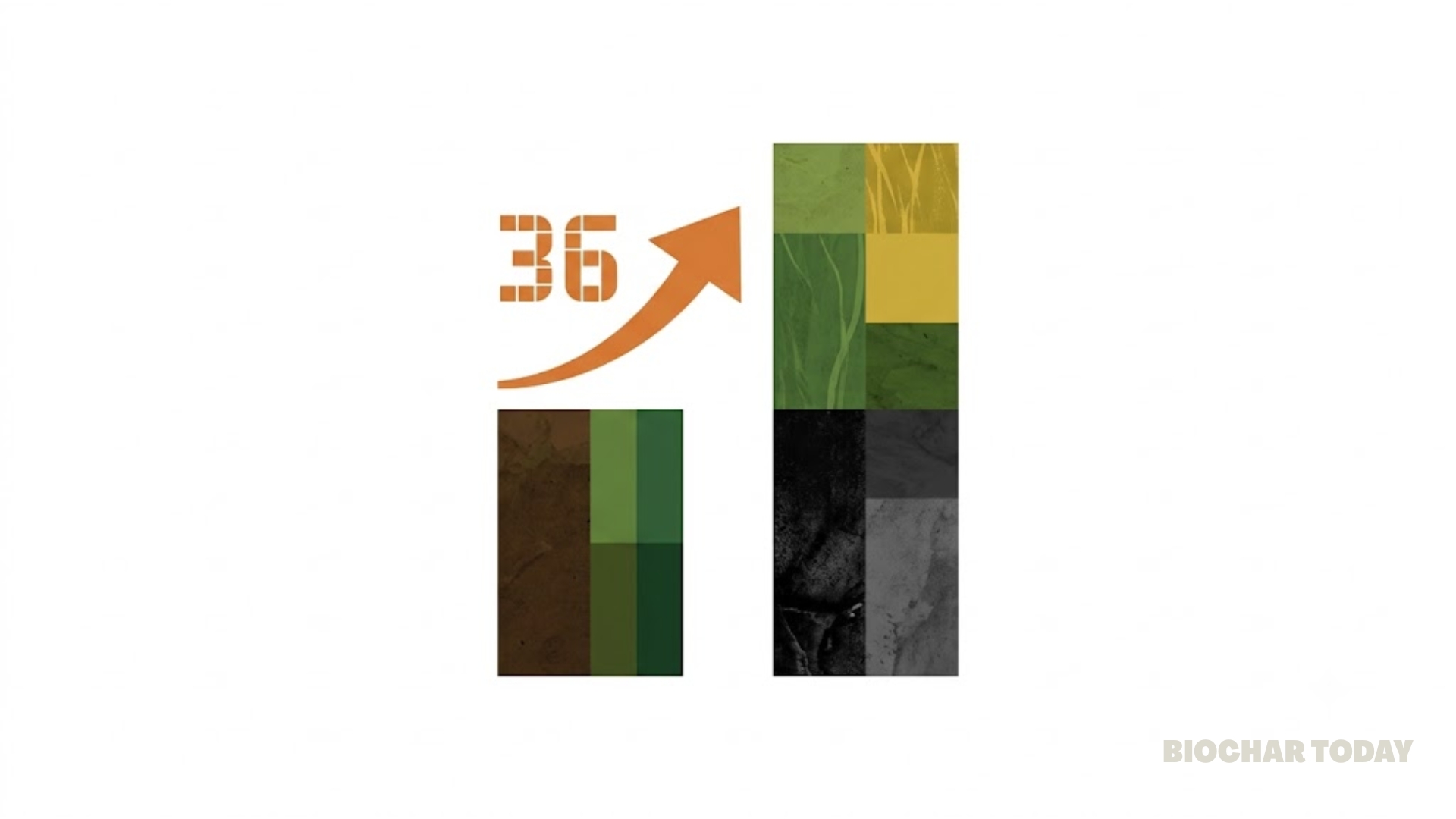
Through a 90-day soil incubation experiment, the researchers observed that nZVI-BC improved Cr(VI) removal rates and reduced cumulative CO2 emissions. Mechanistically, newly formed iron oxides facilitated the creation of stable iron-bound organic carbon (Fe-OC), a key factor in enhancing SOC storage. Additionally, the presence of nZVI-BC decreased the activity of carbon-degrading enzymes and shifted the soil microbial community towards stable carbon-dominant taxa, such as Firmicutes. These changes inhibited the bio-mineralization of SOC, promoting long-term carbon retention.
The study highlights the dual benefits of nZVI-BC: effective heavy metal remediation and significant contributions to carbon sequestration. By revealing both abiotic and biological mechanisms behind these outcomes, the findings provide critical insights into maximizing the environmental benefits of nZVI-BC applications. This research underscores the potential of innovative material solutions in tackling interconnected environmental challenges, such as heavy metal contamination and climate change mitigation.



Leave a Reply