
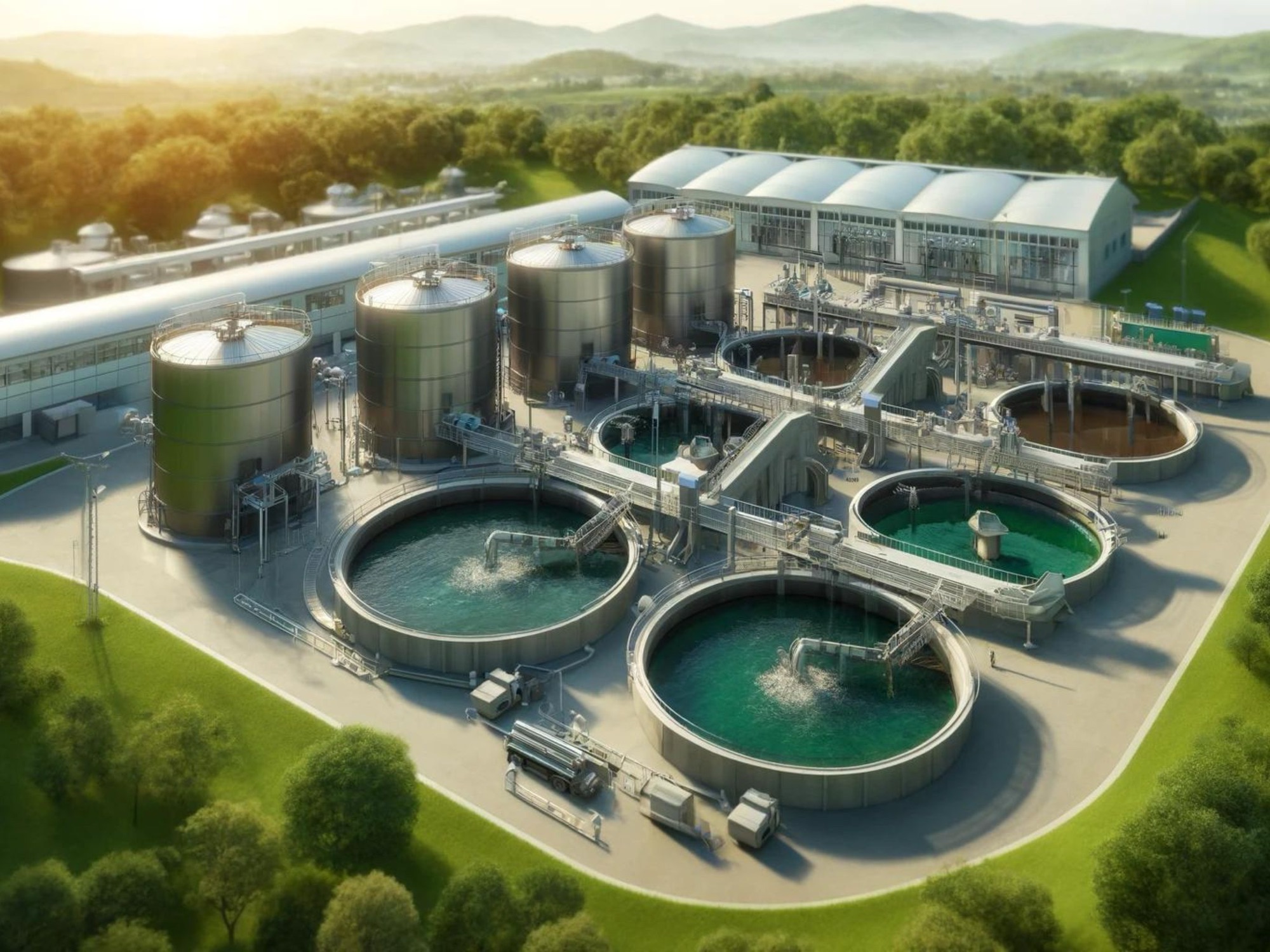
Jeyaraj, et al (2024) Biochar-mediated removal of various pollutants from the environment. Physical Sciences Reviews. https://doi.org/10.1515/psr-2023-0043
The rising concern about environmental pollutants is increasingly spotlighted due to their potential hazards to public health. In a world grappling with ecological challenges, managing these concerns effectively has become a global imperative. BiocharBiochar is a carbon-rich material created from biomass decomposition in low-oxygen conditions. It has important applications in environmental remediation, soil improvement, agriculture, carbon sequestration, energy storage, and sustainable materials, promoting efficiency and reducing waste in various contexts while addressing climate change challenges. More, recognized for its low-cost and effectiveness, plays a crucial role in wastewater treatment by removing hazardous substances. However, its limited adsorption capacity has prompted researchers to explore ways to boost its efficiency.
Recent studies have explored various methods to modify biochar, enhancing its physical and chemical properties to improve pollutant removal capabilities. These modifications result in biochar that behaves differently in adsorption processes, displaying unique outcomes and mechanisms. A comprehensive analysis of these modified biochars shows a significant increase in their efficacy, particularly in removing emerging contaminants from ecosystems.
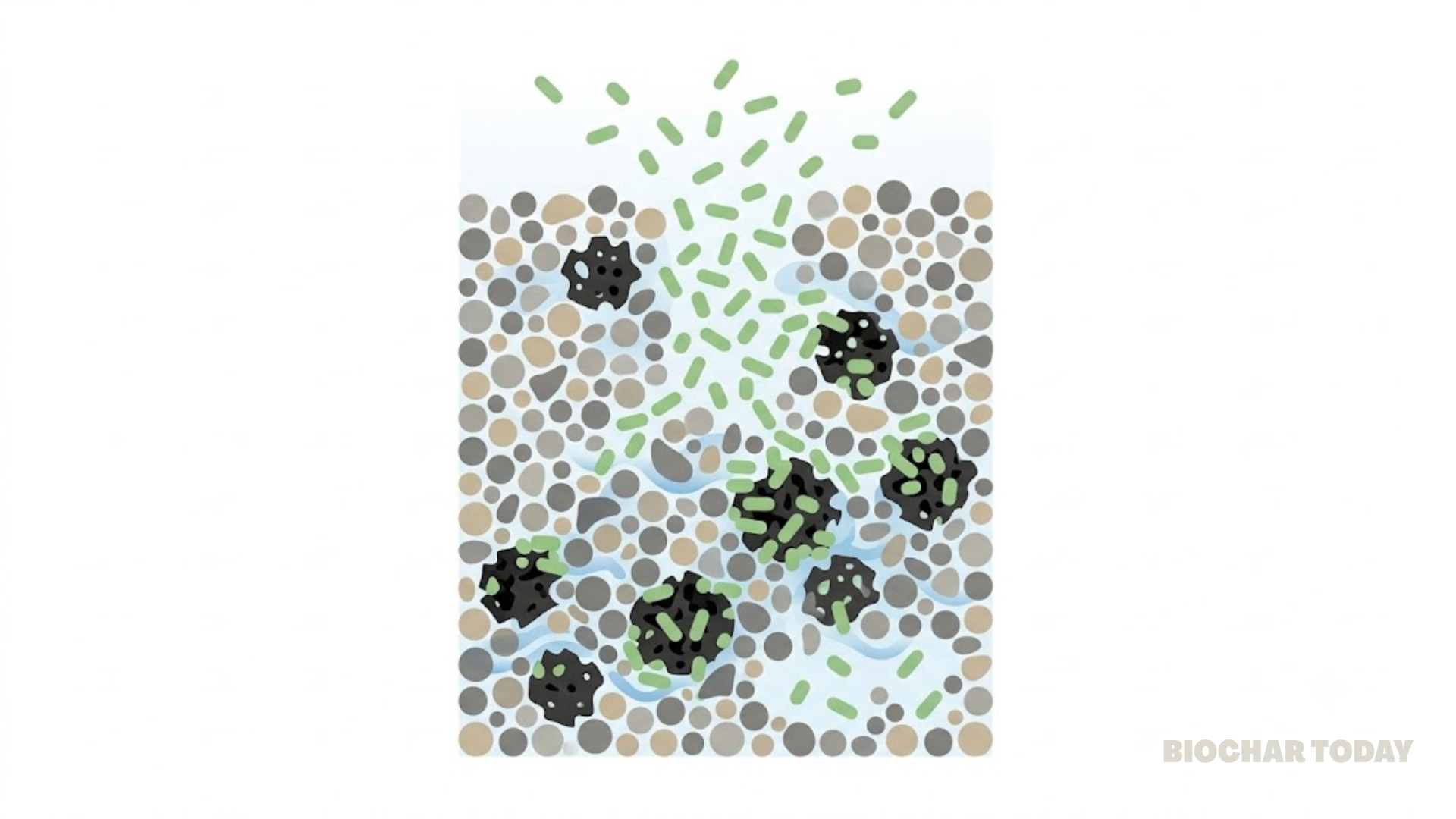
The primary mechanisms through which modified biochar removes pollutants include adsorption and catalytic degradation pathways. These enhanced processes not only promise better pollutant removal but also ensure that the biochar remains cost-effective and minimally hazardous to the environment.
Looking forward, there is a pressing need to establish uniform assessment standards that consider cost, efficacy, and environmental impact. Additionally, leveraging emerging technologies will be crucial in expanding the application of modified biochar, especially in tackling new and emerging contaminants. This approach will not only address current environmental challenges but also pave the way for future innovations in wastewater treatment technologies.


Leave a Reply