

Cadmium contamination in agricultural soils poses a serious threat to human health, especially in regions undergoing rapid industrialization. Addressing this concern, biochar, a carbonaceous material produced through biomassBiomass is a complex biological organic or non-organic solid product derived from living or recently living organism and available naturally. Various types of wastes such as animal manure, waste paper, sludge and many industrial wastes are also treated as biomass because like natural biomass these More pyrolysisPyrolysis is a thermochemical process that converts waste biomass into bio-char, bio-oil, and pyro-gas. It offers significant advantages in waste valorization, turning low-value materials into economically valuable resources. Its versatility allows for tailored products based on operational conditions, presenting itself as a cost-effective and efficient More, has gained attention for its potential in soil remediation. This study focuses on the effects of different Fe-modified biochars on soil Fe oxide transformation and subsequent Cd immobilization.
The research reveals that Fe modification significantly increased the electron transfer capacity (EEC) of biochar, particularly in nitrogen-iron modified biochar (N–FeBC). After 40 days of incubation, treatments with Fe-modified biochars showed a substantial decrease in CaCl2-extractable Cd compared to the control.
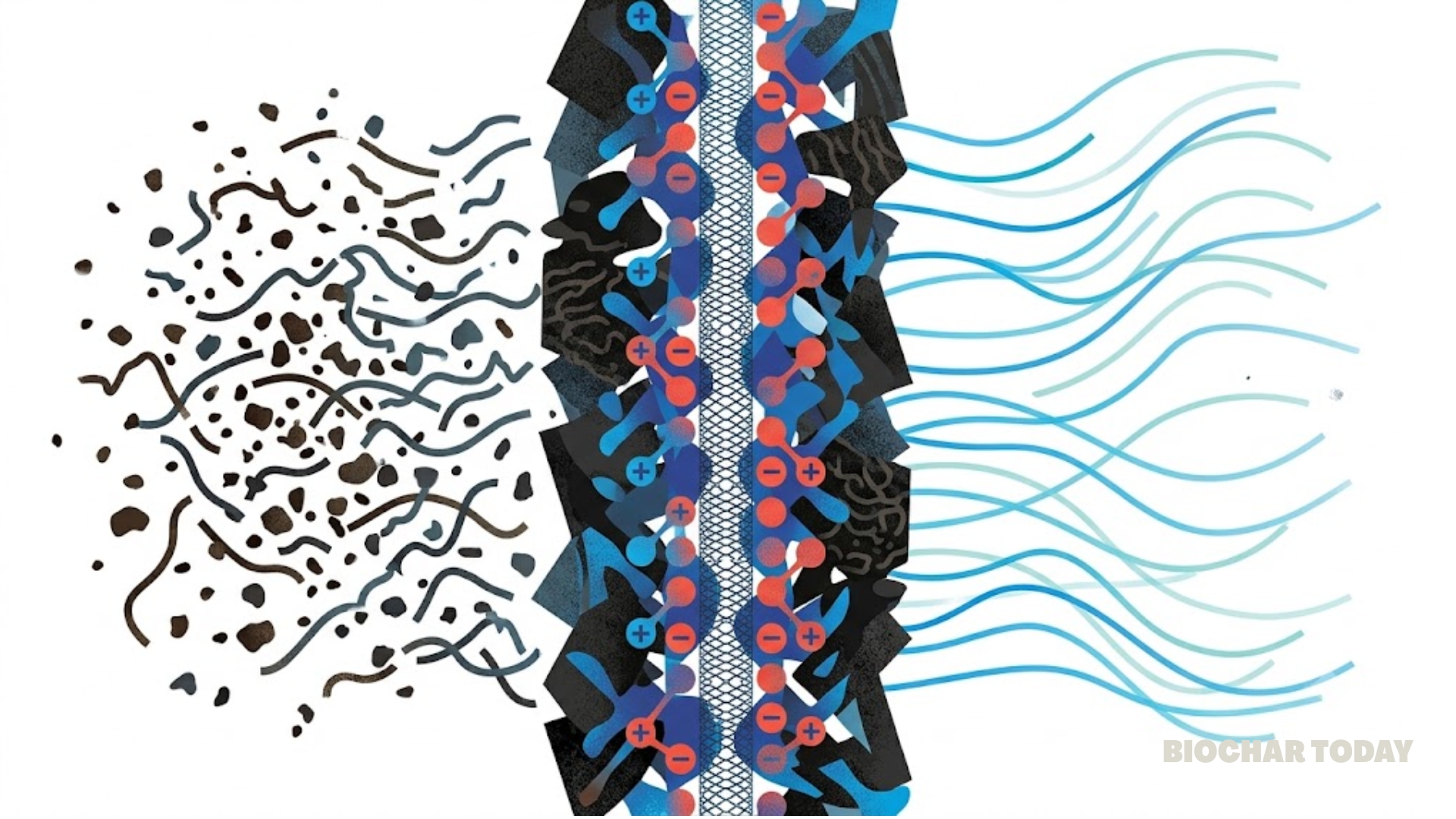
N–FeBC played a pivotal role in reducing soil Eh, increasing soil pHpH is a measure of how acidic or alkaline a substance is. A pH of 7 is neutral, while lower pH values indicate acidity and higher values indicate alkalinity. Biochars are normally alkaline and can influence soil pH, often increasing it, which can be beneficial More, and promoting the formation of amorphous Fe oxides (amFeox) through the NO3−-reducing Fe(II) oxidation process. On the other hand, sulfur-iron modified biochar (S–FeBC) increased amFeox by promoting the Fe(II) recrystallization process.
The study highlights the potential of Fe-modified biochar, especially N–FeBC, for the remediation of Cd-contaminated soils. The enhanced redox properties of Fe-modified biochar play a crucial role in mediating soil Fe redox processes, influencing Cd immobilization. The findings provide valuable insights into developing effective remediation approaches for Cd-contaminated soils, addressing a pressing concern for food security and human health.
In conclusion, this research underscores the significance of Fe-modified biochar in mitigating Cd transfer from contaminated soils to the food chain. The study’s comprehensive analysis of soil redox processes and Cd speciation transformation contributes to advancing our understanding of the mechanisms behind effective soil remediation strategies.




Leave a Reply