
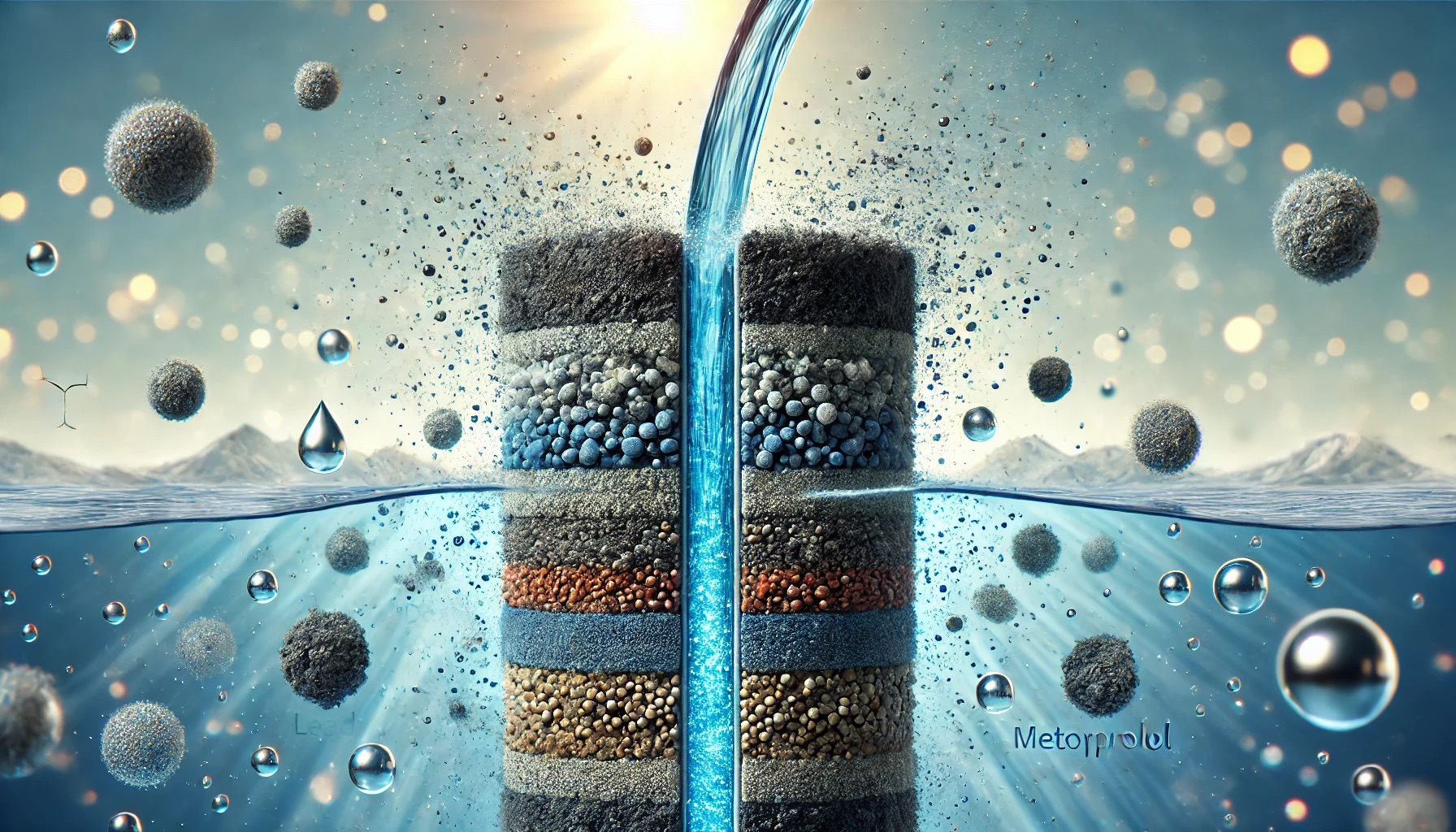
Karkoosh, at al (2024) Efficacy of anthocyanin, kaolinite and cabbage leaves-derived biocharBiochar is a carbon-rich material created from biomass decomposition in low-oxygen conditions. It has important applications in environmental remediation, soil improvement, agriculture, carbon sequestration, energy storage, and sustainable materials, promoting efficiency and reducing waste in various contexts while addressing climate change challenges. More for simultaneous removal of lead, copper and metoprolol from water. Environmental Pollution. https://doi.org/10.1016/j.envpol.2024.124594
A recent study explores the effectiveness of biochar derived from waste cabbage leaves in removing contaminants like lead, copper, and metoprolol from water. Biochar, modified with kaolinite and anthocyanin, shows significant promise for environmental cleanup. Ball milling, a process that grinds the biochar into ultrafine particles, increases the surface area and functional groups of the adsorbent, enhancing its ability to capture pollutants.
The study found that ball-milled biochar significantly boosts the adsorption of lead, copper, and metoprolol by 105%, 71%, and 213% respectively. The modified biochars, labeled as BMAB (ball-milled anthocyanin biochar) and BMKB (ball-milled kaolinite biochar), showed high removal efficiencies. BMKB excelled in removing lead and copper, while BMAB was particularly effective for metoprolol.
The adsorption mechanisms involve various interactions, including surface complexation, π-π interactions, hydrogen bonding, pore filling, and ion bridging. The ball milling process not only increased the surface area but also enhanced the presence of oxygen-containing acidic functional groups, which are crucial for adsorption.
Given the global production of cabbage and the significant waste generated, converting cabbage leaves into biochar provides an eco-friendly solution to both waste management and water purification. This study highlights the potential of using agricultural waste to create effective adsorbents for environmental remediation, offering a sustainable approach to addressing water contamination issues. Future research may focus on optimizing the process for industrial applications and exploring the regeneration and reuse of the spent adsorbent.


Leave a Reply