
Chen, et al (2024) Synergistic catalysis by Fe-oxide-biochar modified with WS2/PMS system for the removal of metformin. Journal of Water Process Engineering. https://doi.org/10.1016/j.jwpe.2024.105591
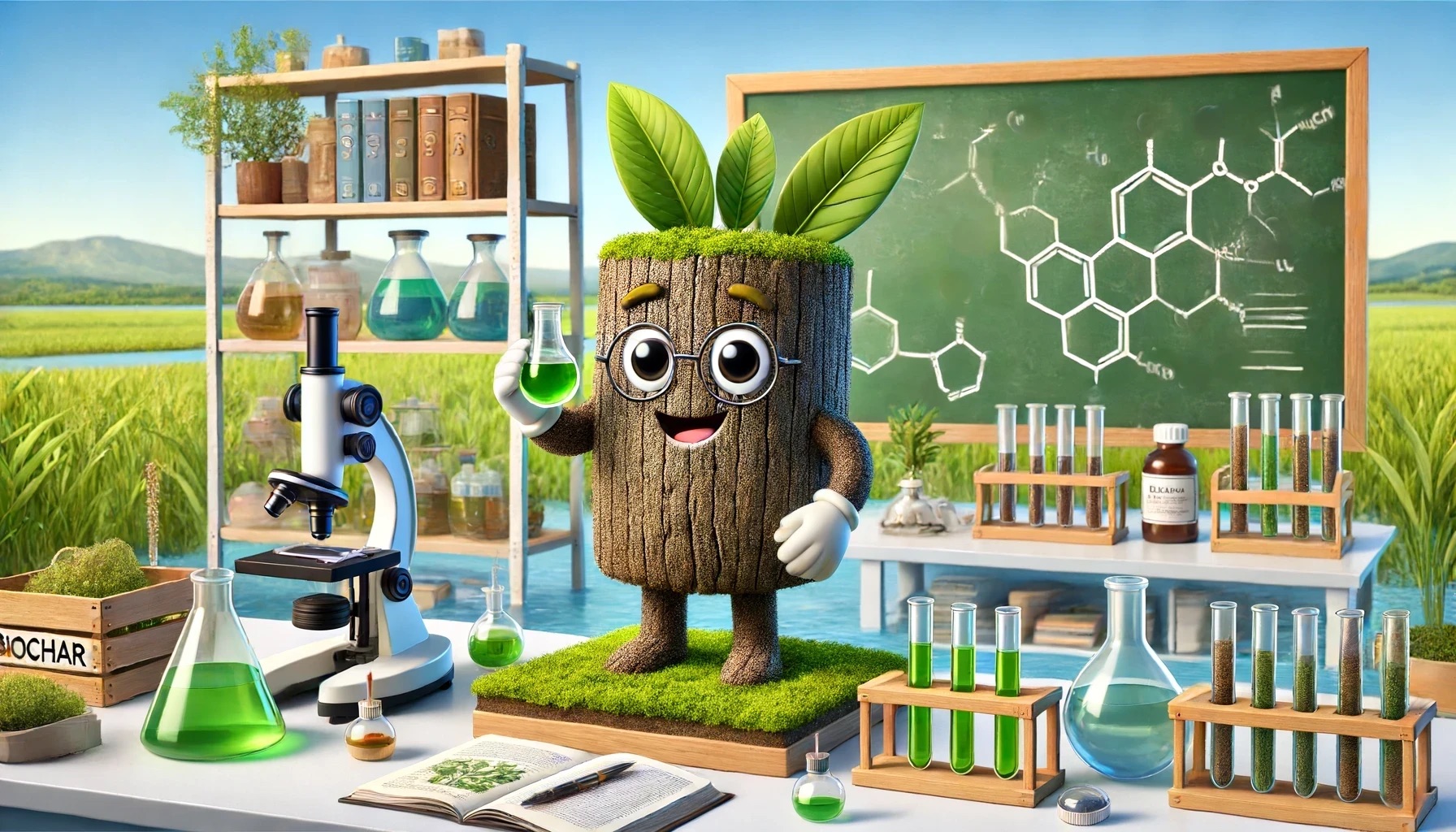
Researchers have developed a new catalyst, WSF@BC, to address the environmental challenge posed by metformin (MET) contamination in water. MET, a common diabetes medication, is persistently found in aquatic environments, leading to potential ecological risks. The study focused on enhancing the Fenton reaction’s efficiency by using a combination of tungsten disulfide (WS2) and iron oxides loaded onto reed biocharBiochar is a carbon-rich material created from biomass decomposition in low-oxygen conditions. It has important applications in environmental remediation, soil improvement, agriculture, carbon sequestration, energy storage, and sustainable materials, promoting efficiency and reducing waste in various contexts while addressing climate change challenges. More.
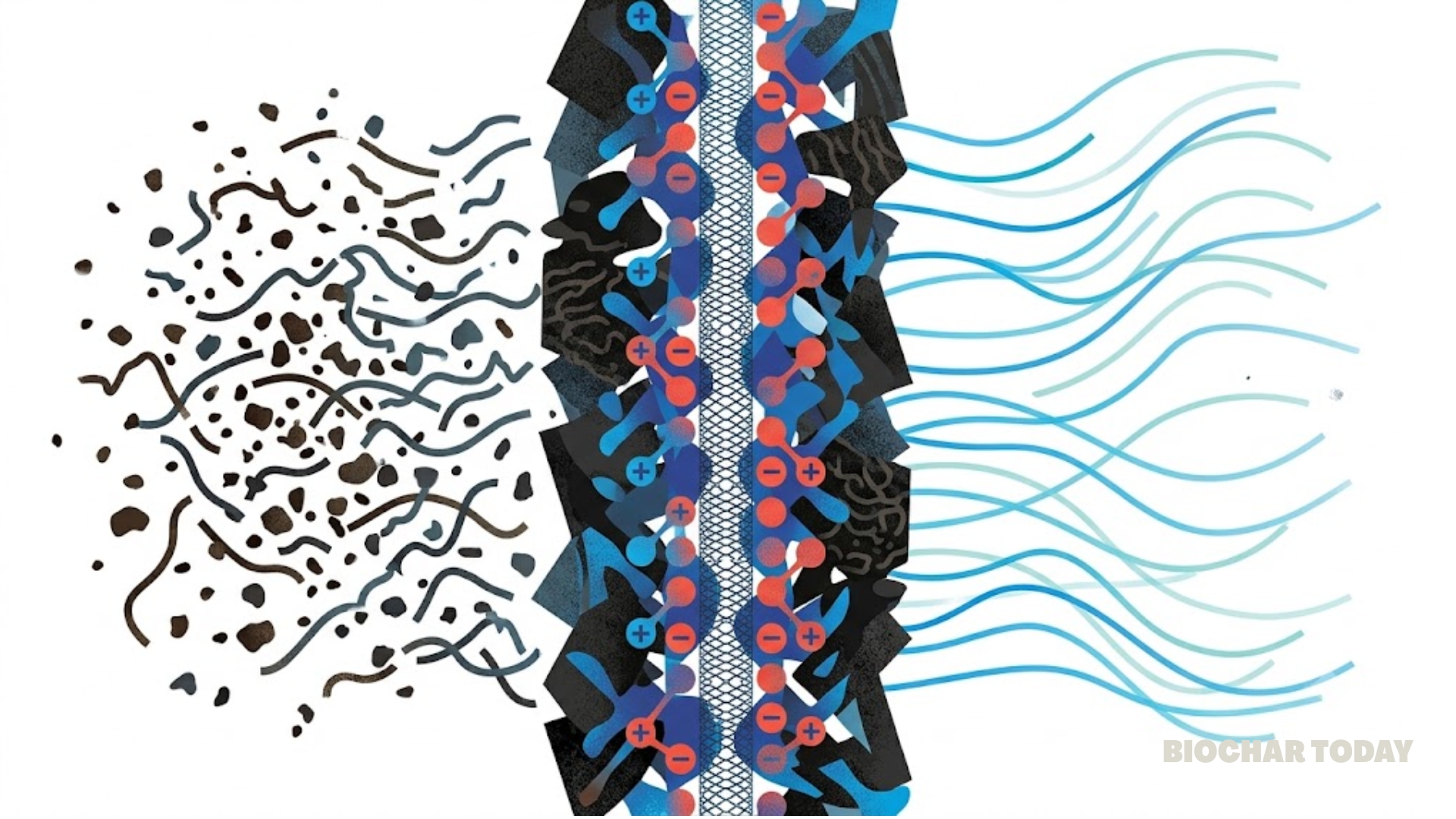
The catalyst’s performance was evaluated under various conditions, including different pHpH is a measure of how acidic or alkaline a substance is. A pH of 7 is neutral, while lower pH values indicate acidity and higher values indicate alkalinity. Biochars are normally alkaline and can influence soil pH, often increasing it, which can be beneficial More levels, dosages of peroxymonosulfate (PMS), and catalyst amounts. Results showed that the WSF@BC/PMS system achieved 85.1% degradation of MET within 30 minutes. The presence of sulfate radicals (SO4−) was critical in this rapid degradation process. Advanced analytical techniques, such as electron paramagnetic resonance (EPR) and X-ray photoelectron spectroscopy (XPS), confirmed the effectiveness of the catalyst.
Theoretical calculations and intermediate product analyses pinpointed the main reaction sites in MET, leading to reduced toxicity in the degradation products. The study identified three potential degradation pathways: denitrification, amino oxidation, and hydroxylation. Furthermore, the WSF@BC catalyst demonstrated excellent stability and reusability, making it a promising solution for wastewater treatment.
This research underscores the significant potential of non-homogeneous catalysts in environmental remediation, offering a practical approach to achieving complete MET mineralization in water treatment systems. The innovative use of reed biochar and metal co-catalysts provides a sustainable method for managing pharmaceutical pollutants.




Leave a Reply