
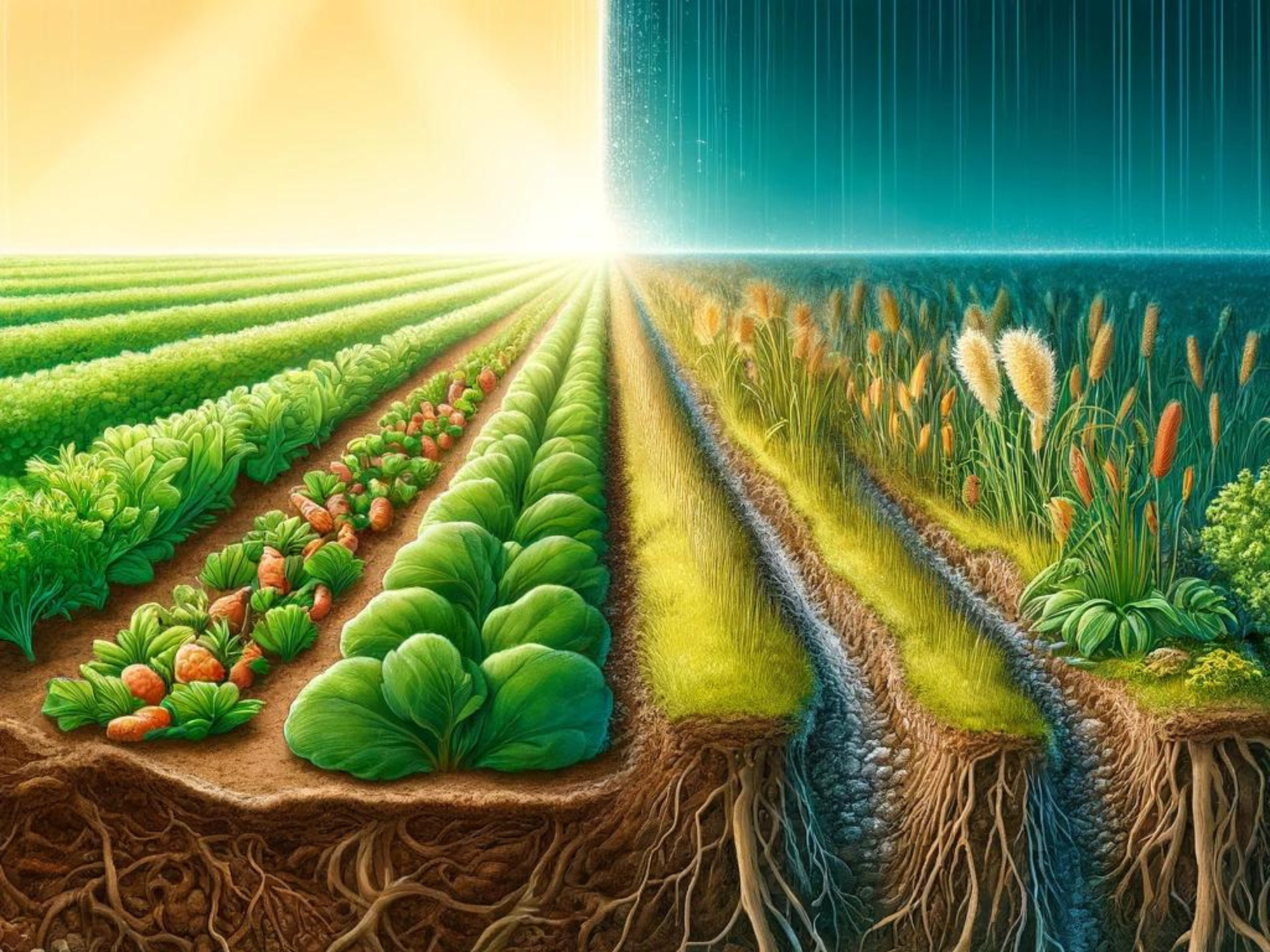
Zanutel, et al (2024) Does century-old biocharBiochar is a carbon-rich material created from biomass decomposition in low-oxygen conditions. It has important applications in environmental remediation, soil improvement, agriculture, carbon sequestration, energy storage, and sustainable materials, promoting efficiency and reducing waste in various contexts while addressing climate change challenges. More affect soil interrill erodibility on cropland soils? A study on pre-industrial kiln sites. Soil and Tillage Research. https://doi.org/10.1016/j.still.2024.106091
In the realm of sustainable agriculture and soil conservation, recent studies have turned their focus towards the utilization of biochar as a means to mitigate soil erosion, a concern that significantly affects agricultural productivity and environmental health globally.
The research aimed to explore the long-term impacts of biochar, particularly from century-old charcoalCharcoal is a black, brittle, and porous material produced by heating wood or other organic substances in a low-oxygen environment. It is primarily used as a fuel source for cooking and heating. More found in kiln sites, on interrill erosion—a common form of soil erosion. Utilizing topsoil from fields with varying textures (silt loam, loam, and sandy loam) that contained kiln sites, the study found that the presence of historical charcoal did not influence soil aggregate stability or affect the traditional measure of interrill erodibility as per Kinnell’s findings.
However, it demonstrated a decrease in runoff and soil loss with an increase in charcoal-C content, suggesting an enhancement in soil’s erosion resistance over time.This outcome is attributed to the delayed crust formation on the soil surface, presumably because of a higher proportion of clods in the soil samples with increasing charcoal-C content.
These findings are vital as they suggest that the long-term addition of biochar to soil might not only improve soil health but also contribute to reducing the detrimental impacts of soil erosion.This research underscores the necessity for further investigation across a broader spectrum of soil types to validate these trends and to understand the mechanisms underlying biochar’s long-term effects on soil erosion.
Given the urgency to identify sustainable practices for soil management, the study provides promising insights into biochar’s potential role in soil conservation and its implications for future agricultural practices.





Leave a Reply