
Article Summary: Chathiran, et al. (2024) The efficacy and lipid degradation properties resulting from corncob biocharBiochar is a carbon-rich material created from biomass decomposition in low-oxygen conditions. It has important applications in environmental remediation, soil improvement, agriculture, carbon sequestration, energy storage, and sustainable materials, promoting efficiency and reducing waste in various contexts while addressing climate change challenges. More treatment for acrylamide reduction in reused palm oil. LWT, Vol. 192. https://doi.org/10.1016/j.lwt.2023.115720
Love your crispy fries, but concerned about acrylamide? This harmful compound forms in deep-fried foods, posing a health risk. But guess what? Researchers have found a potential solution: corncob biochar!
This innovative technique uses readily available corncob waste to make a special charcoal-like material that can significantly reduce acrylamide levels in used palm oil. Here’s how it works:
- Biochar acts like a sponge, soaking up acrylamide before it enters your food. Studies show a 50% reductioncompared to untreated oil!
- Used palm oil, treated with biochar, stays fresh longer thanks to reduced oxidation, meaning fewer frying cycles and less waste.
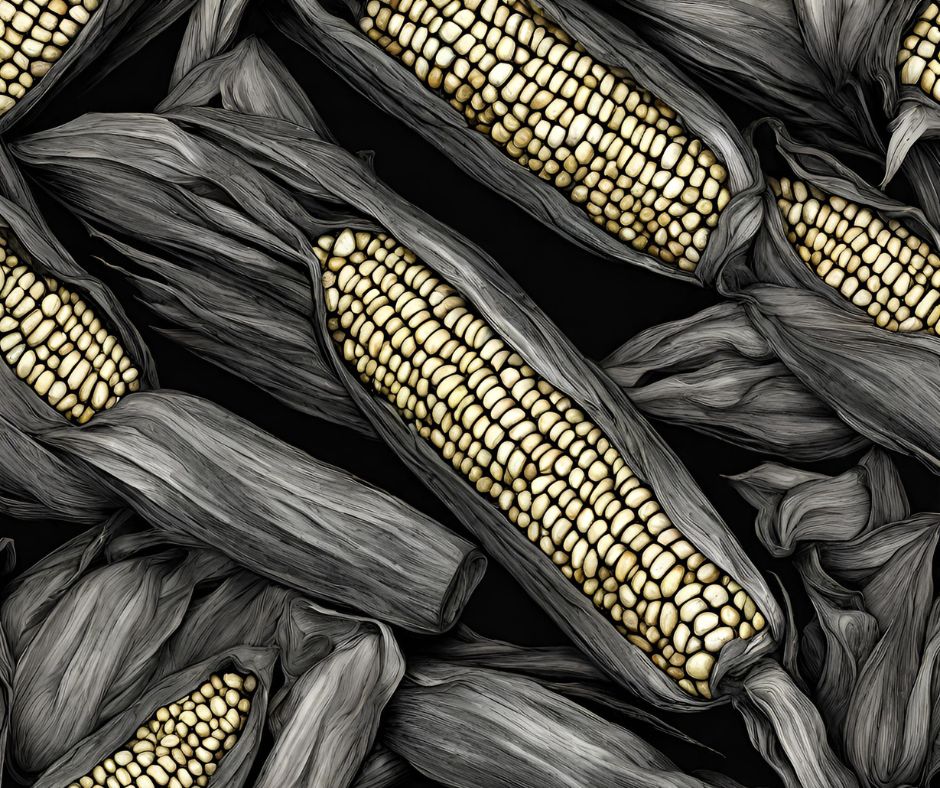
- This eco-friendly approach not only improves food safety but also helps manage waste from corncob production, a common agricultural byproduct.
Why is this exciting?
- Healthier fried food: Enjoy your favorite crispy treats without the acrylamide worry.
- Sustainable oil use: Extend the life of your oil, reducing waste and environmental impact.
- Waste to resource: Transform corncob waste into a valuable tool for cleaner frying.
Beyond the benefits:
This research highlights the potential of innovation in food processing to promote both food safety and environmental sustainability. Imagine a future where delicious food and a healthy planet go hand-in-hand!
Thailand, a frontrunner in sustainable food:
With its vast corncob production, Thailand is perfectly positioned to lead the way in adopting this biochar technology. Imagine street vendors using a simple, affordable method to make their fried treats safer and more sustainable.
The future of frying is bright:
This research paves the way for a healthier, more sustainable future for deep-frying. By harnessing the power of innovation and readily available resources like corncob, we can enjoy delicious fried food without compromising our health or the planet.





Leave a Reply