


BiomassBiomass is a complex biological organic or non-organic solid product derived from living or recently living organism and available naturally. Various types of wastes such as animal manure, waste paper, sludge and many industrial wastes are also treated as biomass because like natural biomass these More Conv. Bioref. https://doi.org/10.1007/s13399-024-05792-y
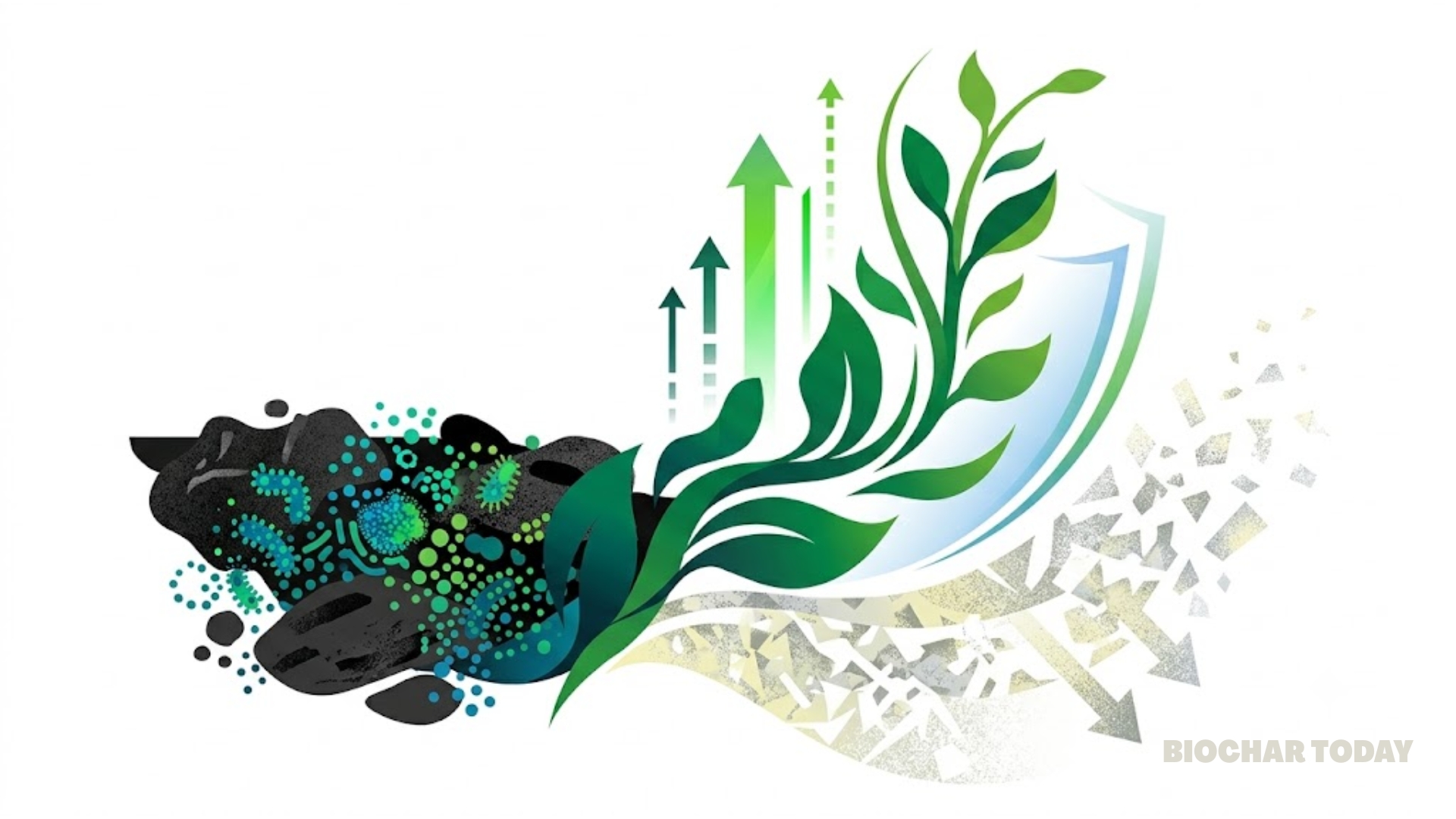
Marine algae, often blooming in abundance and causing pollution, can be effectively managed by transforming it into valuable products like alginate or biochar for water treatment. A recent study explored the use of alginate-modified algal biochar to remove the heavy metal Cr(VI) from water. The research utilized biochar derived from brown algae, Sargassum wightii, combined with sodium alginate to create a new adsorbent for Cr(VI) in water.
The alginate-modified algal biochar blended film was thoroughly examined using methods like FTIR, XRD, TGA, and SEM. It showed a large surface area of 336.82 m²/g, an average pore size of 22.20 cm³/g, and a pore volume of 2.04 cc/g. The study investigated how pHpH is a measure of how acidic or alkaline a substance is. A pH of 7 is neutral, while lower pH values indicate acidity and higher values indicate alkalinity. Biochars are normally alkaline and can influence soil pH, often increasing it, which can be beneficial More, contact time, and adsorbent dosage influenced the adsorption behavior of Cr(VI) through batch experiments. Results demonstrated a high adsorption capacity, with up to 92% removal efficiency.
Further analysis indicated that Cr(VI) adsorption onto the alginate-modified algal biochar film closely followed the Freundlich isotherm model and that the adsorption kinetics matched the pseudo-second-order (PSO) model with an R² value of 0.999. These findings suggest that the alginate-modified algal biochar film is a promising, low-cost, and environmentally friendly adsorbent for removing Cr(VI) from water.



Leave a Reply