
Ynfante, et al (2024) BiocharBiochar is a carbon-rich material created from biomass decomposition in low-oxygen conditions. It has important applications in environmental remediation, soil improvement, agriculture, carbon sequestration, energy storage, and sustainable materials, promoting efficiency and reducing waste in various contexts while addressing climate change challenges. More production in northern New Mexico: Identifying challenges and opportunities. Journal of Environmental Management. https://doi.org/10.1016/j.jenvman.2024.122072
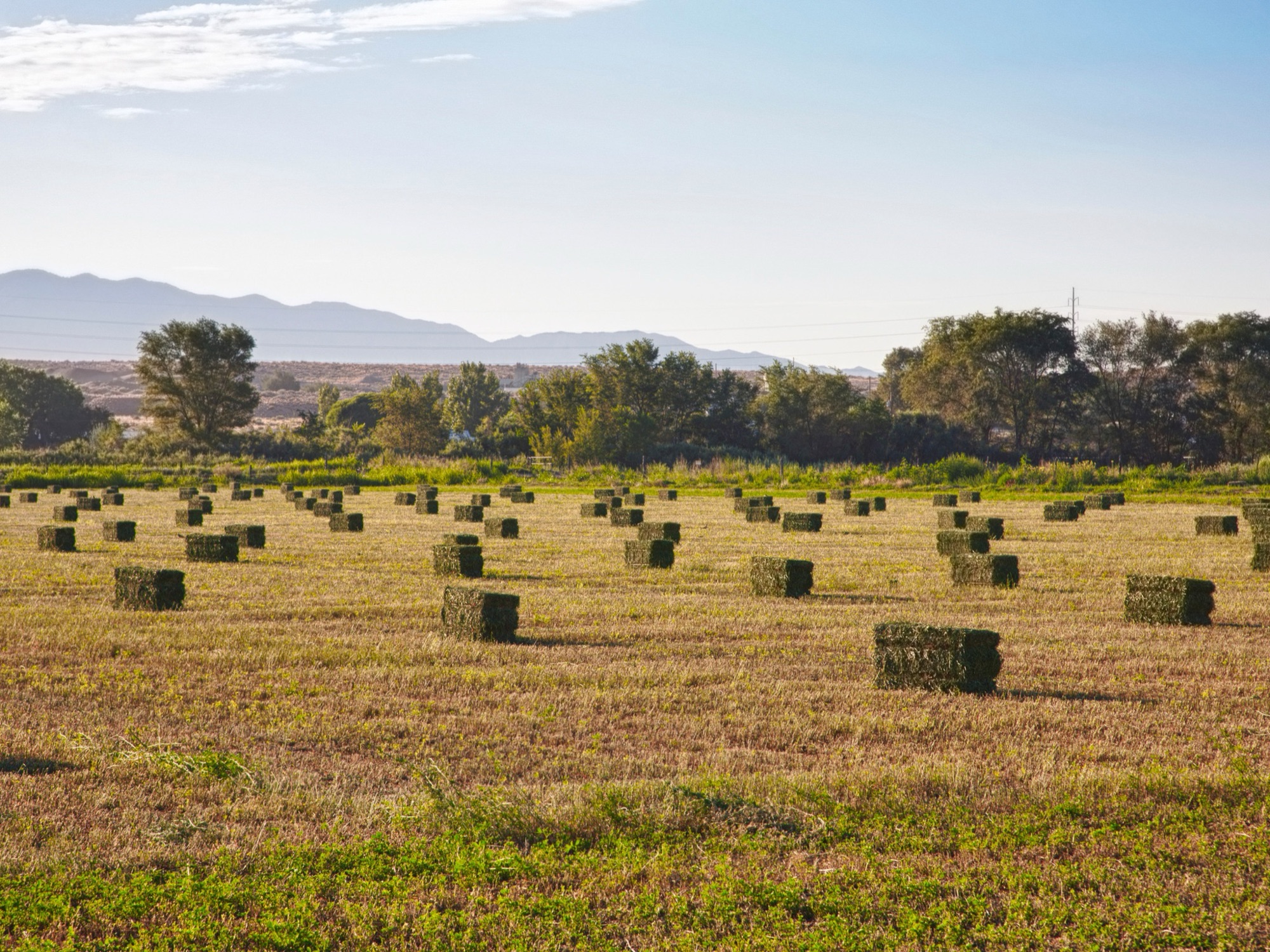
Biochar, a carbon-rich soil amendmentA soil amendment is any material added to the soil to enhance its physical or chemical properties, improving its suitability for plant growth. Biochar is considered a soil amendment as it can improve soil structure, water retention, nutrient availability, and microbial activity. More made from organic materials, holds promise for improving soil health and reducing wildfire risk in northern New Mexico. Despite its potential benefits and new government incentives, biochar is not widely adopted by land managers in the region. A recent study in the Sangre de Cristo region, published in the Journal of Environmental Management, investigates the barriers and opportunities for biochar production from forest thinning slash.
The study reveals that while 65% of land managers are familiar with biochar, only 13% actively produce it. The main benefits identified include enhanced soil quality and reduced forest fuel loads, which are critical in a region prone to severe wildfires. However, significant barriers to adoption exist. These include insufficient knowledge of biochar production techniques, high production costs, and concerns about the complexities of implementation.
Interestingly, the study found that land managers prefer hands-on workshops as a means of learning about biochar. This suggests that future outreach efforts should focus on practical, experiential training. Additionally, trust issues with government agencies and fears related to fire risks further complicate biochar adoption.
The study highlights the need for targeted outreach, clear guidelines, and pilot projects to demonstrate the feasibility and benefits of biochar. By addressing these challenges, biochar could become a valuable tool for sustainable land management and wildfire risk reduction in northern New Mexico and similar regions in the Intermountain West.



Leave a Reply