
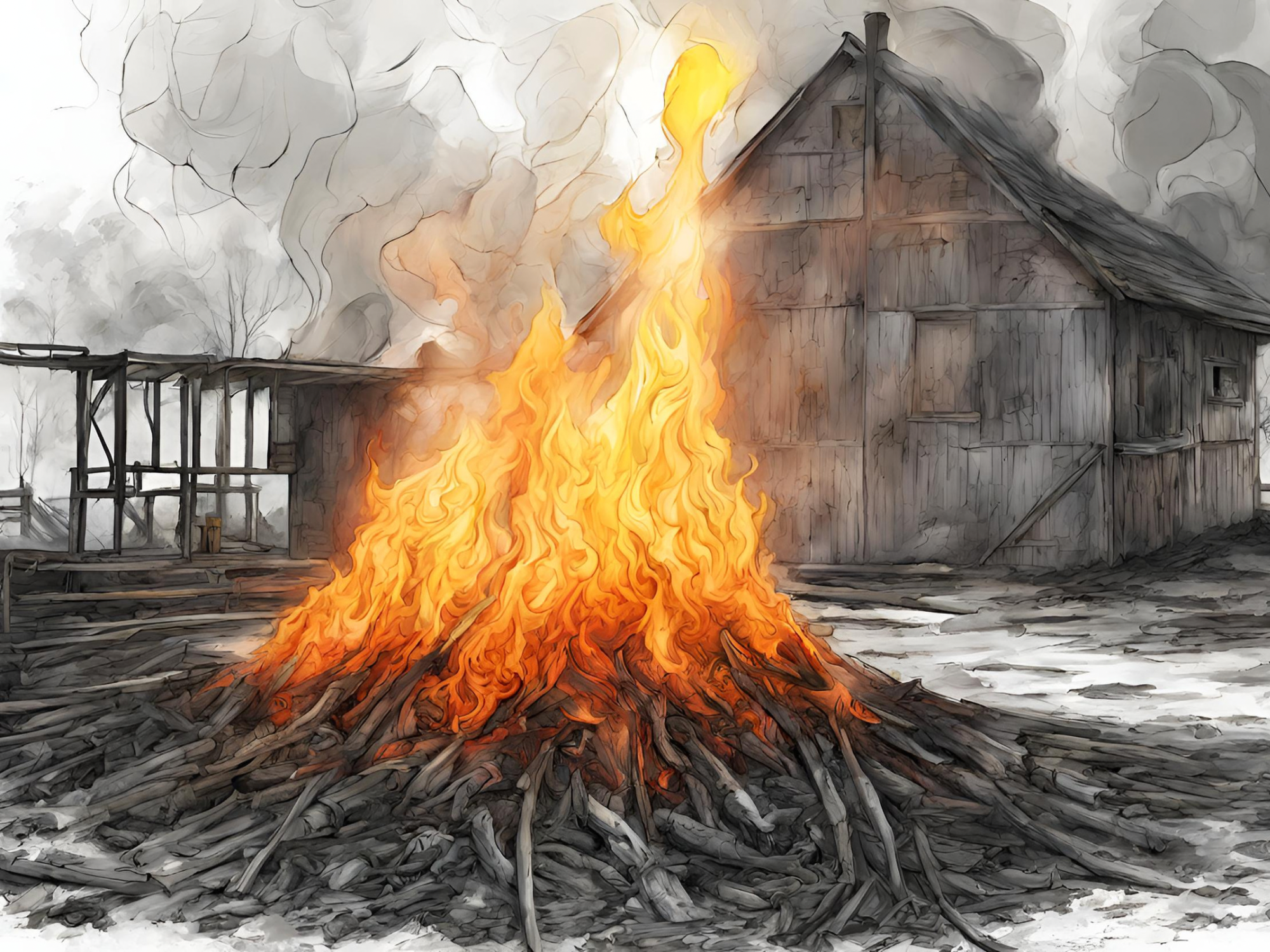

In a groundbreaking study, researchers have identified promising additives to enhance the combustion efficiency of torrefied biochar, a vital step in biomassBiomass is a complex biological organic or non-organic solid product derived from living or recently living organism and available naturally. Various types of wastes such as animal manure, waste paper, sludge and many industrial wastes are also treated as biomass because like natural biomass these More utilization. Potassium permanganate (KMnO4), barium nitrate (Ba(NO3)2), and enzymolysis lignin were explored for their potential to address the challenge of high ignition temperatures during the combustion of torrefied biomass.
The investigation revealed that the addition of these additives resulted in a notable decrease in the ignition temperatures of torrefied biochar. Combining KMnO4, Ba(NO3)2, and lignin showcased even more promising results, reducing the first weight loss peak temperature and accelerating the reaction rate. Furthermore, Ba(NO3)2 exhibited an extended burnout time, emphasizing its unique contribution to combustion dynamics.
The study’s findings also shed light on the combustion kinetics of torrefied biochar with different additives. The researchers employed a first-order reaction model to describe the combustion kinetics, demonstrating that the inclusion of inorganic salts and lignin additives significantly lowered the activation energy of low-temperature reaction stages.
Lignin, a versatile binder derived from bio-ethanol production, emerged as a potential solution to the hydrophobic nature of torrefied biochar. By transitioning from a glass state to a rubber state at specific temperatures, lignin acts as a binder among wood fibers, offering a sustainable alternative for biomass densification.
This research holds promise for overcoming challenges associated with the torrefaction process, paving the way for more efficient biomass utilization. The identified additives not only reduce energy consumption during densification but also contribute to lowering transportation costs and improving overall biomass resource utilization. As the scientific community continues to explore sustainable energy solutions, this study marks a significant step forward in maximizing the potential of biomass resources.



![Eucalyptus Wood Waste-Derived Biochar Achieves a Ninety-Eight Percent Removal Efficiency for Benzo[ghi]perylene in Vehicle-Wash Wastewater](https://biochartoday.com/wp-content/uploads/2026/10/SCIENCE-BLOGS-2026-2026-10-19T160523.703.jpg)

Leave a Reply