
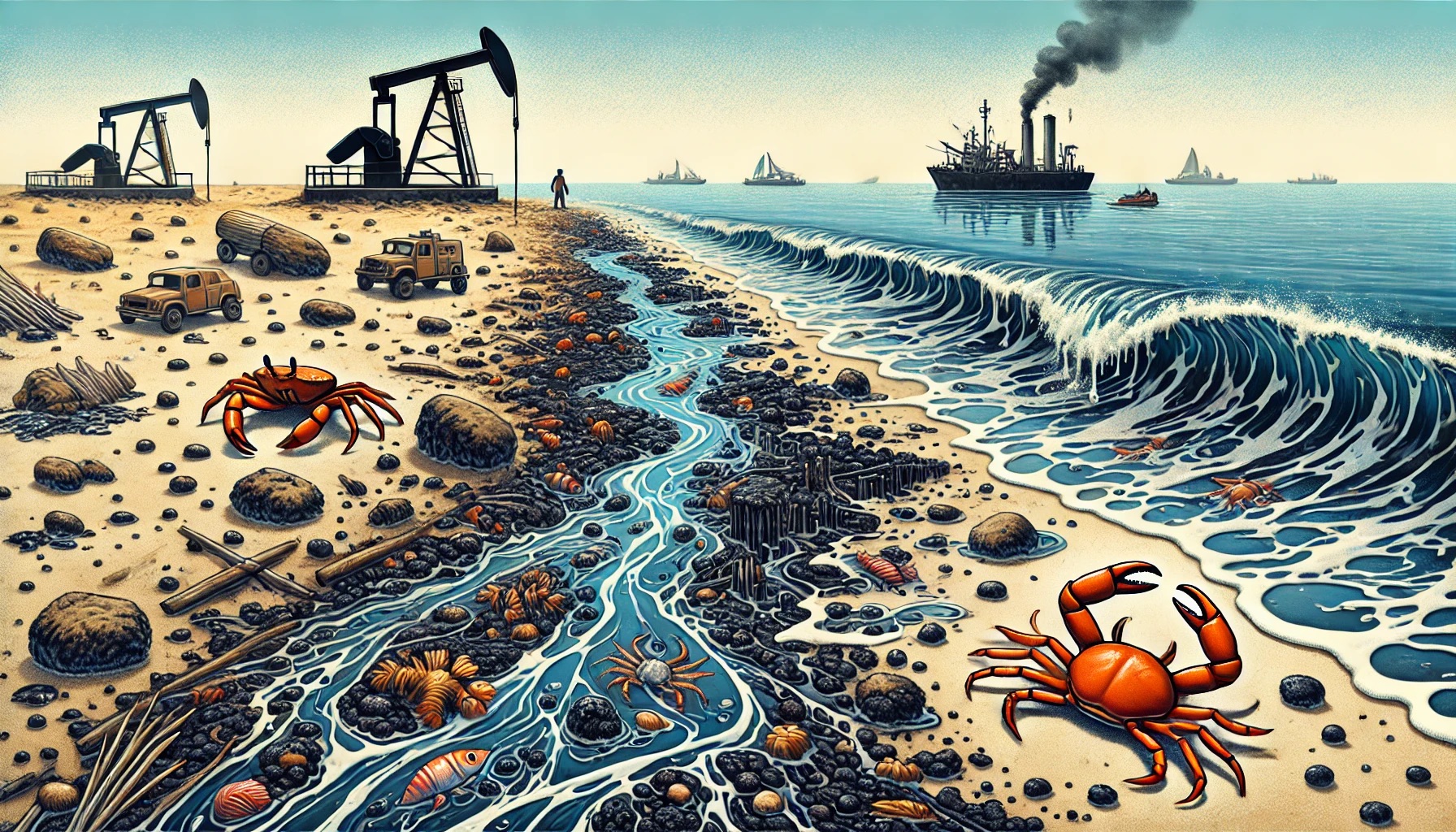

A recent study in the Journal of Hazardous Materials explored the long-term effects of biochar on petroleum hydrocarbon degradation in oil-contaminated marine sediments. Researchers, including Xiaojun Sun and colleagues, conducted simulation experiments using 2.5 wt% biochar derived from corn straw and wood chips. Their findings reveal how biochar can facilitate the breakdown of harmful petroleum hydrocarbons.
Biochar, known for its porous structure and nutrient content, significantly impacted the microbial community structure and enzyme activities in the sediments. The study showed that biochar-treated sediments exhibited enhanced degradation of long-chain alkanes and polycyclic aromatic hydrocarbons (PAHs) such as phenanthrene, fluorene, and chrysene. Notably, low-temperature corn straw biochar was particularly effective.
Initially, biochar reduced polyphenol oxidase activity while increasing urease and dehydrogenase activities. However, over time, there was a marked increase in polyphenol oxidase activity. This suggests a dynamic interaction where biochar releases nutrients that stimulate microbial activity, ultimately enhancing pollutant degradation.
The structural equations model (SEM) used in the study indicated that dissolved organic nitrogen (DON) drove the microbial metabolism of hydrocarbons by influencing enzyme activity. This research underscores biochar’s potential as a sustainable remediation strategy for oil-contaminated sediments, offering insights into its long-term benefits for marine environments.
These findings highlight biochar’s ability to not only adsorb pollutants but also promote a healthy microbial ecosystem capable of degrading persistent contaminants, making it a promising tool in the fight against marine pollution.





Leave a Reply