


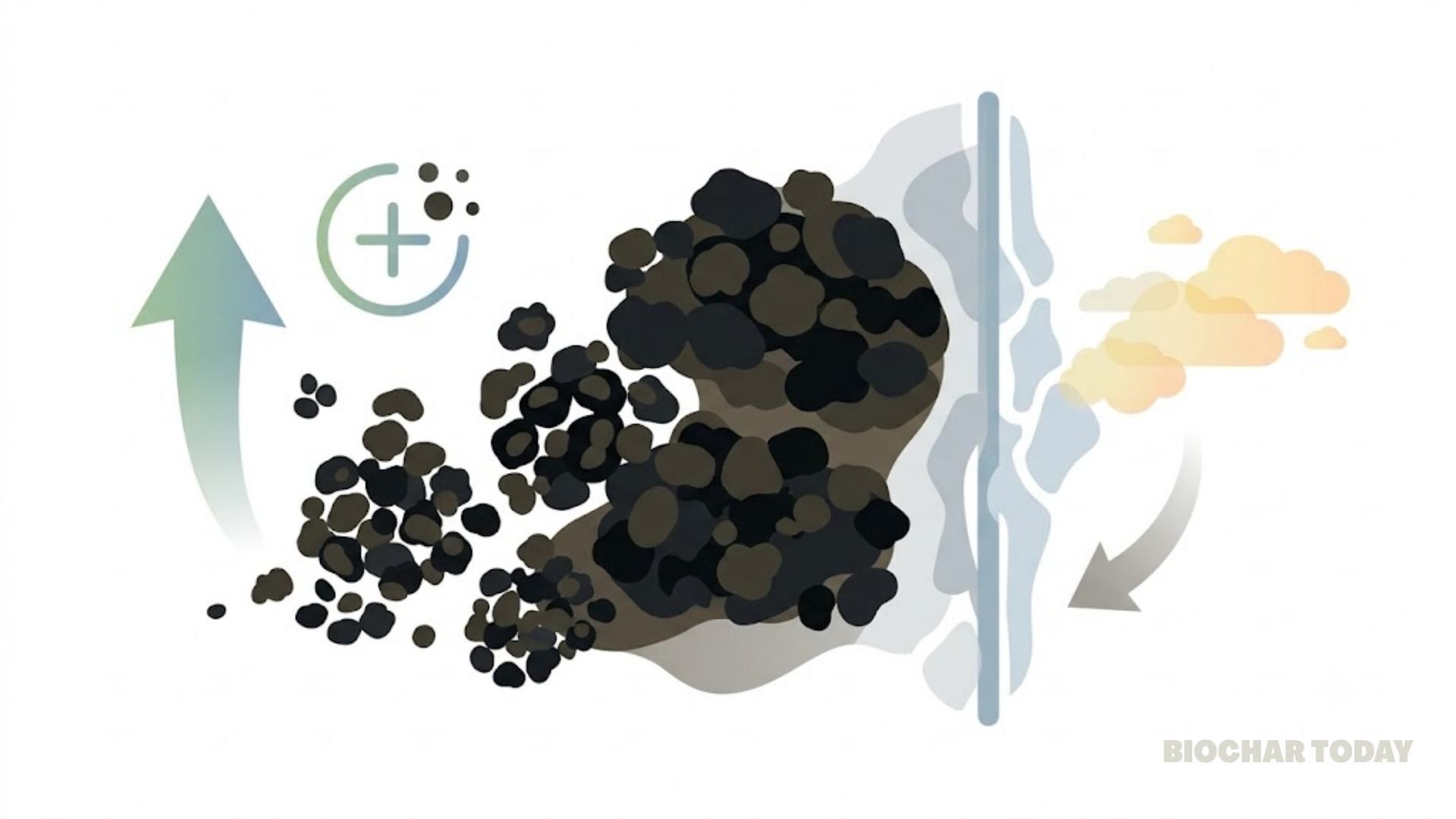
Microplastics (MPs), tiny plastic fragments polluting our environment, undergo aging, breaking down into even smaller pieces with potentially harmful consequences. This research explores the surprising role of biochar-derived dissolved organic matter (BDOM) in this process.
Key Findings
- BDOM, released from biocharBiochar is a carbon-rich material created from biomass decomposition in low-oxygen conditions. It has important applications in environmental remediation, soil improvement, agriculture, carbon sequestration, energy storage, and sustainable materials, promoting efficiency and reducing waste in various contexts while addressing climate change challenges. More used for water treatment, significantly accelerates the photoaging of polystyrene MPs under light.
- Low-temperature BDOM is the most effective aging booster, causing MPs to shrink and generate more oxygen-containing groups.
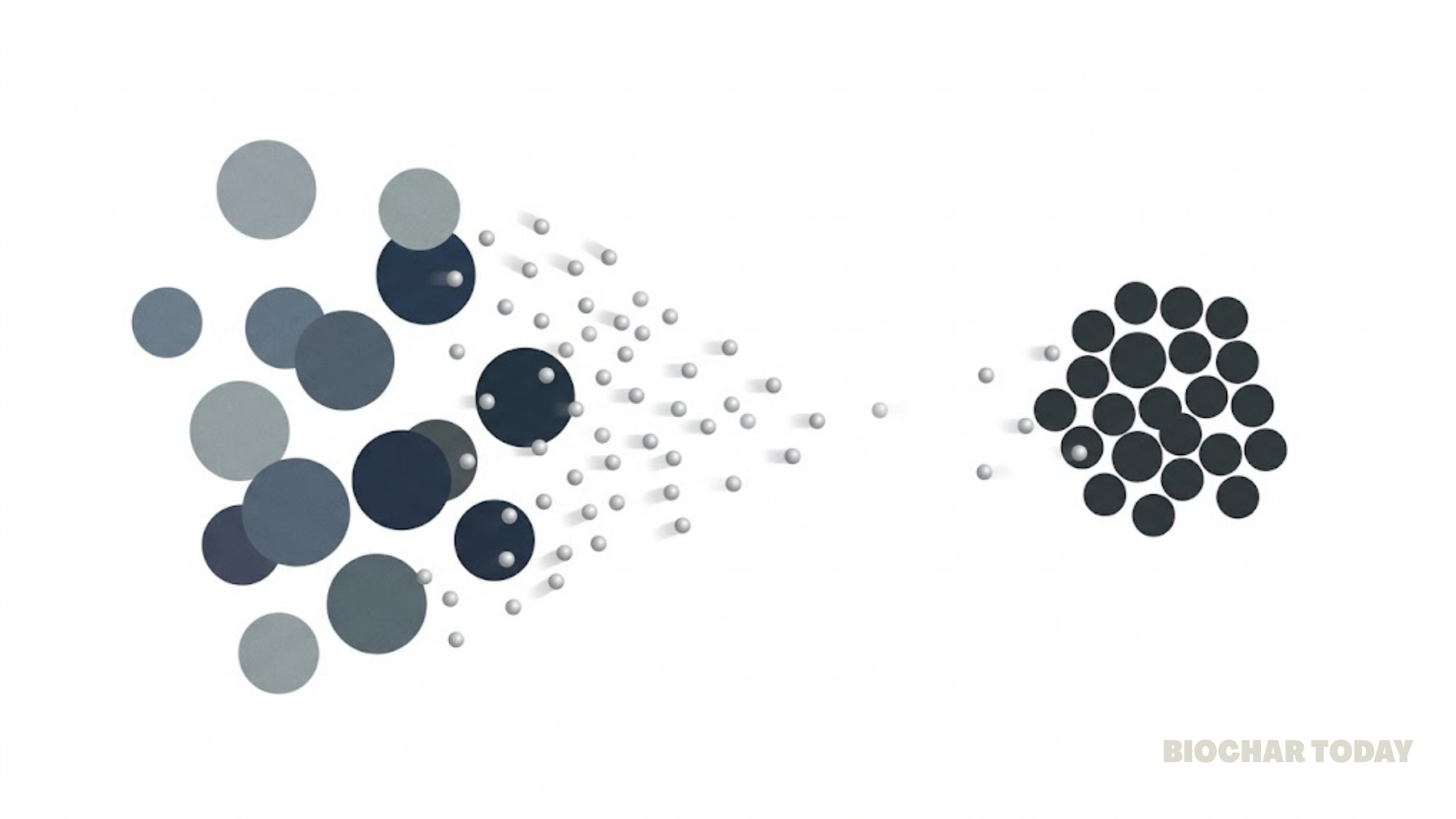
- The aging process involves a self-amplifying loop: (1) BDOM breaks down under light,generating harmful singlet oxygen (¹O₂). (2) ¹O₂ attacks the MPs, causing further breakdown and releasing more DOM, including MP-derived DOM. (3) This released DOM fuels further ¹O₂ production, accelerating the aging cycle.
Why it Matters
Understanding how BDOM interacts with MPs can help predict their environmental fate and potential risks. This knowledge can inform strategies for managing biochar use and microplastic pollution in water systems.
Looking Forward
Future research could investigate the impact of BDOM on other types of MPs and environmental factors. Developing methods to mitigate BDOM’s negative effects on MP aging could be crucial for protecting aquatic ecosystems.



Leave a Reply