
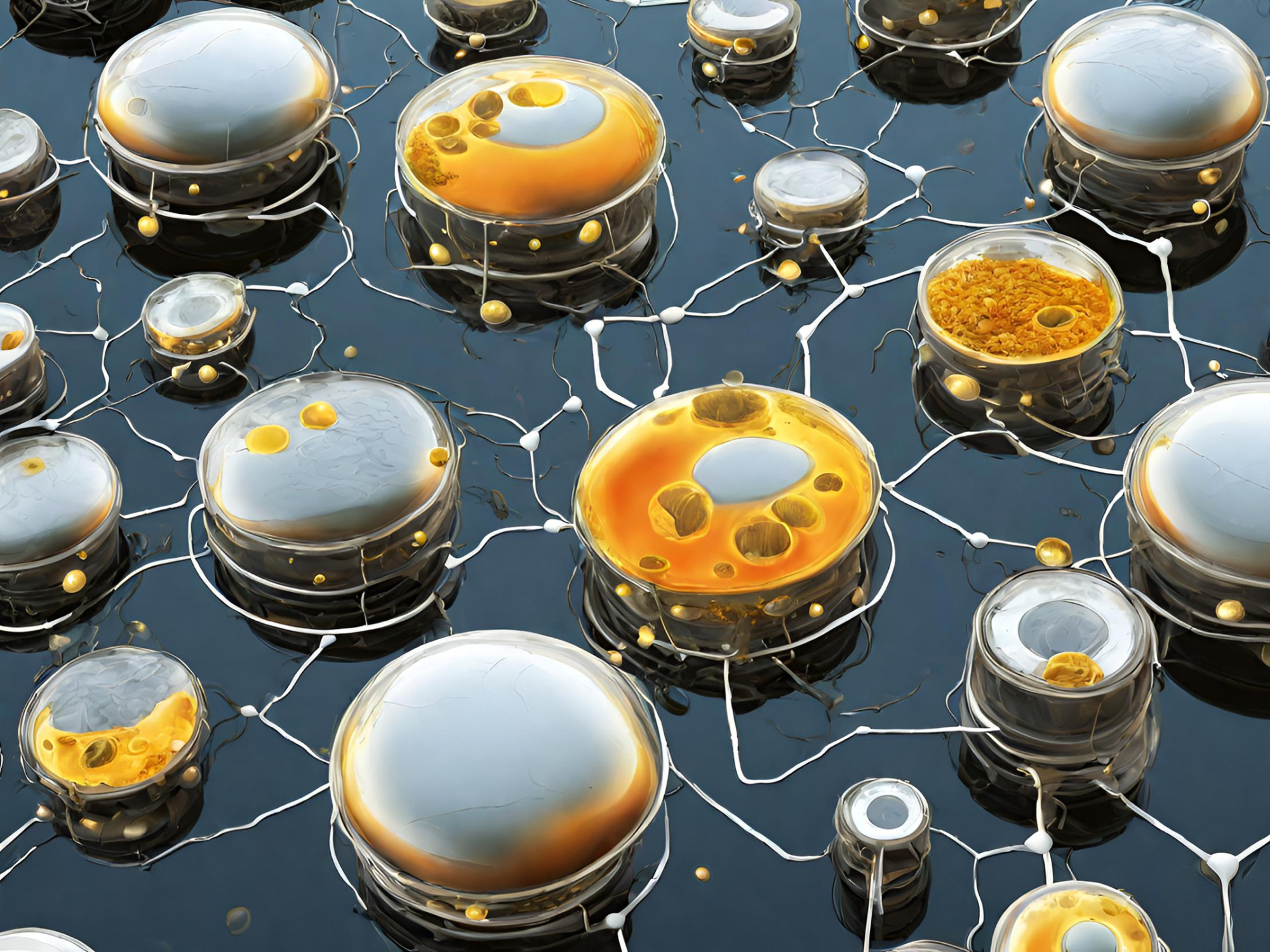

Microbial Fuel Cells (MFCs) are emerging as a promising contributor to the bio-economy, seamlessly blending electrochemical techniques and microbial processes for sustainable energy generation from organic materials. In this context, biochar, a carbon-rich material, has gained significant attention for its versatile applications, especially in addressing environmental remediation challenges within MFCs. The primary focus of this review is the effective and economically viable utilization of biochar for pollutant removal in MFCs.
Biochar’s substantial surface area and porous structure enhance its ability to adsorb and decompose a wide range of contaminants, including organic compounds, heavy metals, and nutrients. MFC systems utilizing biochar as an electrode material not only generate electricity from organic waste but also concurrently sequester carbon, aligning with circular economy principles.
The paper delves into the mechanisms through which MFCs degrade pollutants, highlighting cathode reduction, electrodynamics, adsorption, and anodic oxidation. It emphasizes the challenges faced by larger-scale MFC technologies due to expensive and non-renewable electrode materials, presenting biochar derived from biomassBiomass is a complex biological organic or non-organic solid product derived from living or recently living organism and available naturally. Various types of wastes such as animal manure, waste paper, sludge and many industrial wastes are also treated as biomass because like natural biomass these More as a promising alternative.
Various thermochemical processes for biochar production, including gasificationGasification is a high-temperature, thermochemical process that converts carbon-based materials into a gaseous fuel called syngas and solid by-products. It takes place in an oxygen-deficient environment at temperatures typically above 750°C. Unlike combustion, which fully burns material to produce heat and carbon dioxide (CO2), gasification More and pyrolysisPyrolysis is a thermochemical process that converts waste biomass into bio-char, bio-oil, and pyro-gas. It offers significant advantages in waste valorization, turning low-value materials into economically valuable resources. Its versatility allows for tailored products based on operational conditions, presenting itself as a cost-effective and efficient More, are explored, emphasizing biochar’s efficacy in wastewater treatment and its role in addressing contemporary challenges like soil degradation and pollution. The review distinguishes itself by comprehensively discussing the environmental benefits of biochar in MFCs, covering contaminant removal, CO2 reduction potentials, and current efficiency.
By addressing the gap between biochar understanding and MFCs, this interdisciplinary review serves as a foundational guide for future research, promoting a more environmentally conscious and sustainable future.




Leave a Reply