
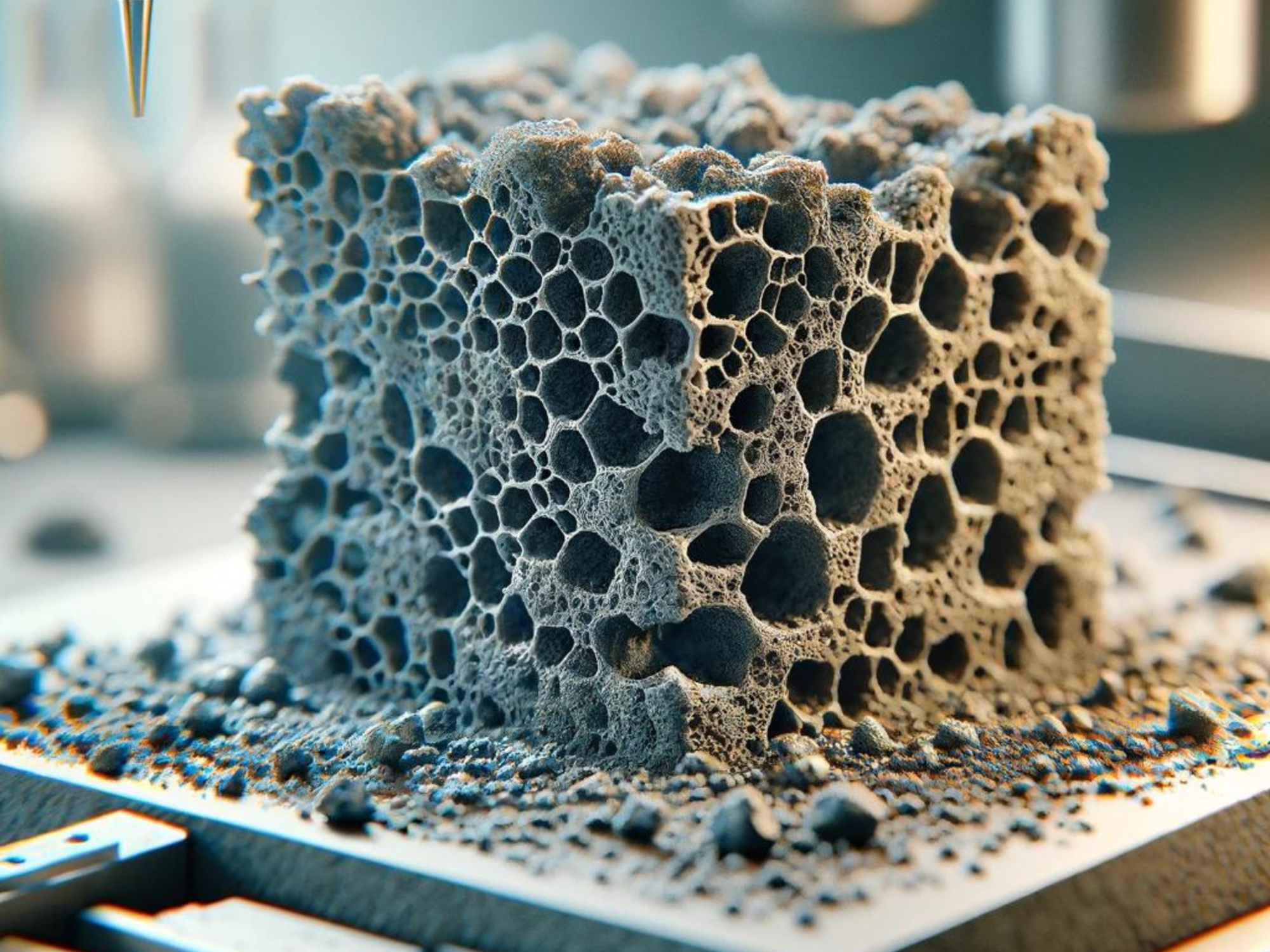

The construction industry stands as a significant contributor to global carbon emissions, with concrete production accounting for approximately 7% of these emissions. A recent study presents a promising strategy for mitigating these impacts by incorporating biochar, derived from waste biomassBiomass is a complex biological organic or non-organic solid product derived from living or recently living organism and available naturally. Various types of wastes such as animal manure, waste paper, sludge and many industrial wastes are also treated as biomass because like natural biomass these More, into construction materials. Biochar not only offers a sustainable method for carbon sequestration but also improves the mechanical properties and durability of construction materials.
However, the interaction between biochar and cementitious materials, especially concerning the durability of biochar, has been less explored. The study delved into how biochar’s structural, chemical, and mechanical properties change when integrated into a cementitious system and exposed to marine environments. Results indicated a potential structural collapse and decreased mechanical strength of biochar after prolonged exposure to alkaline cement solutions. This deterioration was attributed to increased pore size, decrease in aromaticity, and formation of organometallic complexes.
Interestingly, when biochar-cement composites were exposed to seawater, the biochar demonstrated an improved resilience, with an increase in Young’s modulus and hardness by about 40%. The long-term rebound ratio of these composites reached impressive levels of 96.6–99.2%, suggesting enhanced durability in marine conditions.
This investigation into biochar’s adaptability within cementitious materials under various environmental conditions offers new insights into its potential for enhancing the sustainability and performance of construction materials. As the construction industry continues to seek environmentally friendly alternatives, biochar-cement composites could play a crucial role in reducing carbon footprints and improving material longevity, particularly in marine environments.






Leave a Reply